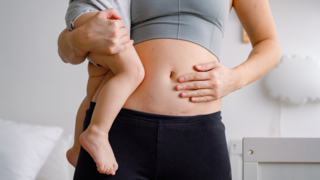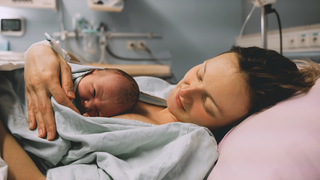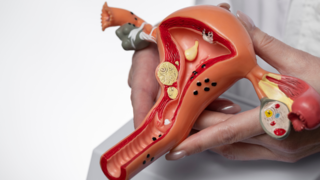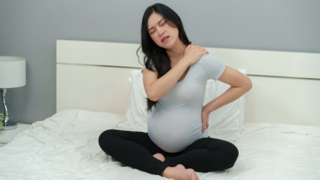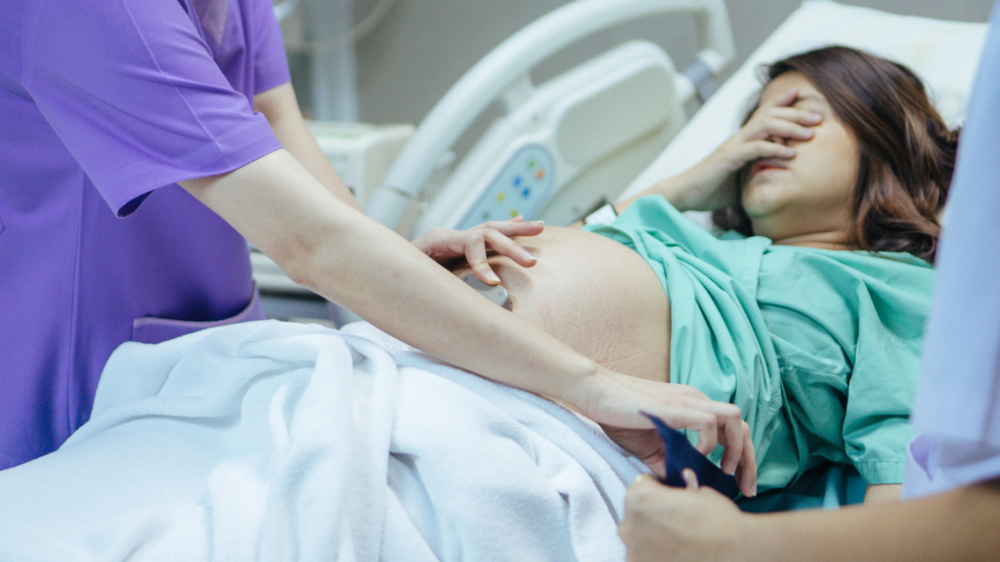
Bringing a baby into the world is one of the most amazing experiences. But once excitement fades, you start noticing the pain, and that's when your recovery journey actually begins. If you've had a caesarean delivery, you might feel pain in your muscles or abdomen. In contrast, after a normal delivery, the discomfort may be concentrated in your pelvic area and lower body.
So, why does pain feel so different between the two? Let's find out.
What You Might Encounter in a Normal Delivery & a C-section?
With normal delivery, your body pushes the baby out. The pain mainly comes from stretching of your vaginal muscles and tissues, and from uterine contractions.In this article:
Why Is There a Prolonged Pain in a C-section?
The pain of a caesarean section tends to last longer because your body has to heal in multiple layers, i.e., from skin to muscle to uterus. Here's what you might face:- The cut in your belly can damage small nerves in the muscle and skin, which can cause sharp or burning pain for a few weeks.
- Your abdominal muscles stretch and sometimes even separate a bit. That’s why your laugh, cough, or movement can cause pain.
- Your womb also has to recover from the surgery, which takes time.
What About Pain After a Normal Delivery?
If you had a normal delivery, your pain usually comes from perineal tears or stitches, if any, and uterine contractions, as your womb gets back to its normal size. You might also encounter discomfort while urinating or sitting for the first few days.For most women, the pain gets remarkably better within 1 or 2 weeks. The pain can feel different for everyone. The size of the baby, how long labour lasts, and whether a vacuum or forceps is used can change the intensity of the pain.
What Does Each Type of Pain Feel Like?
| Delivery Methods | Areas of Pain | Sensation Type | Duration |
| C-Section | Lower abdomen and near the stitches | Severe pain, burning, pulling or stinging | 6 to 8 weeks |
| Vaginal Delivery | Lower back, perineum, pelvic region | Throbbing, soreness, or stinging if you’ve stitches | 1 to 3 weeks |
Why Does Movement Hurt More After a C-section?
Your abdominal muscles stretch when you stand, laugh, or even lift your baby. Since those muscles were cut during surgery, movement can be painful. It's also normal to feel pulling or tightness around the incision area for several weeks.Meanwhile, in a normal childbirth, movement pain usually comes from soreness in the pelvic region, not from deep-tissue recovery. That’s why you might feel more comfortable walking after a vaginal delivery than after a C-section.
Emotional Factors
Pain isn’t just a physical thing; it’s also emotional. Post-delivery hormonal fluctuations can heighten your pain sensitivity. The emotional burden of sleepless nights, healing, and the new duties can intensify the pain.If, after prolonged labour, you had an emergency C-section, you may also feel emotionally exhausted. This emotional exhaustion can make healing difficult. Take care of yourself. Your body did something incredible.
When Does the Pain Become Alarming?
While some pain is normal, consult your medic if you notice:- Pain that makes it difficult to move or take care of your baby.
- You're having a fever or chills.
- Instead of improvement, your pain increases after the first week.
- Redness, swelling, or pus around the vaginal stitches or incision.
- Foul-smelling discharge or heavy bleeding.
What Are the Postpartum Care Steps?
- See your doctor again in 6 weeks, or sooner if needed.
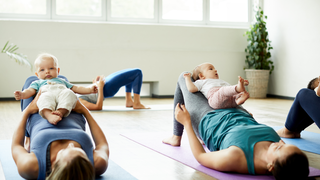
- Ask for help with baby care when you need it, and make sure you get enough rest.
- Keep an eye on pain and write down if anything changes.
- Talk to your family or partner about how you’re feeling.
Mental & Social Factors
It's easy to focus on physical recovery, but your mental health should get a similar priority. It’s normal to feel worn out, sad, or tired after having a baby. Joining a new-mother support group or discussing with your partner can make you feel supported.Keep in mind that there’s no right or wrong way to give birth, whether it was normal or a C-section. Both have tough parts and good parts.
The reason behind different kinds of pain after a caesarean section and a vaginal birth is due to your physical recovery process, and which tissues are affected. Understanding these differences helps you take care of yourself with patience and confidence, because every recovery process is unique.
Whether you’re pregnant, a new mom, or navigating postpartum, you don’t have to do it alone. Join our support group to connect, share, and support one another.
FAQs on Why Pain Feels Different After a C-Section Compared to Normal Delivery
- How long does C-section pain commonly last?
The pain associated with C-section is usually worst in the first week, but improves with time during the next two months. A little numbness or tenderness around the scar may persist. - Is post-delivery C-section pain normal?
It is normal to feel gentle sensitivity around the scar. If the pain worsens or the area becomes swollen, consult a physician to assess whether there’s an infection or a hernia. - Which delivery is easier to recover from?
Generally, after a vaginal delivery, recovery is quick because there's no surgical wound. However, each body heals differently, and many women recover smoothly after a caesarean section with proper care and rest.