In this article:
Bloating before periods, constipation during pregnancy, or altered bowel habits while breastfeeding often cause confusion and concern.
Patients frequently ask, “Why does my gut feel different at each stage of my life, even when my diet stays the same?”
These changes are not random. Hormonal shifts during menstrual cycles, pregnancy, and lactation directly influence gut movement, sensitivity, and comfort. For individuals with irritable bowel syndrome (IBS), these effects can feel more intense and disruptive.
Let’s discuss how menstrual cycles, pregnancy, and lactation affect gut health.
What are IBS and Gut Sensitivity?
Irritable Bowel Syndrome (IBS) is a common digestive disorder that affects how the gut functions rather than its structure. It causes symptoms such as abdominal pain, bloating, constipation, diarrhoea, and excessive gas. In people with IBS, the nerves in the gut become more sensitive to regular digestive activity, so the bowel reacts strongly even to routine stimuli. Such increased sensitivity often makes everyday eating uncomfortable and can affect daily life, work, and well-being.
IBS Symptoms in Women
In India, IBS affects a significant number of people, and many studies show that women experience symptoms more frequently and intensely than men, especially during reproductive years. Community surveys report IBS prevalence between about 4% and 7.6% across different regions, with further research noting that women are more likely to report symptoms such as abdominal discomfort and bowel irregularities. Hormonal fluctuations, whether during the menstrual cycle, pregnancy, or breastfeeding, directly influence gut sensitivity and pain perception.
How Reproductive Stages Affect IBS Symptoms
Hormonal changes throughout a woman’s reproductive life can significantly influence gut function and comfort. Menstrual cycles, pregnancy, and lactation each bring unique shifts that can alter bowel habits, sensitivity, and IBS symptoms. Here’s why digestive issues often follow hormonal changes.
Menstrual Cycle and IBS
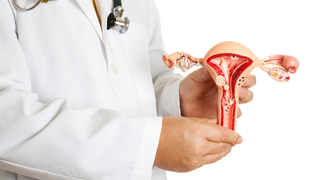
Fluctuations in oestrogen and progesterone alter gut motility and sensitivity. Prostaglandins released during menstruation stimulate both uterine contractions and bowel activity, which can cause cramping, diarrhoea, or bloating. Research shows women with IBS often report symptom worsening during the premenstrual and menstrual phases due to this increased gut sensitivity.
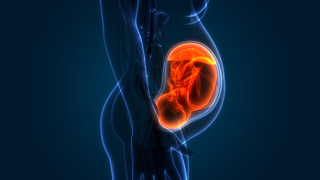
Pregnancy and IBS Symptoms
Lactation and Gut Health
How to Manage IBS Symptoms Across Life Stages
Hormonal changes throughout a woman’s reproductive life can influence gut function and comfort. Here’s how to manage digestion, reduce IBS symptoms, and improve overall well-being.Track Symptoms
Actively recording bowel habits, abdominal discomfort, and bloating throughout your menstrual cycle, pregnancy, or breastfeeding period helps identify patterns unique to your body. The tracking allows gynaecologists to offer personalised advice and support for early intervention if symptoms intensify.
Adopt a Balanced Diet
Consuming a diet rich in whole grains, lentils, fruits, and vegetables supports regular bowel movements and gut health. Soluble fibre helps manage diarrhoea, while insoluble fibre eases constipation. Incorporating traditional Indian foods such as moong dal, ragi, oats, and seasonal fruits can maintain a healthy digestive system while aligning with cultural eating habits.
Stay Hydrated
Include Gentle Physical Activity
Light exercises like walking, yoga, or stretching stimulate bowel movement and reduce bloating. For Indian women, simple daily routines such as morning walks, yoga asanas, or pranayama can improve gut motility and relieve stress, particularly during pregnancy or postpartum recovery.
Prioritise Sleep
Stress and sleep disruption directly influence gut–brain communication, often worsening IBS symptoms. Practising mindfulness, meditation, deep-breathing exercises, or even short relaxation breaks during busy Indian household routines can regulate hormone levels and reduce digestive discomfort. Quality sleep and stress management complement dietary and lifestyle strategies for optimal gut health.
Note: Always consult a qualified gynaecologist before making any changes to your diet or lifestyle, or before managing digestive or reproductive health issues.
What to Do Next?
- Track gut symptoms alongside menstrual cycles or life changes
- Stay hydrated and maintain regular meals
- Prioritise gentle movement and adequate rest
- Discuss persistent or severe symptoms with a doctor
- Avoid self-diagnosing new or worsening digestive symptoms
Hormones play a decisive role in shaping gut health across reproductive life stages. Menstrual cycles, pregnancy, and lactation all bring hormonal shifts that can influence digestion, bowel movement, and gut sensitivity. For women with IBS, these changes can feel especially noticeable. Following the right tips can help women navigate digestive changes throughout their reproductive journey.
You’re not alone in your journey when trying to conceive. Join our supportive community to connect with others, share experiences, and find encouragement every step of the way.
FAQs on Why IBS Symptoms Fluctuate Across Menstrual and Reproductive Stages
- Can pregnancy improve IBS symptoms?
Yes, some women experience improvement, while others notice worsening symptoms. Responses vary. - Is constipation common during breastfeeding?
Yes, hormonal changes, dehydration, and disrupted routines can contribute to constipation. - Can stress affect gut symptoms during these stages?
Yes. Stress strongly influences gut-brain communication and can worsen IBS symptoms.