In this article:
Babies Don’t Breathe Air in the Womb — But They Do Practise
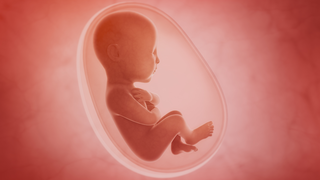
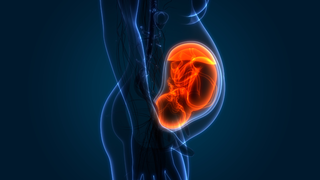
Your baby’s lungs are filled with fluid inside the womb, not air. They receive oxygen from your bloodstream through the placenta, so actual breathing is not necessary.However, breathing is a complex skill that involves the diaphragm, chest muscles, lungs, and the brain. Your baby starts practising this skill long before birth without air. These practice movements are known as foetal breathing movements.
When Do These Breathing Movements Start?
Babies begin tiny and irregular breathing movements as early as 10–12 weeks. However, they become more noticeable after 24–28 weeks when the brain and lungs grow rapidly.You will notice the following aspects of movements by the third trimester:
- More frequent
- More coordinated
- More rhythmic
What Causes the Breathing Movements to Look Stronger?
Several reasons make your baby’s breathing movements appear more prominent during a scan.1. Healthy Brain Development
Strong breathing movements reflect healthy development of the brain’s breathing control centre. The brain is practising coordination between muscles and lungs.2. Your Baby Is Awake
Babies have sleep and wake cycles inside the womb. They move more during active periods, including stronger breathing movements.3. Amniotic Fluid Pressure
As the lungs are filled with fluid, pushing it in and out can appear as strong chest movement on a scan.4. Response to Sugar or Meals
Your baby may become more active if you eat something sweet before the scan. It can increase breathing movements temporarily.5. Response to Sounds or Touch
Loud noises, talking, or external touch can stimulate the baby, which leads to more active breathing patterns.6. Practising for Birth
Your baby prepares for that first big breath as your due date approaches. Stronger movements show your baby’s muscles are getting ready.These movements show that your baby is practising the breathing skills needed right after birth.
What Exactly Happens During These Movements?
The following action happens during foetal breathing movements:- The diaphragm pulls down
- The chest rises and falls
- The abdomen moves up and down
- The lungs push fluid in and out
- To strengthen the respiratory muscles
- To help shape the lungs
- To support the growth of air sacs (alveoli)
- To prepare the baby for rapid lung inflation after birth
Are Strong Breathing Movements a Good Sign?
Strong breathing movements are common and, in most cases, indicate the following:- Healthy lung development
- Good brain function
- Positive response to stimuli
- Normal activity patterns
Having said that, a lack of breathing movements during a scan doesn’t always mean something is wrong. Babies do not practise breathing for several minutes when they are in their resting phase.
Why Do These Movements Come and Go?
Babies practise breathing in cycles.- 20–30 minutes of regular breathing movements
- Followed by a quiet period
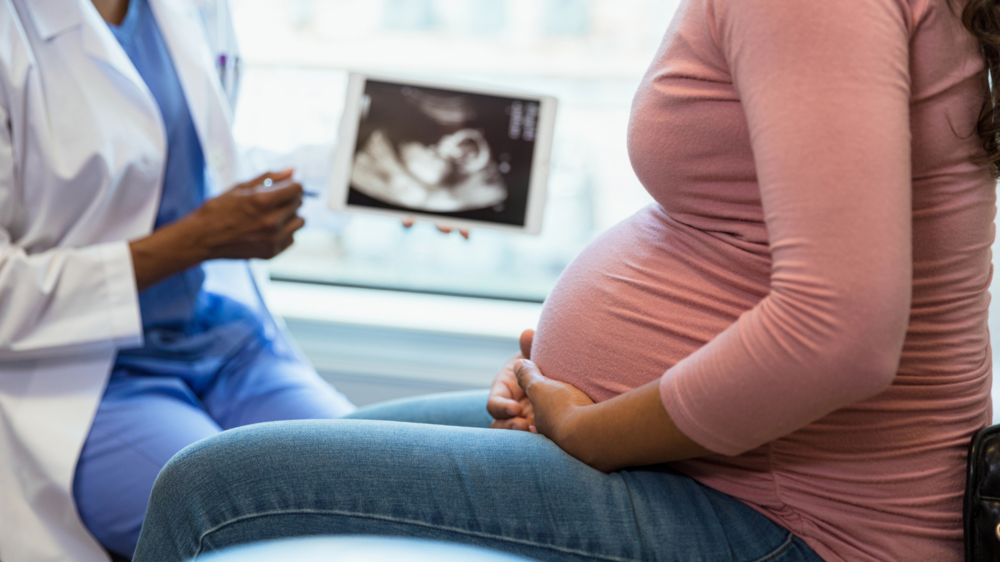
Scans show whatever phase your baby is in at that moment.
Do These Movements Mean the Baby Is in Distress?
Strong foetal breathing movements are a sign of good health in most cases.However, if a doctor notices unusual patterns, such as very rapid movements or a complete absence during a long scan, they may check more closely. It is a routine scan and does not necessarily indicate a problem.
But when seen alone, strong breathing movements are considered normal.
What Happens to These Movements Before Birth?
Your baby prepares for birth in the days leading up to the due date.- Breathing movements may increase
- They may become more rhythmic
- The baby may practise swallowing more fluid
- The lungs may absorb fluid in preparation for air breathing
This transition happens due to hormones released from the baby’s body during late pregnancy.
What Happens After Birth?
The following changes are common after birth:- The lungs stop producing fluid
- The first breath inflates the lungs
- Remaining fluid is absorbed
- The baby’s brain switches fully to “air-breathing mode”
Those strong breathing movements you saw on scans? They helped your baby get ready to breathe for the very first time.
Seeing strong breathing movements on a scan can be confusing, but it is completely normal. Your baby is not breathing air while practising. These movements help the lungs, diaphragm, and brain develop the coordination needed for real breathing at birth. You will now know that your baby is getting stronger and preparing for the outside world, and be better prepared for when you see those rhythmic chest movements on the screen the next time.
Whether you’re pregnant, a new mom, or navigating postpartum, you don’t have to do it alone. Join our support group to connect, share, and support one another.
FAQs on Why Babies Sometimes Have Strong “Breathing Movements” on Scans?
- Why do breathing movements sometimes look fast or strong on the scan?
These patterns can change based on your baby’s sleep–wake cycles. When babies are active, their practice breathing can appear stronger or quicker, which is completely normal. - What if I don’t see breathing movements on my scan?
Babies have rest periods, so a short period of inactivity and lack of movement is generally normal. The doctor may wait, rescan, or check again later. - Can what I eat or drink influence my baby’s breathing movements?
Sometimes. A rise in your blood sugar after a snack may make your baby more active, which can include more visible breathing movements during the scan.