In this article:
The process is fast, which can result in cramping, discomfort and bleeding. But it is vital to protect your health after delivery.
What Happens to the Uterus Immediately After Birth?
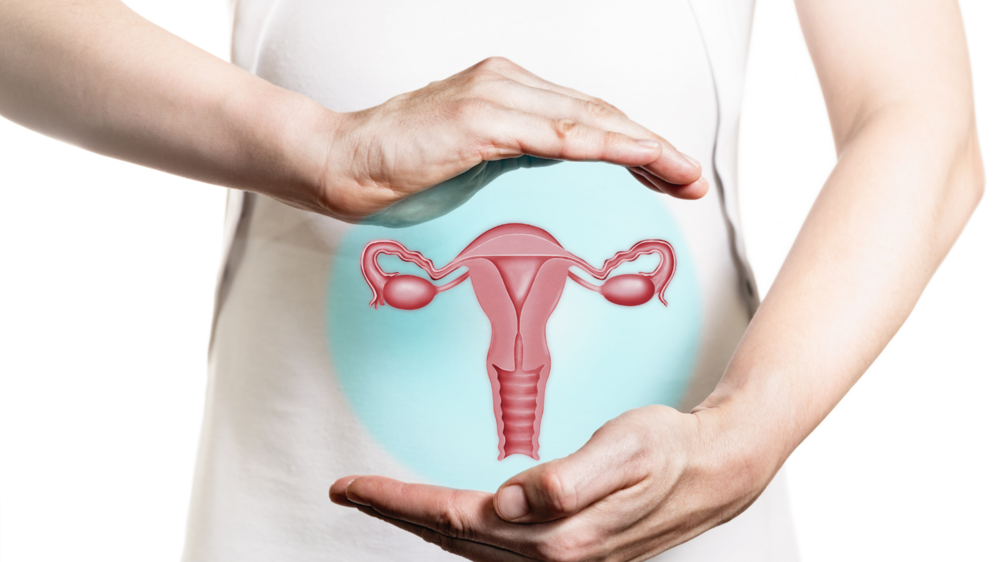
Your uterus weighs around 1,000 grams at the time of delivery, and it sits close to your rib cage. But that changes within just 24 hours, as it begins to contract strongly. It reduces to about 500 grams by the end of the first week. It continues to shrink until it weighs about 60–80 grams.It is also called uterine involution, which may start immediately after the delivery of the placenta.
Why Does the Uterus Shrink So Quickly After Delivery?
Rapid uterine shrinking is essential for your recovery and many other important purposes.- Preventing Excessive Bleeding
- Clearing Pregnancy Tissue
- Restoring Normal Anatomy
What Triggers Uterine Shrinking in the Early Days?
Your body relies on hormones and muscle activity to drive this process.- Hormonal Influence
- Muscle Memory of the Uterus
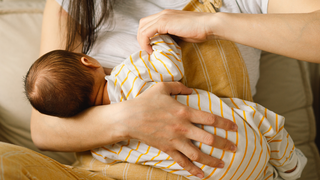
- Effect of Breastfeeding
What Sensations Might You Feel as the Uterus Shrinks?
You may experience afterpains, which feel similar to menstrual cramps. These sensations are more common if you have had more than one baby because the muscles of your uterus have stretched multiple times.You may also feel pelvic heaviness, lower abdominal discomfort, and cramping during breastfeeding. They peak within 48–72 hours and then decline gradually.
Is Rapid Uterine Shrinking the Same for Everyone?
No, the pace can vary depending on several factors. If you are exclusively breastfeeding, you may experience stronger contractions. The afterpains will also be more intense if you had a multiple pregnancy or a larger baby.Vaginal delivery and cesarean birth both involve involution, but the recovery sensations may differ.
Infection or retained placental tissue can slow the process, which is why follow-up care is important.
How Can You Support Healthy Uterine Recovery?
There are simple ways to help your body recover comfortably.- Rest and Gentle Movement
- Breastfeed if Possible
- Stay Hydrated
- Pain Relief When Needed
When Should You Contact a Doctor
Although cramping is normal after delivery due to the shrinking of the uterus, you cannot ignore some signs, as they need immediate care.If you notice heavy bleeding that soaks a pad within an hour, severe abdominal pain that does not improve, foul-smelling discharge, fever above 38°C, or dizziness, you should get your doctor’s opinion.
These are common with infection or delayed uterine involution.
Emotional and Social Impact During Early Recovery
The postpartum period feels heavy emotionally. Caring for the baby can feel overwhelming when you are also in pain. Take support from your partner or family to find a moment of rest.Sharing household tasks, offering emotional reassurance, and acknowledging your recovery needs can reduce your burden and support healing. Emotional well-being is closely linked to physical recovery during this time.
What Should You Do Next? A Simple Checklist
Monitor bleeding and pain levels daily. Get routine check-ups for faster recovery. Rest whenever possible. Stay hydrated and eat balanced meals. Breastfeed as often as you can unless advised otherwise. Ask for help without hesitation. Call your doctor if your symptoms feel concerning.Rapid uterine shrinking is a natural process in the first few days after delivery. It is necessary to support healing and prevent complications. Although it may cause discomfort, it is a sign that your body is recovering as it should. You can manage your symptoms well if you know what is happening in your body. You can also seek support and bond with your baby during this important phase.
Whether you’re pregnant, a new mom, or navigating postpartum, you don’t have to do it alone. Join our support group to connect, share, and support one another.
FAQs on How the Uterus Shrinks Rapidly in the First Few Days After Delivery?
- Can uterine shrinking be delayed?
Yes, infection, retained tissue, or lack of uterine tone can slow involution and require medical care. - Does cesarean delivery affect uterine shrinking?
The uterus contracts after a cesarean delivery as well, but pain perception and recovery experience may differ. - How long does it take for the uterus to return to normal fully?
Complete involution takes about six weeks, but significant shrinking occurs within the first few days.