In this article:
It is a critical week when every cell division is vital for healthy development. Let’s discuss the complete cell division process in week 3.
Why is Week 3 Important?
Week 3 is one of the most critical periods in early pregnancy because the embryo undergoes rapid growth. The cell divisions and differentiation occurring now lay the foundation for all organs and tissues. Any disruption in these early processes can affect how the body develops later, which is why this week is so crucial.During this week, the embryo establishes its basic body plan through the formation of the primitive streak and the three germ layers. These early structures guide how cells specialise and where organs will form. Even though the embryo is still tiny and invisible to the eye, the changes taking place now determine the blueprint for your baby’s development.
What Happens to the Embryo’s Growth in Week 3?
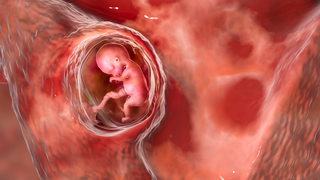
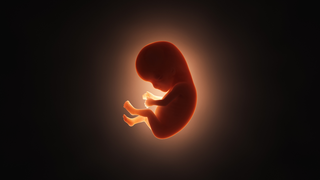
During week 3, your baby’s cells divide rapidly and start organising themselves. At this stage, the embryo is still tiny, smaller than a grain of sand, but hundreds of cells multiply every day. These early divisions form the three layers that will become your baby’s organs and tissues: the ectoderm (nervous system and skin), mesoderm (muscles, bones, heart), and endoderm (digestive and respiratory systems). Each layer needs to form correctly to support healthy development, making these early divisions crucial. The embryo also grows astonishingly fast in terms of cell number. Each cell can divide roughly every 12–24 hours, doubling the total number each time. Around the middle of week 3, a structure called the primitive streak appears, guiding the embryo’s basic body layout. Some cells begin to specialise, taking on roles that will later become the functions of specific organs and tissues. Though this growth happens quietly inside your womb, it sets the stage for all future development. Supporting your health with good nutrition, rest, and avoiding harmful substances creates the best environment for your baby’s rapid and delicate growth.
How Can Patients Support Healthy Cell Division?
During early pregnancy, the embryo grows and divides rapidly. You can play an active role in supporting this process by creating a healthy environment inside your body. Here’s how you can make a significant impact on cell division and early development.- Balanced Nutrition
- Prenatal Supplements
- Avoid Harmful Substances
- Manage Stress
- Follow Medical Advice
Note: Consult your healthcare provider or a qualified medical professional before making any changes to your diet, supplements, lifestyle, or prenatal care.
What to Do Next?
- Track menstrual cycles and ovulation to understand timing
- Take prenatal vitamins as recommended
- Eat a nutrient-rich, balanced diet
- Avoid alcohol, smoking, and unnecessary medications
- Stay hydrated and prioritise sleep
- Speak openly with your gynaecologist about any concerns
Week 3 of pregnancy is a period of astonishing growth. From a few cells to hundreds, the embryo divides, differentiates, and lays the foundation for a healthy body. Doctors monitor this stage closely to ensure proper development, while patients can support their baby’s growth through nutrition, supplementation, and healthy lifestyle choices.
Whether you’re pregnant, a new mom, or navigating postpartum, you don’t have to do it alone. Join our support group to connect, share, and support one another.
FAQs on How Does the Embryo Develop During the Third Week of Pregnancy
- How fast does the embryo grow in week 3?
The embryo divides every 12–24 hours, increasing in cell number exponentially. - Can nutrition affect cell division?
Yes, folic acid, proteins, and other nutrients support DNA synthesis and proper cell differentiation. However, medical supervision is recommended. - Is week 3 the same for natural conception and IVF embryos?
The process is similar, but IVF allows doctors to observe and select the healthiest embryos.