In this article:
What Happens to Your Blood Volume During Pregnancy?
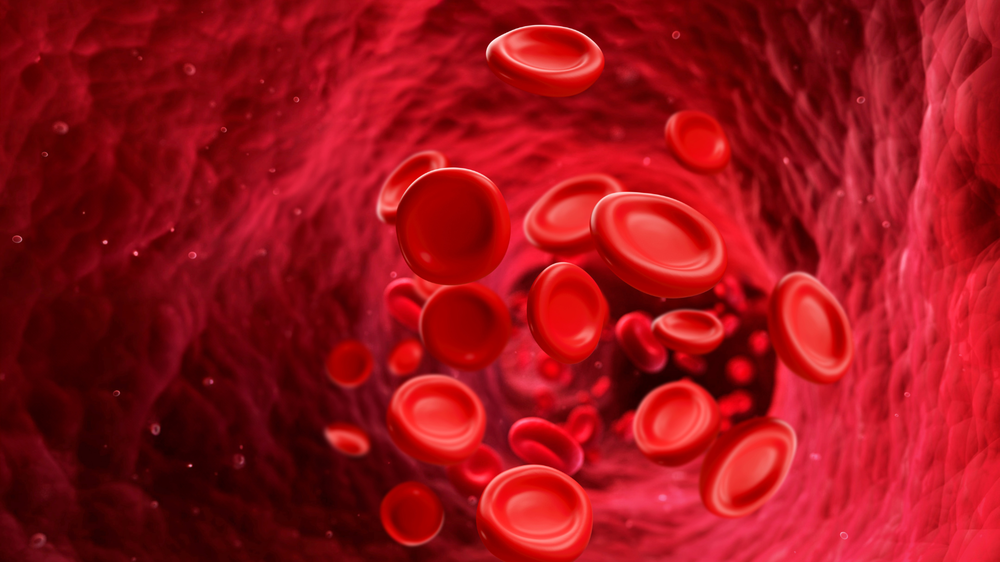
Your body produces more blood to meet the growing demands of your baby, which is essential for the following purposes:
- To provide vital nutrients and oxygen to your baby through the placenta
- To help your baby develop their major organs
- To prepare your body for any blood loss that may happen during delivery
How Does Oestrogen Help Your Circulatory System Adapt?
Oestrogen helps your blood vessels, heart, and other organs work together to handle the increased blood flow. This is the reason for it to be known as a “pregnancy-support hormone”.
- It relaxes and makes your blood vessels wide to improve blood flow to your uterus, kidneys, and skin. This act helps prevent high blood pressure and ensures your baby receives sufficient oxygen.
- It allows tiny blood vessels (capillaries) to form, which aid in carrying blood throughout the body.
- It influences how your body holds and uses fluids, which helps prevent swelling or strain due to the extra blood volume.
- Your heart works about 30-50% harder during pregnancy. Oestrogen supports the heart muscle’s strength and flexibility so that it can pump more blood easily.
Why Is Increasing Blood Volume Important in Pregnancy?
Several reasons make it crucial for your body to increase blood volume during pregnancy to help you and your baby.
- Higher blood volume provides enough oxygen and nutrients for your baby to grow
- It protects you from complications like dizziness or fainting
- It helps your body maintain stable blood pressure levels
- It prepares your system for childbirth, in which some blood loss is inevitable
What Can Go Wrong If Oestrogen Levels Are Low?
Your body may not cope with the changes that occur without oestrogen during pregnancy. It may lead to the following symptoms:
- Poor blood circulation
- Excessive fatigue
- Low blood pressure or dizziness
- Dry skin and headaches
- Difficulty in maintaining uterine growth and placental health
How Can You Support Healthy Oestrogen Levels Naturally?
You can help your body maintain its function through simple life adjustments.
- Eat leafy greens, nuts, and seeds to support hormone function
- Gentle exercises, such as walking and prenatal yoga, can help improve blood circulation
- Get quality sleep to maintain your hormonal balance
- Water helps maintain proper blood flow, so drink it as much as possible throughout the day
- High stress can negatively impact hormone production, so consider practising breathing exercises or meditation
What Are the Warning Signs of Hormonal Imbalance During Pregnancy?
- Sudden mood swings or irritability
- Fatigue despite rest
- Unusual swelling or headaches
- Dizziness or rapid heartbeat
- Unexplained vision changes
When Should You Consult a Doctor?
Some symptoms can indicate a significant issue that warrants discussion with your doctor.
- Severe dizziness
- Swelling accompanied by high blood pressure
- Sharp chest pain or shortness of breath
- Fainting spells or blurred vision
What Can You Do Next? A Simple Checklist
The following guide can help you take care of your health during pregnancy:
- Go to all your prenatal appointments
- Track your blood pressure and heart rate
- Eat a balanced diet rich in iron and protein to support your health
- Drink fluids, but limit your caffeine intake
- Rest when your body tells you to
- Discuss any unusual symptoms with your doctor at the earliest
Emotional and Social Support Matters Too
The changes can feel overwhelming, and adjusting to them can be emotionally challenging for you. Try to talk about these feelings whenever you feel ready, perhaps with a friend or family member. You can also talk with your partner, as they can understand you better than anyone else. A calm mind is also important for sustaining a pregnancy, so try to reduce your emotional burden. This way, it will be easy for you to adapt to the hormonal changes.
Oestrogen does more work than you may realise as a pregnancy hormone. It acts as a natural guide for your body, providing direction on how to handle the extra blood volume. It supports all your major organs, blood vessels and even your mood. When your body adapts to the changes, you create a safe environment for your baby.
Whether you’re pregnant, a new mom, or navigating postpartum, you don’t have to do it alone. Join our support group to connect, share, and support one another.
FAQs on How Oestrogen Helps the Body Adjust to Increasing Blood Volume?
- When does blood volume start increasing during pregnancy?
Your blood volume increases in the first trimester of pregnancy to support fetal growth. However, it continues to grow as your pregnancy progresses until around the 32nd to 34th week. - Can low oestrogen cause complications in pregnancy?
Low oestrogen levels may lower the blood flow to your uterus and the placenta, which can affect your baby’s growth. Your doctor can detect this problem during the prenatal checkups and manage it early. - How can I naturally maintain good oestrogen balance?
Oestrogen levels can increase if you make some consistent lifestyle changes. These may include eating healthy foods, getting ample rest, sleeping well and reducing stress.