In this article:
What Is Progesterone and Why Is It Important?
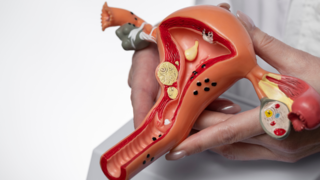
The hormone that is produced in the second half of your menstrual cycle is known as progesterone, and during pregnancy, its levels rise sharply. The corpus luteum, which is a small structure of your ovary, is responsible for producing progesterone in the early weeks, and later by the placenta as pregnancy progresses.
This progesterone plays several important roles.
- The uterine lining, known as the endometrium, is designed to take fertilised eggs
- Early-stage embryo development is supported by progesterone
- Ensuring a calm and stable uterine environment
- Preventing early contractions
How Does Progesterone Keep Your Uterus Calm?
Progesterone decreases the contraction ability of myometrium, also the muscle of the uterus, so the uterus can stay soft and relaxed for proper growth of the baby.
Here’s how it works:
- Blocks contraction signals: Progesterone blocks the uterine muscle from tightening by interfering with the signals that trigger contraction
- Regulates calcium levels: The flow of calcium causes contraction in our muscles, so one of the main focuses of progesterone is to control it
- Supports blood flow: It ensures that the baby's needs are being met, providing sufficient oxygen and blood circulation in the uterus
When Do Progesterone Levels Peak in Pregnancy?
Progesterone levels start rising soon after ovulation and continue to increase during pregnancy.
- First trimester: Progesterone rises rapidly to ready the uterus for implanting a fertilised egg
- Second trimester: The placenta takes over hormone production
- Third trimester: Levels remain high until just before labour
What Happens if Progesterone Levels Drop?
A drop in progesterone can make your uterus more sensitive and prone to contractions. It can also thin the uterine lining, making it difficult for the pregnancy to continue.
Common causes of low progesterone include:
- Hormonal imbalance
- Ovarian issues
- Placental problems
- Stress or nutritional deficiencies
- A few spots of blood in early pregnancy
- Cramps in the abdominal area
- Change in mood or tiredness
- Feeling heavily overwhelmed and anxious
How Do Doctors Manage Low Progesterone Levels?
If your progesterone level is found to be low, then the doctor might suggest:
- Progesterone supplements: Progesterone can be administered in several forms, such as pills, gels or injections
- Lifestyle support: Taking a generous amount of rest and following a nutrient-rich diet helps manage stress and promote emotional well-being
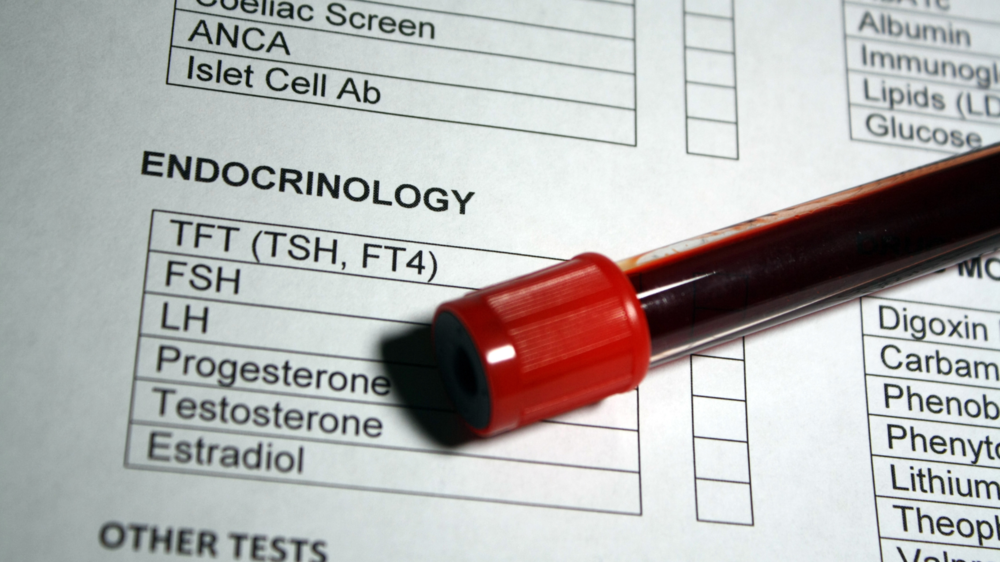
- Regular monitoring: Timely checkups can help you ensure the hormonal levels during pregnancy
What Can You Do to Support Healthy Progesterone Levels Naturally?
While your body is designed to produce enough progesterone during pregnancy, certain habits can support its natural function.
- Drink lots of water to stay hydrated
- Caffeine and processed food should be avoided
- Practice meditation or exercise that incorporates breathing to help balance your stress
- Track your hormones regularly
When Should You Consult a Doctor About Progesterone?
Consult your doctor if you are seeing these symptoms:
- Bleeding spot or repeated bleeding
- Finding it hard to bear cramps
- Feeling contractions before the delivery date
- If you have experienced early labour or miscarriage previously
What To Do Next: A Simple Checklist
- Notice your early pregnancy symptoms carefully
- If you have had a miscarriage before, then it is a good idea to test your progesterone levels for this pregnancy
- Drink plenty of water and try to eat healthy, home-cooked meals
- Take as much rest as you can, as it helps manage stress
Emotional & Social Aspects
It’s okay to feel overly sensitive or overwhelmed during your pregnancy. Hormonal changes play a significant role in influencing your emotions, just as they impact your body. Talking to loved ones or your medical supervisor helps you cope with your condition, making you feel better and stay calm. Staying emotionally steady not only helps you to stay better, but also benefits your hormonal balance and the baby’s growth.
Progesterone is one of the most powerful protectors of your pregnancy. It keeps your uterus calm, your baby safe, and your body ready for childbirth. By understanding its role, watching for warning signs, and supporting your body with healthy habits, you can enjoy a smoother, more confident pregnancy journey.
Remember, your body is doing something that is compared with a miracle. Follow your doctor’s guidance, stay calm and composed.
Whether you’re pregnant, a new mom, or navigating postpartum, you don’t have to do it alone. Join our support group to connect, share, and support one another.
FAQs on How Progesterone Keeps The Uterus Stable for the Baby
- Can miscarriage happen due to low progesterone?
Yes, low progesterone during early pregnancy makes it difficult for the uterus to support the baby, increasing the risk of miscarriage. But closing tracking and on-time treatment can balance the risk. - Are supplements of progesterone safe during pregnancy?
Yes, when prescribed by your doctor, progesterone supplements are generally safe and effective in maintaining pregnancy. Always use them only under the supervision of a medical professional. - How can you naturally boost your progesterone levels?
You can support progesterone production by eating a diet rich in vitamins B6 and C, staying active, managing stress, and getting ample amounts of rest as prescribed by your doctor.