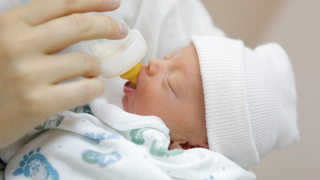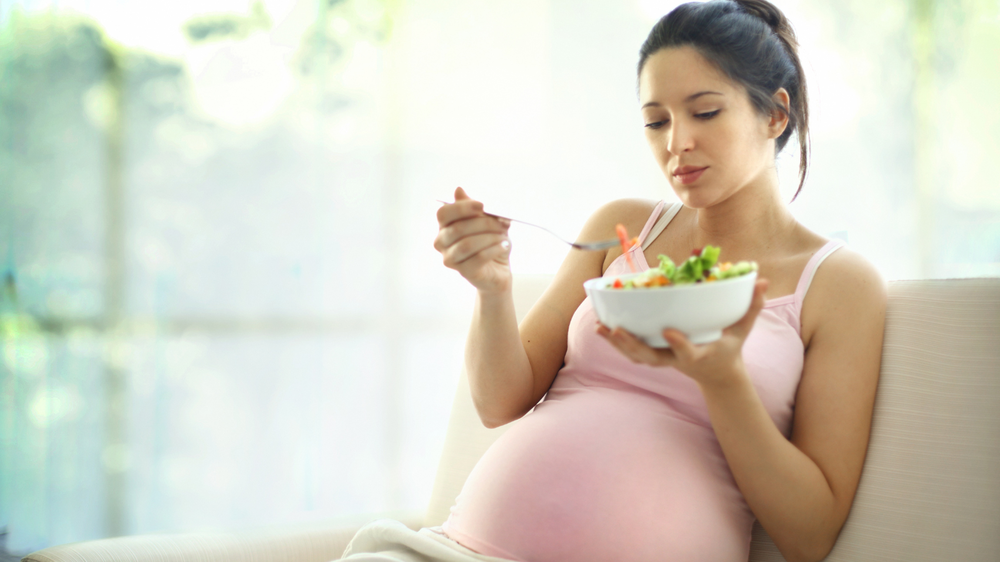
You can support your digestion, improve nutrition absorption and help your baby gain weight with seasonal foods. Knowing what to expect from each season will help you make the most out of it.
Why Does Seasonal Eating Matter During Pregnancy?
Seasonal foods are fresh, rich in nutrients, and easy to digest. It matters because your baby’s weight depends on how well your body absorbs nutrients between weeks 20 and 40. Most weight gain happens during this week of pregnancy.Studies show that babies gain about 25–30 grams per day in the last trimester. Proper nutrition, through seasonal eating, helps maintain this growth rate while keeping you healthy.
In this article:
How Does Summer Eating Affect Baby Weight?
What changes in your appetite during summer?You should eat light meals, such as fruits, and drink more fluids to beat the summer heat. However, this eating pattern may reduce your overall calorie intake, which can impact your baby's weight if you are not careful.
Why can summer slow down healthy weight gain?
- Reduced appetite due to the heat
- Faster dehydration affects nutrient absorption
- Higher sweating, leading to mineral loss
- A tendency to eat more cooling but low-calorie foods
- Seasonal fruits, such as watermelon, muskmelon, mango, litchi, and jamun
- Cooling foods rich in nutrients: curd, buttermilk, and coconut water
- Iron-rich options: leafy vegetables, dates, raisins
- Small but frequent meals every 2–3 hours
How Does Monsoon Eating Impact Baby Weight?
Does digestion become weaker during the monsoon?Humidity in the monsoon can slow down digestion, increase acidity, and reduce your appetite. You may experience more bloating and nausea during this season.
Your body absorbs fewer nutrients if your digestion becomes irregular, affecting your baby’s weight.
What makes monsoon food tricky?
- Higher chance of food contamination
- Increased risk of waterborne infections
- Naturally lower craving for raw foods
- Well-cooked seasonal vegetables like tinda, lauki, parwal, and beans
- Fruits with thick skin, such as bananas, apples, and pears
- Protein sources include dal, paneer, eggs, and lean meat
- Warm, easy-to-digest meals
How Does Winter Eating Support Baby Weight?
Why is winter considered a “nutrient-rich” season?You may crave warm and heavy meals in winter. The body needs more energy to maintain warmth, leading you to eat better and digest better. This may result in healthier weight gain, which supports your baby's weight as well.
How can winter positively impact foetal growth?
- Improved digestion
- Higher appetite
- Abundance of nutrient-rich seasonal produce
- More intake of proteins and healthy fats
What winter foods help the most?
- Vegetables, such as carrots, beetroot, spinach, methi, and cauliflower
- Fruits like orange, guava, and custard apple
- Healthy fats: ghee, nuts, seeds, jaggery
- Warm meals: soups, khichdi, dals
How Can You Balance Seasonal Eating for the Best Baby Weight?
Do you need to eat differently each season?The following guidelines can help you maintain a consistent eating pattern.
- In summer, focus on hydration and calorie-dense fruits
- In the monsoon, focus on hygiene and warm cooked meals
- In winter, focus on nutrient-dense foods and healthy fats
What Warning Signs Should You Watch If Your Baby's Weight Seems Low?
Low birth weight or foetal growth restriction (FGR) may cause the following problems:- Reduced baby movements
- Rapid maternal weight loss
- Continuous vomiting or diarrhoea
- Persistent dehydration
- Infection symptoms
What Can You Do Next? A Checklist
- Eat small meals every 2–3 hours
- Include seasonal fruits and vegetables
- Add a protein source in every meal
- Drink enough water daily
- Avoid skipping meals
- Go to all your prenatal check-ups
- Talk to your partner or family if you feel stressed, overwhelmed, or anxious
- Follow your doctor’s dietary recommendations
Emotional & Social Well-being: Why It Matters?
Pregnancy brings many changes, and the stress of keeping track of your weight or doctor visits can worry you. Talk about your feelings with your partner in times like these. You can also talk to someone in your family who understands you. A calm mind supports better digestion and eating habits, leading to healthier pregnancy outcomes.Seasonal eating is another way of supporting your baby’s healthy growth. Each season may bring different challenges, such as heat, humidity, digestive issues, or changes in appetite. You can make smart food choices by understanding how summer, monsoon, and winter influence your nutrition. It will also support your baby's healthy weight gain. Healthy meals, fluids, and regular check-ups are best for both you and your baby.
Whether you’re pregnant, a new mom, or navigating postpartum, you don’t have to do it alone. Join our support group to connect, share, and support one another.
FAQs on The Role of Seasonal Eating in Baby Weight (Summer vs Monsoon vs Winter)?
- Can seasonal changes alone cause low baby weight?
Seasonal changes can lead to loss of appetite and digestion problems, but low baby weight depends on other factors. These include nutrition, your health and medical conditions. Eating seasonal foods can positively influence weight. - Which season is considered best for healthy baby weight gain?
Your digestion and appetite may improve during winter, allowing you to eat and gain weight. But the baby's healthy growth is possible in every season with proper guidance. - Do I need supplements if I follow a seasonal eating plan?
Seasonal eating will provide better nutrition, but it cannot replace the vital vitamins your baby needs during their growing stage. So, take the iron, calcium or folic acid supplement, as prescribed by your doctor.