In this article:
Why Does Uterine and Pelvic Strength Matter for VBAC?
During a VBAC, your body does a lot of hard work as your uterus contracts and your pelvic floor supports the baby's fall. A healthy uterus helps you deal with contractions well, and a firm pelvic floor keeps problems like tearing, incontinence, or protracted labour from happening.When these muscles aren't strong or ready, labour can be harder. But if you do things the proper way, you can teach your body to handle the process securely and smoothly.
What Causes Weakness in the Uterus and Pelvic Floor After a C-Section?
After a cesarean section, your abdominal muscles and pelvic tissues may take time to regain their strength and flexibility. Some common reasons for weakness include:- Surgical recovery: Scar tissue around the uterus and abdomen can restrict movement.
- Hormonal changes: During pregnancy, hormones such as relaxin loosen the muscles and ligaments.
- Lack of physical activity: Post-surgery rest often results in reduced muscle tone.
- Stress or fear: Emotional tension can cause the pelvic muscles to tighten, affecting flexibility.
How Can You Naturally Strengthen the Uterus?
Your uterus is a powerful muscle that benefits from nourishment, adequate circulation, and gentle exercise. Here’s how you can support it:1. Focus on Iron and Vitamin C
A healthy uterus depends on good blood flow. Eating iron-rich foods like leafy greens, lentils, and beetroots boosts haemoglobin, while vitamin C (from oranges, amla, or guava) helps with absorption.2. Include Uterus-Friendly Herbs (Only After Doctor’s Advice)
Some herbs, such as raspberry leaf tea and ashwagandha, are believed to tone the uterine muscles. But always consult your doctor before trying any supplement during pregnancy.3. Gentle Movement Improves Circulation
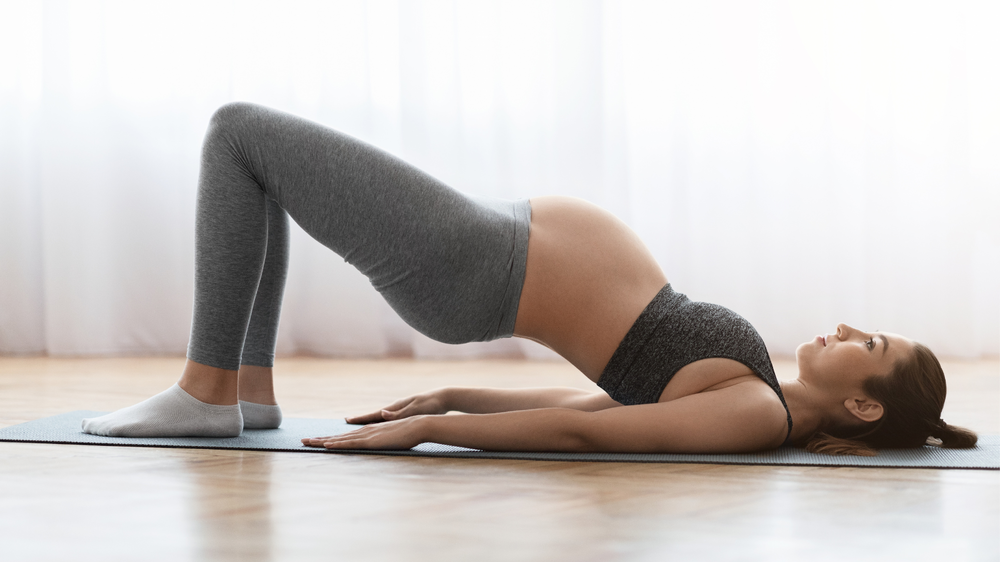
Simple activities like walking, stretching, or prenatal yoga increase oxygen flow to your uterus and strengthen surrounding muscles.4. Stay Hydrated
Dehydration can cause uterine irritability and contractions. Aim for 8–10 glasses of water daily, or more if your doctor advises.How to Strengthen the Pelvic Floor for VBAC?
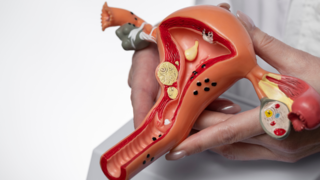
Your pelvic floor is like a hammock of muscles supporting your bladder, uterus, and rectum. Strengthening it helps control pressure during labour and aids in postpartum recovery.1. Start with Kegel Exercises
These are simple and highly effective. Here’s how to do them:- Sit comfortably and relax your body.
- Tighten your pelvic muscles (as if you’re trying to stop urinating midstream).
- Hold for 5–10 seconds, then relax.
- Repeat 10–15 times, two to three times daily.
2. Practice Deep Breathing and Core Engagement
Place one hand on your belly, inhale deeply, and as you exhale, gently draw your lower abdomen in. This supports both your core and pelvic floor strength.3. Avoid Heavy Lifting
While it’s important to stay active, lifting heavy weights can strain healing tissues. Focus on low-impact movements and safe exercises recommended by your doctor.How Can You Tell if Your Pelvic Floor is Weak?
You might notice signs such as:- Leaking urine when sneezing or coughing.
- Feeling of heaviness in the pelvic area.
- Difficulty controlling gas or bowel movements.
- Pain during intercourse.
When Should You See a Doctor?
You should seek medical guidance if:- You feel constant pelvic pain or pressure.
- You notice vaginal bulging (possible prolapse).
- You have irregular bleeding or contractions.
- You feel unsure about which exercises are safe.
What to Do Next: A Simple VBAC Preparation Checklist
- Get a medical evaluation before starting exercises.
- Practice Kegels and breathing exercises daily.
- Eat iron- and protein-rich foods for uterine health.
- Stay hydrated and maintain good posture.
- Discuss mental health and stress management with your partner.
- Schedule regular prenatal visits to track progress.
Emotional and Social Support: Why It Matters
Getting ready for a VBAC isn't only about your muscles; it's also about your mentality and the support you receive.Discuss your fears and objectives with your partner, family, or doula in an open and honest manner. Emotional support helps your body stay calm during labour. You're not the only one; with the correct care and confidence, many mothers have a successful VBAC.
One of the finest things you can do to get ready for a safer VBAC is to keep your pelvic floor and uterus strong. You can enhance your body's natural ability to give birth by engaging in gentle exercises, consuming a balanced diet, staying hydrated, and receiving emotional support. Trust yourself, listen to your body, and work closely with your doctor. Your body is ready for this trip.
Whether you’re pregnant, a new mom, or navigating postpartum, you don’t have to do it alone. Join our support group to connect, share, and support one another.
FAQs on How To Keep The Uterus and Pelvic Floor Strong For A Safer VBAC
- When should I start pelvic floor exercises after a cesarean?
You can usually begin gentle pelvic floor exercises a few weeks after your cesarean, once your doctor gives approval. Start slowly and increase intensity over time. - Can I do yoga or stretching if I’m preparing for VBAC?
Yes, prenatal yoga can improve flexibility, posture, and breathing. Just ensure you practice under professional supervision and avoid positions that strain your abdomen. - What if I still feel pelvic heaviness despite doing exercises?
If heaviness or discomfort continues, consult a pelvic floor specialist. You may need customised exercises or therapy to strengthen deeper muscles safely.