In this article:
What Exactly Is VBAC and Why Does It Matter?
VBAC refers to giving birth vaginally after undergoing a cesarean previously for delivery. Doctors used to recommend repeat C-sections, but that has become a thing of the past now. According to global studies, around 60-80% of cases can attempt VBAC successfully under the right conditions.VBAC offers several benefits, which make it a popular choice for delivery.
- Faster recovery compared to surgery
- Lower risk of infection
- Less blood loss
- Quicker bonding with your baby
Myth 1: “Once a C-section, Always a C-section”
It is the most common misconception because many believe that your uterus becomes weak after one caesarean. Therefore, vaginal birth is unsafe.What is the truth?
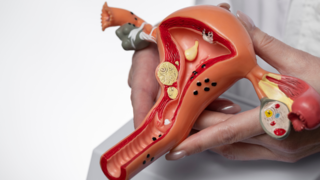
Modern techniques and innovations in surgery allow proper healing of your uterus. The most common type of incision is a low transverse one that makes vaginal birth safe in the future. If you check medical data, the risk of uterine rupture is as low as 1% during VBAC.Your doctor will assess your incision, the gap between pregnancies and your health conditions before recommending VBAC for your case.
How to address it?
You can share reliable information from your doctor with your family when they express concern about VBAC. You can also take them to your prenatal checkups for consultation to hear it directly from the doctor.Myth 2: “VBAC Is Too Risky for the Baby”
Families may oppose your VBAC choice because they fear the safety of your baby. They may think that the baby gets stuck or may feel distressed during labour.What is the truth?
Every birth has risk factors, whether you deliver vaginally or via C-section. However, VBAC is safe if you choose a good hospital with a facility to handle emergencies. Doctors monitor your baby’s heartbeat and labour progress continuously to act quickly when the situation demands.How to address it?
You can ask your doctor how they monitor the baby during VBAC. It can reassure your family members and also ease your worries.Myth 3: “You Will Feel More Pain During VBAC”
You may hesitate because of the painful or prolonged labour stories.What is the truth?
Labour is painful, and there is no denying it, but it can be managed. Your experience can be made comfortable with an epidural, breathing techniques, and continuous support from your birthing team.A VBAC recovery is faster than a repeat C-section because there are no internal wounds.
How to address it?
Discuss pain-relief options with your gynaecologist during check-ups. You can approach labour calmly when you have a plan ready.Myth 4: “The Doctor Will Always Push for Another C-section”
Some hospitals lack the necessary facilities or trained staff for VBAC. However, most doctors respect the decision of VBAC and support natural birth, provided you meet the conditions.What is the truth?
The decision of VBAC depends on your health and pregnancy. You can find a hospital that supports VBAC deliveries and also provides round-the-clock emergency service.How to address it?
Take time to do research early in pregnancy, and also ask your doctor about their experience in handling VBAC deliveries. A support group can be encouraging for you when you hear others share their positive VBAC experience.What Can You Do to Prepare for VBAC?
The following guide can help you prepare for the delivery:- Engage in light physical activity daily, such as walking, prenatal yoga, or breathing exercises, to maintain your body’s strength.
- Eat foods rich in iron, calcium, and protein, as they support the healing process.
- Look for a team experienced in VBAC deliveries when selecting a hospital.
- Attend antenatal classes or online sessions that explain everything about VBAC.
- Discuss your choice with your partner or a friend who has been in a similar situation.
Emotional and Family Support: Why It Matters
Choosing VBAC is an emotional decision. You may doubt yourself if you feel pressure from your relatives. You can involve your partner in decisions and even take them to prenatal appointments. After all, you are in this together. They can also explain your choices to others.Many myths are there surround VBAC in India, but the truth is far from it. You can safely have a vaginal birth after a caesarean with the right guidance from your doctor and support from your loved ones. You can make confident choices about your delivery by staying informed and involving your family in the process. What truly matters is the safe delivery of your baby and not outdated beliefs.
Whether you’re pregnant, a new mom, or navigating postpartum, you don’t have to do it alone. Join our support group to connect, share, and support one another.
FAQs on Myths About VBAC in Indian Families and How to Address Them
- Is VBAC really safe after a previous C-section?
VBAC is a good choice for cases with a low transverse incision from a previous C-section and a healthy pregnancy. Additionally, select a hospital that is well-equipped to handle any emergency. - How long should I wait after my C-section before trying for VBAC?
Waiting for at least 18 to 24 months allows your body to heal completely before trying for a VBAC. - What if VBAC doesn’t work out during labour?
Your doctor will perform an emergency C-section if the labour does not progress or there are complications. A backup plan is necessary for the safe delivery of your baby without compromising your health.