In this article:
Many patients ask, “Can I get pregnant again after a partial molar pregnancy?” The reassuring answer is that most women retain their fertility, but careful monitoring and recovery are essential to ensure a safe future pregnancy.
Let’s discuss the recovery, monitoring, and when it’s safe to try again after a partial molar pregnancy.
What Is a Partial Molar Pregnancy?
A partial molar pregnancy occurs when an egg is fertilised by two sperm or when abnormal genetic material causes the embryo to grow abnormally. Unlike a complete molar pregnancy, some foetal tissue may form, but it is not viable. This abnormal growth produces high levels of hCG (human chorionic gonadotropin) and requires medical evaluation to prevent complications such as persistent gestational trophoblastic disease (GTD).
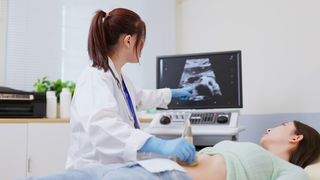
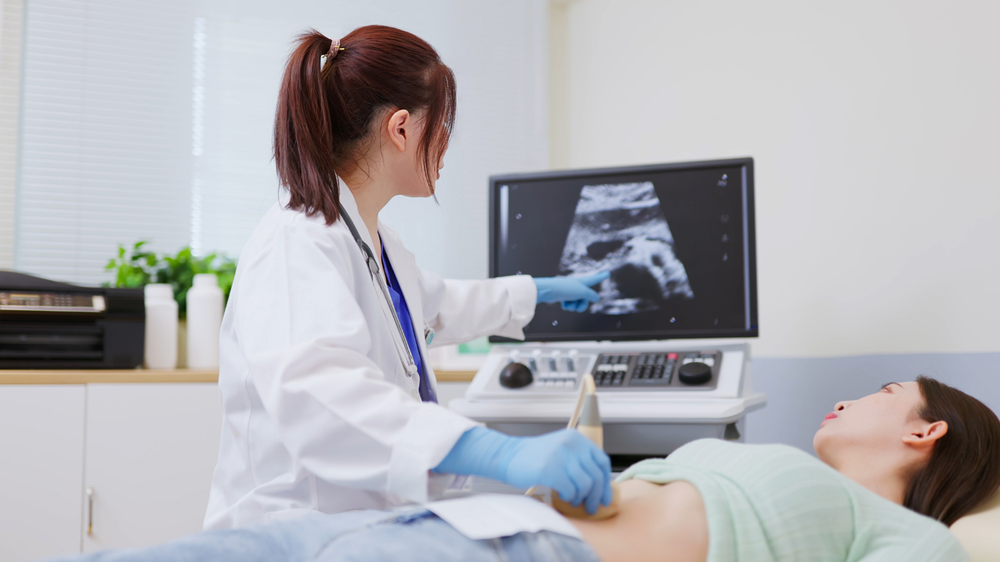
Partial molar pregnancies are usually diagnosed early in pregnancy by ultrasound and confirmed by blood tests. Treatment typically involves surgical removal of the abnormal tissue through a procedure called dilation and curettage (D&C). Most women recover physically, but careful follow-up is crucial to ensure hCG levels return to normal.
What are the Key Steps in Recovery After a Partial Molar Pregnancy?
Recovery after a partial molar pregnancy involves both physical and emotional healing. Here are five essential aspects to understand:

Uterus Healing and Cramping
After the procedure, the uterus gradually returns to its standard size over several weeks. Mild cramping is common as the uterus contracts, similar to menstrual cramps, and usually eases naturally.
Monitoring hCG Levels
Regular blood tests track hCG levels to ensure all abnormal tissue has been removed. Steadily declining levels confirm recovery, while rising levels may indicate the need for further evaluation.
Bleeding and Spotting
Light bleeding or spotting can continue for a few weeks as the uterus heals. It is normal, but heavy or prolonged bleeding should be reported to a healthcare provider immediately.
Emotional Adjustment
Patients often experience grief, anxiety, or fear about future pregnancies. Acknowledging these emotions and discussing them with trusted family, friends, or a support group can help patients process the experience.
Professional Support and Patience
Counselling or joining support groups can provide reassurance and guidance. Every patient’s recovery timeline is different, and giving yourself time to heal physically and emotionally is crucial.
How Is Recovery Monitored After a Partial Molar Pregnancy?
After a partial molar pregnancy, consistent monitoring and follow-up are key to ensuring full recovery and preserving fertility. Here are the main aspects patients should understand:
Regular hCG Blood Tests
Doctors track hCG (human chorionic gonadotropin) levels to confirm that all abnormal tissue has been removed. Initially, blood tests are done weekly until levels become undetectable, and then monthly for several months to ensure stability and detect any changes early.
Early Detection of Complications
Rising hCG levels may indicate residual tissue or, in rare cases, persistent gestational trophoblastic disease (GTD). Detecting these issues early allows doctors to provide prompt treatment, preventing complications and protecting future fertility.
Monitoring Physical Recovery
Follow-up appointments give doctors a chance to check the uterus, monitor bleeding, and assess overall physical recovery. These visits help ensure the body is healing properly and that any unexpected symptoms are addressed promptly.
Support for Emotional Well-being
Regular follow-up also provides an opportunity to discuss emotional health. Patients often experience anxiety or fear about future pregnancies, and addressing these concerns with healthcare providers can offer reassurance and guidance.
When Is It Safe to Try Again?
Most doctors recommend waiting until hCG levels have returned to normal and remained stable for a specified period, typically 6 to 12 months. This waiting period ensures that any remaining abnormal cells are detected early and reduces the risk of complications in a subsequent pregnancy.
During this time, patients can focus on physical recovery, emotional healing, and planning for their subsequent pregnancy with medical guidance. Once cleared by their healthcare provider, many women conceive naturally and have healthy pregnancies.
What to Do Next?
- Keep all blood tests and check-ups to monitor recovery.
- Report any unusual bleeding, cramping, or discomfort to your doctor.
- Support healing with proper nutrition, hydration, and sleep.
- Talk to loved ones, counsellors, or support groups to process emotions.
- Wait for your doctor’s clearance before trying again.
Fertility after a partial molar pregnancy is usually preserved, but careful recovery and monitoring are essential. By following medical guidance, attending regular hCG checks, and allowing time for physical and emotional healing, most women can safely plan another pregnancy. Understanding the process helps patients regain confidence and hope, supporting both their physical and emotional well-being on the journey to parenthood.
You’re not alone in your journey when trying to conceive. Join our supportive community to connect with others, share experiences, and find encouragement every step of the way.
FAQs on What to Know About Fertility and Recovery After a Partial Molar Pregnancy
- Can I get pregnant after a partial molar pregnancy?
Yes. Most women retain their fertility, but it is essential to wait until hCG levels return to normal and follow medical guidance. - How long should I wait before trying again?
Doctors usually recommend waiting 6-12 months after hCG levels normalise. - Can emotional support help after a partial molar pregnancy?
Yes. Counselling, support groups, and open communication with healthcare providers can help patients process grief and regain confidence in their fertility.