In this article:
What Is Postpartum Shivering?
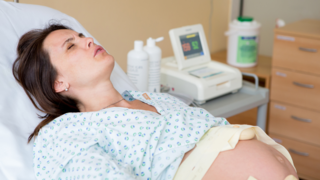
Postpartum shivering is the shaking you experience without meaning to after giving birth. It can start right after birth and last anywhere from a few minutes to about 30 minutes. Your arms, legs, jaw, or whole body may shake.This kind of shivering is not usually caused by a fever or an infection, which is reassuring. It is a bodily reaction to the quick changes that happen in your body during and after labour.
Why Does Shivering Happen After Birth?
Many things work together to make an individual shudder after giving birth. Because these changes happen so quickly, the reaction can feel immediate and strong.Hormonal Shifts
After giving birth, levels of prenatal hormones, including progesterone and oestrogen, drop quickly. Oxytocin levels also go up at the same time to help with bonding and breastfeeding. These abrupt changes can disrupt your nervous system and cause you to shake briefly.
Changes in Body Temperature
Your body works hard and creates heat while you're in labour. After giving birth, your body temperature may decrease a little because you sweat, lose blood, or are in a cooler environment. Even a tiny difference can make you shudder.
Nervous System Response
During labour, your body goes from being incredibly stressed to recovering just after the baby is born. This change can make your nervous system overly active, causing you to shake as you do after a lot of hard work.
Is Post-Birth Shivering Linked to Anaesthesia?
If you had an epidural or spinal anaesthesia, you may be more likely to experience shivering. These medications can interfere with your body’s ability to regulate temperature. However, shivering also occurs in individuals who have unmedicated vaginal births, so anaesthesia is not the only cause.What Does Postpartum Shivering Feel Like?
You may notice:- Uncontrolled shaking
- Teeth chattering
- Muscle tension
- A feeling of cold without actual cold exposure
- Difficulty holding objects
How Common Is Shivering After Birth?
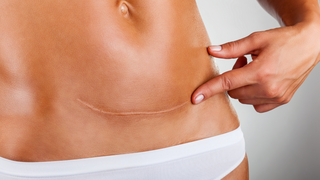
Studies suggest that up to 50 per cent of individuals experience shivering after delivery. It can happen after vaginal birth or caesarean section. Because it resolves on its own, it is often not discussed in detail, which can make the experience more frightening if you are unprepared.Is Postpartum Shivering Dangerous?
In most cases, postpartum shivering is not dangerous. It does not harm you or your baby. It does not indicate infection, blood loss, or complications when it occurs on its own and resolves quickly.However, persistent shaking accompanied by fever, heavy bleeding, dizziness, or confusion should always be reported to a healthcare provider.
How Long Does the Shivering Last?
For most individuals, shivering lasts between 5 and 30 minutes. Rarely, it may continue for up to an hour. The intensity usually reduces gradually as your body stabilises.What Can You Do to Feel More Comfortable?
While shivering cannot always be prevented, certain steps can help reduce discomfort.- Ask for a warm blanket
- Practice slow, deep breathing
- Stay hydrated if allowed
- Try to relax your jaw and shoulders
- Accept reassurance from medical staff
Should You Be Concerned or Call for Help?
You should inform your doctor or nurse if:- Shivering lasts longer than one hour
- You develop a fever above 38°C
- You feel faint or unusually weak
- Shaking is accompanied by heavy bleeding
Emotional Impact of Shivering After Birth
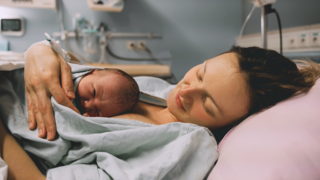
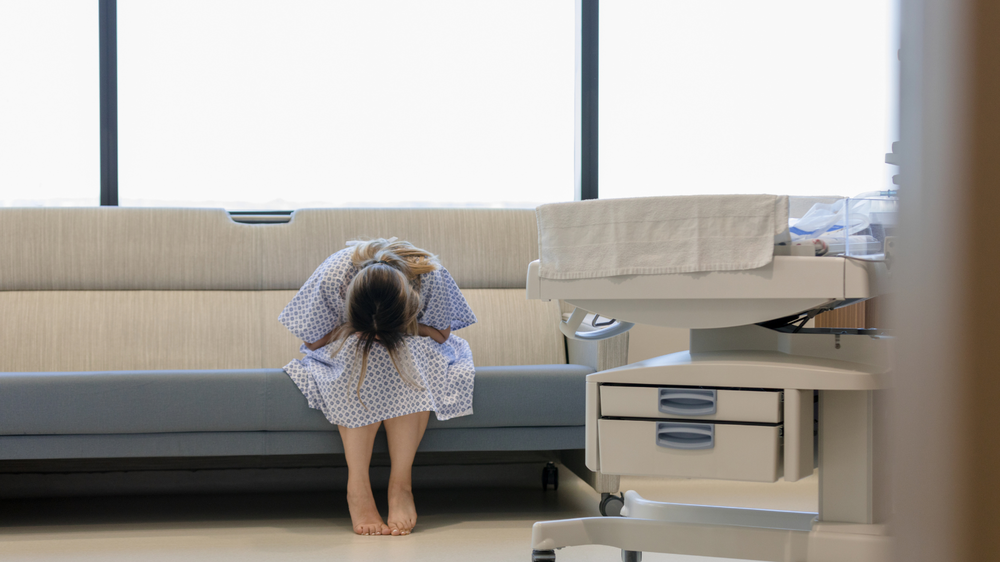
The immediate postpartum period is emotionally intense. Sudden shaking can make you feel vulnerable or frightened, especially when you are holding your baby for the first time. Clear explanations and reassurance from healthcare providers and your partner are important for helping you feel safe and supported.Your partner’s calm presence can help ground you emotionally during this moment.
What Should You Do Next? A Simple Checklist
- Remember that shivering is usually normal
- Inform staff so they can support you
- Keep yourself warm
- Focus on slow breathing
- Rest once the shaking stops
- Ask questions if you feel unsure
Sudden shivering after birth is a common physical response caused by hormonal changes, temperature shifts, and nervous system adjustment. While it may feel intense, it is usually harmless and temporary. Understanding this response allows you to stay calm, focus on recovery, and enjoy the first moments with your baby with greater confidence and emotional comfort.
Whether you’re pregnant, a new mom, or navigating postpartum, you don’t have to do it alone. Join our support group to connect, share, and support one another.
FAQs on Why Some Women Experience Sudden Shivering After Birth
- Can postpartum shivering happen after a caesarean birth?
Yes, shivering can occur after both vaginal and caesarean deliveries and is often linked to anaesthesia and hormonal changes. - Does shivering affect breastfeeding initiation?
No. Once the shaking settles, it does not interfere with breastfeeding or bonding. - Can postpartum shivering happen again later?
It usually occurs only once, immediately after birth, and does not recur in the days following delivery.