In this article:
What Is a VBAC?
VBAC means having a Vaginal Birth After Caesarean. Many individuals want to try it because recovery is usually quicker, there are fewer complications, and you can bond with your newborn immediately.Though VBAC is not a safe option for all, the main concern lies in the uterine scar from the past C-section, which may rupture or open during delivery in rare cases. There are lesser chances, mostly about 0.5% to 1%, but if that happens, it can lead to some serious consequences.
Why Are Some Women at Higher Risk During VBAC?
Every birth story is unique. Things like your medical background, your pregnancy journey, and your past C-section scar can impact whether a VBAC is suitable for you or not.Let's talk about the main reasons why VBAC could be riskier for some individuals.
Does the Type of C-section You Had Before Matter?
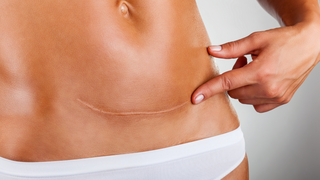
Yes, it does. The type of incision your doctor made during the past C-section plays a significant role.- Side-to-side cut or low transverse incision is the safest and most common type of incision for VBAC, with a lesser possibility of uterine rupture.
- Classical or vertical incision, which cuts the uterus up and down, carries a higher rupture risk. In such instances, VBAC is usually not recommended.
Why Does the Gap Between Pregnancies Matter?
Getting pregnant too soon after a C-section can be risky since your scar probably hasn’t fully healed. Research suggests that if you conceive less than 18 months after a caesarean delivery, the chances of complications, such as uterine rupture, increase.Waiting at least 18 to 24 months before trying for a VBAC is best, and makes VBAC safer and more likely to work.
Can the Reason for Your Previous C-section Impact the Safety of VBAC?
Of course. If your prior C-section was done due to factors that probably won’t happen again, such as placenta previa or breech position of the foetus, you’re more likely to have a successful VBAC.However, if the previous caesarean section was because of delivery-related complications, for example, a stalled dilation or the baby didn't descend properly, those same issues might recur, increasing the chance of complications.
Is the Baby’s Position or Size a Factor Here?
Of course. If the baby is larger than usual (over 4 kg, about 9 pounds), a normal delivery can increase pressure on the scar. Similarly, if you have a breech baby, VBAC becomes riskier.That's why your doctor will often recommend an ultrasound near the due date to check your baby's position and size before making a decision.
How Do Labour Induction or Medication Impact VBAC?
Sometimes labour may not start on its own, and doctors may recommend inducing. Some medicines, like prostaglandins or high doses of oxytocin, could make your uterus more likely to rupture during VBAC.If induction is necessary, your doctor will likely use lower doses or safer alternatives. Ensure you discuss the risks and other options with your clinician before making any decisions.
Can Multiple C-sections in the Past Increase the Risk?
Yes, having two or more C-sections slightly enhances the risk of uterine rupture and surgical complications. VBACs can work even after multiple C-sections; continuous monitoring is necessary in a hospital well-equipped with emergency care.How Do Age or Overall Health Matter?
Your overall health is crucial when considering a VBAC. Conditions such as being overweight, having high blood pressure, or diabetes may complicate labour.Age is also a factor. VBAC may be slightly less effective and may cause more problems in cases where you are over the age of 35 years. However, the risks can be reduced by taking care of your health in the prenatal stage.
When Should You Not Go for VBAC?
You should avoid VBAC if you have:- A classical uterine incision
- Previous uterine rupture
- Placenta previa or accreta, where your placenta is covering or deeply implanted in the cervix
- Multiple past C-sections without any vaginal delivery
The Emotional Side of VBAC
VBAC is just as much an emotional experience as it is a physical one. It’s normal to feel anxious, hopeful, or even pressured. Discuss your concerns with your partner and doctor. Emotional support not only calms your mind but also makes the delivery experience more empowering.What Are the Further Steps?
Discuss the type of scar with your doctor.- Inquire about your hospital's VBAC (Vaginal Birth After Cesarean) policy
- Prepare yourself mentally and physically through prenatal care to ensure a healthy pregnancy
- Understand the positive and negative sides that will impact you
- Be flexible. Going for another C-section can be the safest option sometimes.
Whether you’re pregnant, a new mom, or navigating postpartum, you don’t have to do it alone. Join our support group to connect, share, and support one another.
FAQs on What Makes VBAC Riskier for Some Women Than Others
- Am I eligible for VBAC after two C-sections?
It might be conceivable, but there are more risks. A well-equipped hospital with a skilled medical team is required for safe delivery. - How to know if my C-section incision is okay for VBAC?
Your doctor can verify your medical history or review your surgical notes to confirm the type of scar you have. A low transverse scar is considered to be the safest. - What Are the Signs of Uterine Rupture During VBAC?
If you’ve got severe pain in the abdomen, an abnormal heart rate of the baby, or paused contractions, it could mean a rupture. Immediately go to a doctor.