Times Future of Maternity 2026 | India's Largest Maternity Ecosystem Gathering

Why Doctors Call This “Pregnancy” Even Before Conception

Medical professionals often begin counting pregnancy from the first day of a woman’s last menstrual period (LMP), which can confuse many expecting parents. The approach means the first two weeks of “pregnancy” occur before conception. Let’s understand why this method is used to help clarify timelines, expectations, and the science behind early pregnancy calculations.

Pregatips.com
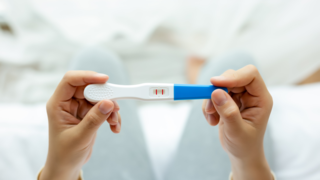
pregnancy test before conception
istock
Many people are often surprised to learn that pregnancy is measured even before a baby exists. You might find yourself asking, “How can I be considered pregnant if I haven’t conceived yet?” The reason lies in how doctors calculate pregnancy.
They start counting from the first day of your last menstrual period (LMP), providing a transparent, standardised reference point. Furthermore, doctors may use the LMP to track important pregnancy milestones, predict ovulation, and accurately estimate the due date. It also helps plan prenatal care, such as scheduling ultrasounds and routine check-ups at the right time.

Let’s discuss how doctors calculate pregnancy, what happens during the pre-conception weeks, and the benefits of LMP to track pregnancy.


How Do Doctors Calculate Pregnancy?

Doctors do not measure pregnancy from the day of fertilisation because the exact moment of conception is often unknown. Sperm can survive several days in the reproductive tract, and the egg is only viable for a short period, making the precise timing of fertilisation difficult to determine. To standardise pregnancy tracking, doctors use the first day of the last menstrual period (LMP) as a consistent starting point.

  • Estimate Gestational Age
Counting from LMP allows doctors to accurately track a pregnancy's progress, which is essential for monitoring foetal growth and development.

  • Predict Ovulation and Conception Windows
Knowing the start of the cycle helps identify the most fertile days, guiding couples trying to conceive and optimising timing.

  • Plan Prenatal Care and Tests
Doctors can use LMP to schedule screenings, ultrasounds, and routine check-ups at the appropriate stages of pregnancy, improving maternal and foetal health outcomes.

What Happens During the Pre-Conception Weeks?

The first two weeks of what doctors call “pregnancy” are actually pre-conception weeks. During this time, your body is preparing for ovulation and the possibility of fertilisation. Understanding these changes helps you identify fertile days and optimise the chances of conception.

Week 1
In the first week, your body sheds the uterine lining from the previous menstrual cycle. This natural process clears the way for a fresh, nutrient-rich lining that can later support a fertilised egg. Hormones such as oestrogen and progesterone are at their lowest levels initially but start to rise gradually, signalling your body to prepare for the next stage of your cycle.

Week 2
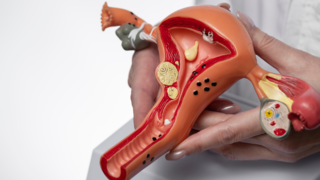
Week 2 is the beginning of the critical period of ovulation. A mature egg is released from one of the ovaries and travels into the fallopian tube, ready for fertilisation. At the same time, the uterine lining thickens to provide an optimal environment for a potential embryo. The fertile window opens during this week, offering the highest chances of conception if intercourse occurs at the right time. These physiological changes lay the foundation for pregnancy in the coming weeks.

What are the Benefits of Using LMP to Track Pregnancy?

Using the first day of your last menstrual period (LMP) to track pregnancy provides a reliable and practical framework for both prospective parents and healthcare providers. Here’s why doctors use LMP to track pregnancy.

  • Predict Due Dates Accurately
Doctors rely on LMP to estimate your due date because the exact day of conception is often unknown. Furthermore, gynaecologists can use the standardised starting point to schedule essential ultrasounds and prenatal tests at the appropriate stages. Accurate dating ensures that growth assessments, screenings, and interventions occur on time, giving both you and your healthcare team a clear roadmap for monitoring the pregnancy.

  • Monitor Development Milestones
Tracking gestational age from LMP allows healthcare providers to check that your baby is developing at the expected pace. Each stage of pregnancy has specific milestones, such as heartbeat detection, organ development, and growth measurements. Doctors can align assessments with gestational age to detect potential complications early and provide timely guidance to ensure the health of both mother and baby.

  • Support Fertility Planning
For couples trying to conceive, LMP provides a precise reference point for identifying fertile windows. Knowing your cycle helps predict ovulation, allowing you to time intercourse effectively and maximise the chances of fertilisation. Furthermore, it helps track menstrual regularity and highlights any irregularities that might affect fertility, giving you a proactive way to plan conception.

What to Do?

  • Track your menstrual cycle carefully to predict ovulation.
  • Monitor ovulation using basal body temperature, cervical mucus, or predictor kits.
  • Maintain a balanced diet and stay hydrated.
  • Manage stress and prioritise quality sleep.
  • Consult a gynaecologist for personalised guidance if conception is delayed.
Doctors start counting pregnancy from the first day of your last menstrual period, even before conception occurs, to provide a consistent and reliable timeline. While it may seem confusing at first, this method helps predict ovulation, estimate due dates, and plan prenatal care effectively. Furthermore, knowing the technique may help prospective parents to pursue an early pregnancy with confidence.

You’re not alone in your journey when trying to conceive. Join our supportive community to connect with others, share experiences, and find encouragement every step of the way.

FAQs on Why Doctors Call This “Pregnancy” Even Before Conception


  1. Does being “pregnant” before conception mean I am actually carrying a baby?
    No. The first two weeks are preparatory, and pregnancy has not started until fertilisation occurs.
  2. Can I track ovulation accurately if I know my LMP?
    Yes. Knowing your cycle and LMP helps predict your fertile window, improving the chances of conception.
  3. Why do doctors use LMP instead of the conception date?
    The exact date of fertilisation is often unknown, so LMP provides a consistent and measurable starting point.

How we reviewed this article
Our team continuously monitors the health and wellness space to create relevant content for you. Every article is reviewed by medical experts to ensure accuracy.
Times Future of Maternity 2026 | India's Largest Maternity Ecosystem Gathering