In this article:
When Do Babies Start Moving Their Hands Inside the Womb?
Your baby starts making simple movements very early in pregnancy.- At around weeks 8 to 10, hand and arm movements occur without you even noticing them.
- Your baby’s arm movements become smoother between weeks 13 to 16, and they begin to develop the skill of opening and closing their hands. As pregnancy continues, expect these movements to become more coordinated.
- In the last few months, hand movements have developed and can usually be seen on an ultrasound.
Why Does Opening and Closing the Hand Matter for Growth?
Opening and closing the hands isn't random. It shows how well your baby's brain, nerves, and muscles work together. This movement helps with:- Development of the nervous system
- Coordination and strength of the muscles
- Communication of the brain and muscles
- Preparing for future skills like holding or grasping
How Does the Brain Control Hand Movements Before Birth?
Coordination of Brain & nerve Your spinal cord and nerves help your brain send signals to the muscles. Each time your baby clenches and unclenches their hands, this coordination gets better.
Around the 20th week, the parts of the brain that control movements become more active. This leads to motions that seem more intentional.
Growth of muscles & joints
As your baby develops muscles and their joints loosen up, they start to control wrists and fingers better. As pregnancy progresses, these developments strengthen coordination, leading to more frequent hand movements.
How Do Reflexes Contribute to Hand Movement?
A lot of hand movements occur inside the womb as a response to reflexes. These are automatic reactions that your baby’s neurological system regulates.The grasp reflex is a natural response in babies. When something comes in contact with your baby’s palms, they immediately close their hands.
Reflex-based movements basically show that a baby’s nervous system is developing as it should.
Can You See Your Baby's Hands Moving During an Ultrasound?
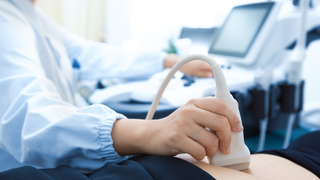
Yes, you can see hand movements on ultrasound, particularly after weeks 18 and 20. You may see your baby:- Opening and closing their fists
- Sucking their thumb
- Touching their face
- Stretching their fingers
What If You Can’t Feel These Movements?
You may not be able to feel hand movements separately. Most of the sensations you encounter are full-body movements like rolls and kicks.Not feeling hand movements doesn't indicate any abnormalities. These movements are usually so subtle that expectant mothers often fail to sense them from outside the womb.
Instead of individual hand motions, physicians prefer to use ultrasounds and overall movement patterns to examine development.
How Can You Help with Hand and Nerve Development in a Healthy Manner?
Proper nutrition Nutrients like iron, iodine, folic acid, protein, and omega-3 fatty acids are helpful for your baby’s brain and nervous system development. Making sure you have enough of these in your diet helps your baby's nervous system develop properly.
Sufficient oxygen and blood circulation
Good blood circulation makes sure your baby receives enough oxygen, which is essential for brain and nerve coordination.
Maternal health
Managing health issues such as high blood pressure, diabetes, or infections helps protect your baby's neurological development.
When Should You Be Concerned?
While hand movements alone aren't tracked regularly, you must call your doctor if you notice:- No movement felt after week 24
- A significant decrease in the overall movements of the baby
- Sudden shift in their rhythm of movement
Bonding & Emotional Things to Consider
When your baby begins to develop the skill of opening and closing their hands, it is exciting to witness those moments. This can strengthen bonding, as it shows they are active and responding to their environment.Involving your partner in those ultrasound scans may also help you both feel more connected and relaxed. Seeing your baby’s movements together can help you both feel involved.
What to Do Further?
- Make sure to attend all your prenatal check-ups
- Maintain a healthy, nutritious diet
- Get plenty of rest to keep yourself calm
- Regularly keep an eye on your baby’s movements in the final months
- Clear your doubts with your healthcare provider
- Attend the appointments together with your partner
Whether you’re pregnant, a new mom, or navigating postpartum, you don’t have to do it alone. Join our support group to connect, share, and support one another.
FAQs on How a Baby Learns to Open and Close Their Hands in the Womb
- Do all babies start showing hand movements at the same time?
No. Development timing may slightly vary, and small differences are usually fine. - Can stress disrupt your baby’s movement inside the womb?
Prolonged or chronic stress may disrupt overall pregnancy health, so stress management is important for both you and your baby. - Are hand movements and future movement practices connected?
Hand movements of your foetus during pregnancy aid in the development of abilities such as reaching, grasping, and coordination for life after they’re born.