In this article:
What Is a Period?
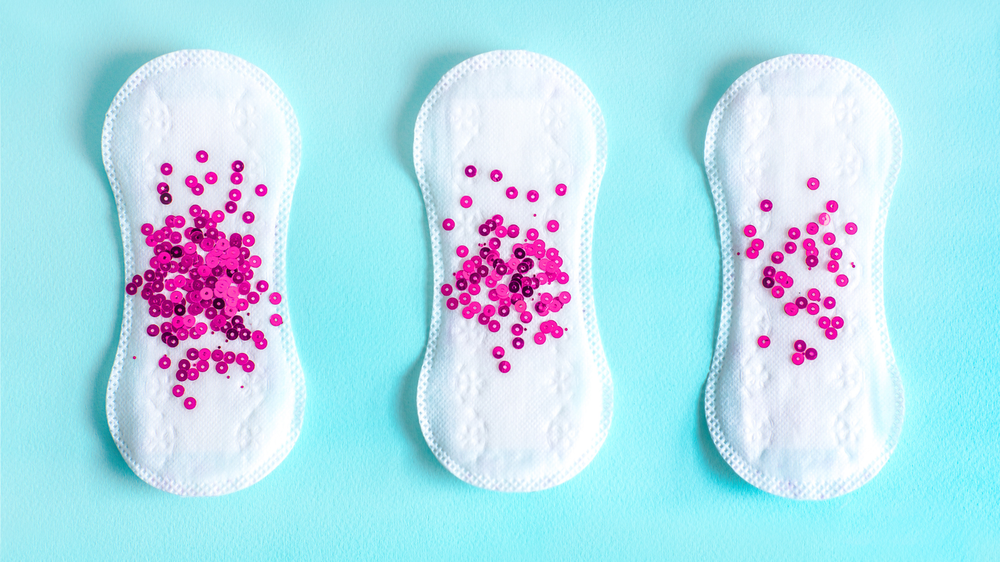
A period happens when pregnancy does not occur. Each month, the uterus builds a lining to support a fertilised egg. If fertilisation does not occur, hormone levels fall, and this lining sheds during menstrual bleeding.A typical menstrual period in India lasts 3 to 7 days and typically involves an average blood loss of 30 to 40 ml. When pregnancy begins, hormones such as progesterone remain elevated to protect the uterine lining. As a result, true periods do not occur during pregnancy.
Why Do Some People Bleed During Pregnancy?
This is where confusion often begins. While you cannot have a real period during pregnancy, you can still have vaginal bleeding. Studies show that 20 to 30 percent of pregnant people have some bleeding in the first trimester.This bleeding may resemble a light period and may occur around the time you would expect your next period. Common reasons include:
- Implantation bleeding: When the fertilised egg attaches to the uterus, it usually occurs 6–12 days after ovulation. It is light, pink or brown, and lasts 1–3 days.
- Hormonal fluctuations: Early pregnancy hormones can cause spotting, especially if cycles were irregular before.
- Cervical sensitivity: More blood flow can make the cervix bleed lightly after sex or a medical exam.
- Subchorionic bleed: A small collection of blood near the placenta, often seen on early scans, and typically resolves on its own.
How Is Pregnancy Bleeding Different from a Period?
Understanding the difference can help you feel less anxious.Period-like bleeding usually includes:
- Steady flow that gets heavier over days
- Bright red blood
- Clots and tissue
- Clear cycle pattern
- Lighter or spotting
- Pink, brown, or rust-coloured
- Shorter (hours to a few days)
- Not following a monthly pattern
Can Bleeding Mean Something Serious?
Sometimes, yes. While many cases are not serious, bleeding can also be a sign of conditions that need medical attention. Contact a doctor urgently if bleeding is accompanied by:- Severe lower abdominal pain or shoulder pain
- Dizziness or fainting
- Fever above 38°C
- Foul-smelling discharge
- Ectopic pregnancy (occurs in 1–2% of pregnancies)
- Threatened miscarriage
- Placental issues later in pregnancy
What Symptoms Might Confuse You Further?
Pregnancy symptoms can be similar to period signs, which can make things confusing. You might notice:- Mild cramping
- Breast tenderness
- Fatigue
- Mood changes
- Bloating
What Should You Do If You Suspect Pregnancy?
Finding out early can help you have a healthier pregnancy. Take it one step at a time. Step-by-step guidance:- Take a home pregnancy test after a missed period or 14 days after ovulation.
- Repeat the test after 48 hours if unsure.
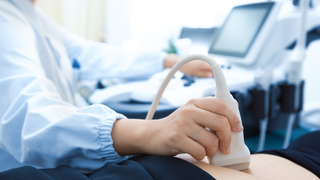
- Visit a doctor for an hCG blood test and an ultrasound.
- Avoid heavy exercise, smoking, and alcohol until you know more.
- Start folic acid 400 mcg daily, as recommended in India.
Nutrition, Rest, and Emotional Well-Being During This Phase
Uncertainty can feel overwhelming. If you are worried about bleeding, remember it does not mean you have done anything wrong. Support your body by:- Eating iron-rich foods like spinach, lentils, dates, and jaggery
- Staying hydrated (2–2.5 litres daily)
- Sleeping 7–9 hours
- Practising gentle breathing or meditation
- Leaning on partner or family support
When Should You Definitely Contact a Doctor?
Getting care early is not about being afraid. It is about keeping you safe. Do not wait if:- Bleeding continues beyond 3 days.
- Pain increases instead of easing.
- You have had previous pregnancy losses.
- You have diabetes, thyroid issues, or PCOS.
What to Do Next: A Simple Checklist
- Track bleeding colour, flow, and duration
- Take a pregnancy test
- Book a medical appointment
- Rest and hydrate
- Avoid self-medication
- Seek emotional support
Whether you’re pregnant, a new mom, or navigating postpartum, you don’t have to do it alone. Join our support group to connect, share, and support one another.
FAQs on Bleeding During Pregnancy: Can It Look Like a Period? Explained Simply
- Can implantation bleeding look precisely like a period?
Implantation bleeding is usually lighter and shorter, and it does not get heavier over time. It may occur around the time you expect your period, but it does not involve heavy bleeding, clots, or severe cramps. If you are unsure, taking a pregnancy test and talking to a doctor can help. - Can stress cause bleeding that looks like a period in early pregnancy?
Stress does not directly cause bleeding, but changes in hormones from stress can sometimes lead to spotting. If you have any bleeding and think you might be pregnant, it is important to see a doctor to check for medical reasons.