In this article:
How Do Babies Taste Food Before They’re Born
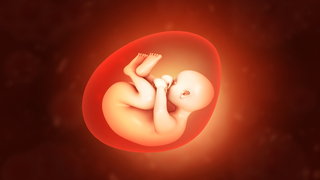
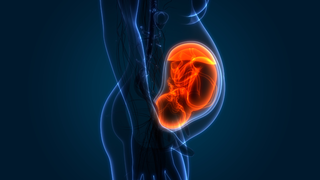
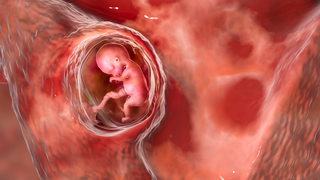
You may be surprised to learn that your baby's sense of taste begins to develop early. Their taste buds begin to form around 13 to 15 weeks of pregnancy. By swallowing the amniotic fluid, they're exposed to the flavours of every food you consume.What is the reason behind this?
When you eat something, the flavour breaks down and enters your bloodstream. These flavour molecules then change the taste of the amniotic fluid. Studies show babies react to flavours like garlic, mint, carrot, and even vanilla, based on what their mothers eat.Basically, what you’re eating isn’t just good for the baby; it’s like their first food flavour class.
Can Your Diet Shape Your Baby’s Future Food Preferences?
Yes, it can. Studies show that frequent exposure to certain flavours during pregnancy increases the likelihood of your baby preferring those flavours after birth. For instance, babies exposed to carrot flavour during pregnancy showed a greater preference for carrot-flavoured cereal later.Flavours like garlic, anise, and vanilla are often better accepted in infancy.
Why is it important to you?
If you want your baby to grow up enjoying fruits, vegetables, and wholesome foods, your pregnancy diet could be a good start.Does Your Baby React to Different Flavours?
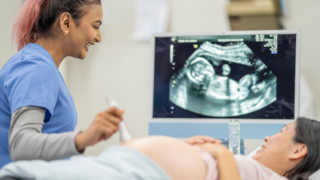
Surprisingly, yes. Scans show babies react to flavours with facial expressions very early, like 32 to 36 weeks. For example:- For sweet treats, they give a smile-like reaction.
- To strong flavours or bitter tastes, their reaction turns into a grimace-like expression.
Does Your Baby Play a Role in Your Cravings?
Pregnancy cravings? Could be hormones, feelings, or simply what your body needs. But some theories suggest that your baby’s developing senses and how fast they’re growing might play a role, too. If your baby needs, say, calcium for strong bones, you might start craving things like milk or cheese.It’s not a proven fact yet, but it’s fascinating to think there’s another way you’re linked to your baby.
What Should You Eat to Support Your Baby’s Taste Development?
You don't need an ideal diet, but a balanced one helps build nutritious taste preferences for your baby. Foods worth including:- Fresh fruits such as apples, oranges, and berries
- Carrots, spinach, pumpkin, and other colourful veggies
- Healthy proteins that you’ll get from chicken, eggs, and fish
- Seeds, nuts, and olive oil that are rich in healthy fats
- Some amount of subtle seasonings and herbs like cumin, turmeric, and ginger
- Packaged and processed snacks
- Foods that are too salty
- Too many caffeinated drinks
- Artificial sweeteners
How Does This Influence Feeding After Birth?
Babies tend to identify and prefer tastes they experienced in the womb. So, you might see:- They might eat foods more readily that you consumed frequently during pregnancy
- They might already be used to any mild herbs or spices you have regularly
- Reduced fussiness during weaning
What is the Social & Emotional Impact of This?
Food is deeply emotional. When you make informed decisions about what to eat while pregnant, you're not just nourishing your baby, but also developing a sensory foundation that helps them build a sense of security, comfort, and trust through taste. Moreover:- Knowing you're shaping your baby's future preferences can boost your confidence
- Discussing your meals and preferences with your family reduces stress and promotes bonding
When Should You Watch What You Eat?
- Unpasteurised dairy products
- Raw or improperly cooked meats
- Unhygienic street foods
- High-mercury fish
- Very spicy foods, if that causes discomfort
- Persistent loss of appetite
- Really bad vomiting
- Sudden intolerance to particular foods
- Stomach cramps right after you eat
What to Do Next?
- Try spicing up healthy flavours in new ways
- Stay hydrated all day long
- Include a mix of colourful fruits and vegetables in your meals
- Avoid foods that aren't recommended during pregnancy
- Talk to your doctor about your diet if you’re unsure about anything
- Get your partner involved in planning meals; it’ll give you moral support
- Stay relaxed while eating; your emotional state impacts your digestion
Whether you’re pregnant, a new mom, or navigating postpartum, you don’t have to do it alone. Join our support group to connect, share, and support one another.
FAQs on How Your Baby Influences Food Preferences Through the Womb
- Can my baby taste spicy food in the womb?
Yes, your baby may sense the flavour of spicy foods through the amniotic fluid, but it doesn't cause harm unless the flavours make you uncomfortable. - Does eating sweets during pregnancy make the baby prefer the sweet later?
Frequent exposure to sweet flavours may influence their preference towards sweet treats, but what they end up eating regularly also has to do with their surroundings and upbringing, too. - Can modifying my diet during pregnancy improve my baby’s future acceptance of vegetables?
Yes, including vegetables regularly, even if you don’t prefer them, can increase the chances that your baby will accept these flavours after birth.