In this article:
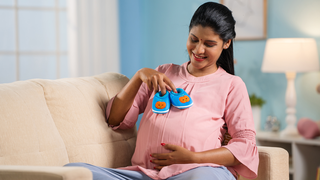
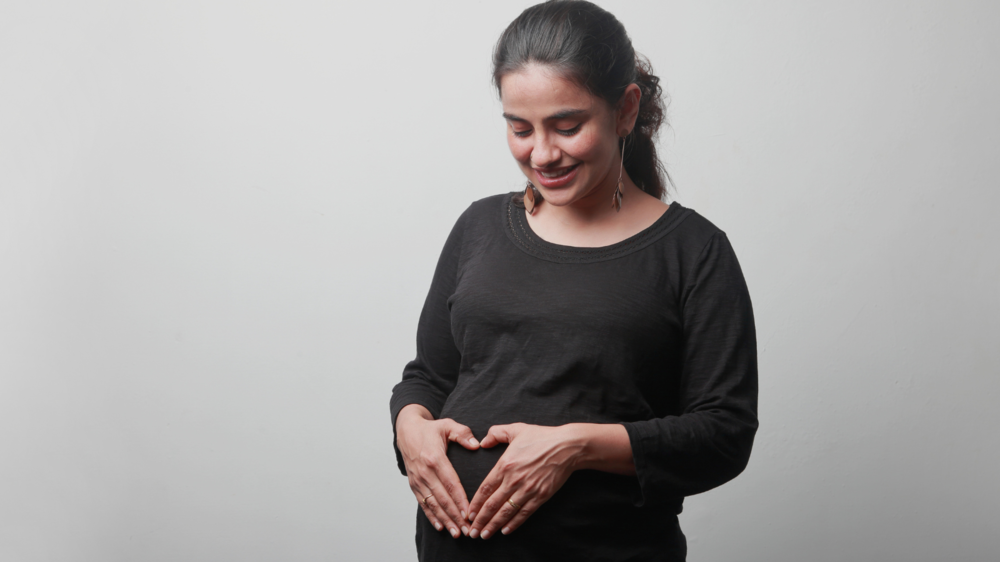
Mother's calm, healthy environment, relaxed mind, and positive thoughts nurture the growing baby. When mothers are calm and emotionally connected, oxytocin and endorphins are released, which helps create a stable uterine environment.
Benefits of Prenatal Bonding
The mother is the middleman between the foetus and the world. Starting an emotional and sensory bond earlier fosters a strong relationship between the mother and the child. Prenatal bonding through interventions (ultrasound, listening to the heartbeat) increases the bond with the baby. Some benefits of prenatal bonding are:
- Emotional connection: Bonding with the unborn baby reduces stress levels and the risk of antenatal depression.
- Emotional Development: Mother's positive emotions and thoughts support the baby’s brain wiring and neural growth.
- Security: Early bonding lays the foundation for attachment, trust, and empathy.
Bond With Your Baby
Mother's happiness and affection, father’s love and emotional presence, and the family’s positive rituals, culture, and environment reach the baby and help them develop their emotional and sensory systems.
Here are ways parents can establish prenatal bonding:
Talk to Your Baby
The baby’s auditory system begins to develop by week 18, and they can recognise and respond by week 24. Baby can understand vowels and sounds. This helps them differentiate between their mother’s native language and a foreign language.Massage Your Belly
Touch is the first stimulus which helps in emotional regulation, cognitive growth, and sensory integration. Apply some nice body butter and massage your whole tummy. It can be an excellent activity to let the baby know you are here and that you care.Slow Dancing Can Make Your Baby Happy
Though you can do fancy footsteps or heavy dancing, slowly moving your body to the tune eases anxiety and promotes blood flow. Movement, music, and emotional connection while dancing help the baby relax and pay attention. Slow dancing promotes better sleep, reduces bloating and constipation, and lowers the risk of heart disease.Write a Letter to Your Baby
Writing a letter every week about what you’ve learnt, new sensations you’re experiencing, and your overall pregnancy experience helps gather your scattered thoughts, unload your worries, and feels therapeutic. Writing or journaling helps mothers feel closer and bond with the baby during pregnancy. These letters can be valuable keepsakes to share with the baby once they are mature enough to understand.Listen to Music
Your favourite music might become your baby’s favourite as well. If you play music while the baby is still in the womb, they may become accustomed to it, and once delivered, hearing music will soothe them. Music therapy is also proven to reduce postpartum pain, depression and increase the satisfaction of labour(1). Playing the same music repeatedly results in a stable heart rate and calm foetal movement.Always be Positive
Foetuses can easily smell negative thoughts and the environment. Positive thoughts have been proven to reduce stress-inducing hormones, enabling mothers to engage more effectively with their babies. Creating a pregnancy-friendly, positive environment, celebrating pregnancy milestones, and acknowledging foetal movements encourage positive thoughts and strengthen the maternal-foetal connection.Gentle Exercise and Yoga
Prenatal yoga and gentle movement enhance maternal-foetal attachment. Yoga involves mindfulness, focused breathing, and relaxation, which helps regulate the mother’s focus and has a positive effect on the foetus.Eat Nutritious Food
A mother’s diet during pregnancy affects the baby's gene expression, which is important for sensory development and behaviours. A nutrient-rich diet, including omega-3 fatty acids, promotes a healthy foetal brain and fosters prenatal bonding. It is important to eat different flavours, as this incorporates amniotic fluid, making it easier for the baby to accept and recognise those flavours after birth. Good nutrition has an indirect impact on foetal connection and maternal well-being.Read to Your Baby
Reading aloud is another form of communication, as the mother's voice offers comfort and familiarity to the baby. Baby can recognise sounds and their parents' voices. Reading feel-good and informative books can be a good leisure activity to calm and reduce stress. Reading to the baby in the uterus also supports the baby's early development and emotional regulation.Respond to The Baby's Kicks
Feeling foetal movement and responding with gentle touch sends positive signals of acknowledgement and security to the baby. Foetal movements are good signs of growth. When the baby kicks or moves, place your hand on your tummy and talk to the baby. Gently massage the movement and change your position to encourage a response.How Dads Can Be a Part of Prenatal Bonding
Prenatal bonding is not just limited to the mother. An involved partner can also interact and support prenatal bonding through the techniques below:
- Create a positive, nurturing environment for the mother
- Be present emotionally and physically
- Attend prenatal checkups, ultrasounds, and classes
- Spend time every day talking and singing to the baby
- Accompanying the mothers to their yoga and meditation session
- Share responsibilities
- When nesting kicks in, create a baby-friendly environment together
Prenatal bonding is the first step that sets the tone for a forever connection. Positive prenatal bonding is the result of involved nurturing, mindful habits, and curiosity about the baby. Working mothers might not have time for this. But positive thoughts throughout the day are enough to nurture a happy baby.
While most people have a positive, happy, and healthy environment and a supportive partner, this is not the case for some women. A non-supportive environment can be challenging, and that stress may result in adverse pregnancy outcomes. During those times, consult your doctor, and try to find supportive people in your community. Happy babies are the result of positive parent-foetal attachment.
Whether you’re pregnant, a new mom, or navigating postpartum, you don’t have to do it alone. Join our support group to connect, share, and support one another.
FAQs on Bonding With Your Baby Before Birth: A Detailed Guide For Expecting Parents
- Can emotional bonding begin before birth?
Yes. The growing foetus can sense the mother's emotions and feelings, and as the weeks pass, it begins to respond. Emotional bonding begins at week 18, when the baby’s auditory and sensory systems start developing. - How to spiritually connect with your unborn child?
Spiritual connection comes from mindfulness and meditation. If your religion follows certain practices, such as reading or praying, doing so also helps you connect deeply.