In this article:
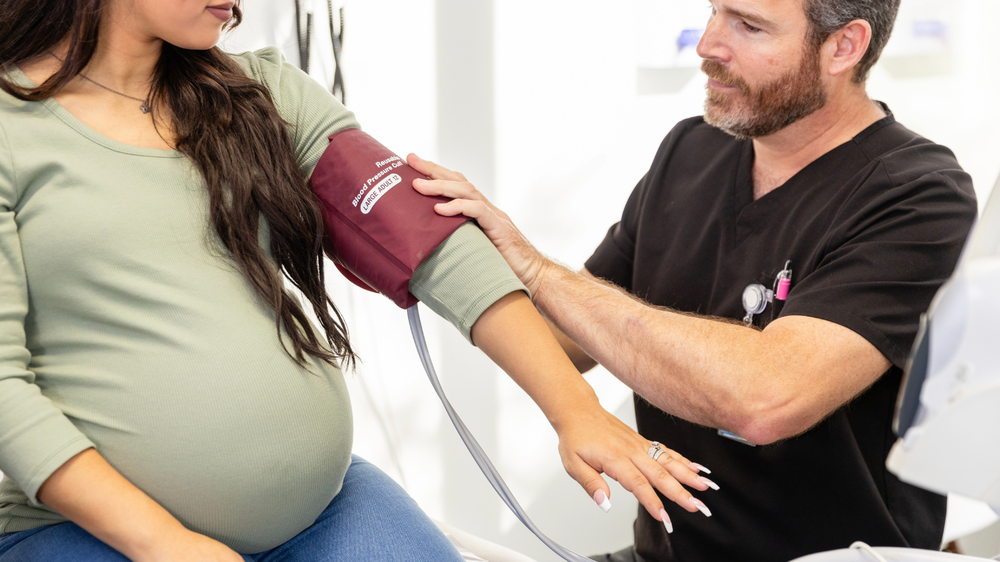
Preeclampsia is characterised by high blood pressure (BP≥140/90 mm Hg) after 20 weeks of pregnancy. Most Indian women juggle family responsibilities and workplace pressures on a daily basis. This raises their chances of developing high blood pressure. If left unmanaged, preeclampsia can lead to maternal fatality and complications like restricted foetal growth or preterm birth.
The good news is that finding a balance is possible. Research consistently shows that healthy lifestyle choices can lower preeclampsia risk or delay its onset.
What Does Preeclampsia Mean for Your Body and Who’s at Risk?
Preeclampsia is a warning sign that your foetus needs extra care. While doctors monitor your protein levels and pressure closely, understanding the signs helps you take charge of your health.
This condition is frequently associated with specific physical and emotional symptoms, such as:
- Fluid Retention: Sudden swelling in the face and hands that feels different from normal pregnancy "puffiness."
- Systemic Stress: Changes in metabolism due to high glucose or salt intake.
- Emotional Fatigue: High cortisol levels (the stress hormone) can sometimes trigger or worsen blood pressure spikes.
- First-time pregnancy
- Obesity or a high pre-pregnancy body mass index (BMI)
- A previous history of preeclampsia
- Carrying twins or multiple babies
- Pre-existing conditions such as diabetes, kidney disease, or chronic high blood pressure
- Being over the age of 35
- A family history of preeclampsia
5 Natural Ways to Support Preeclampsia Prevention
While medical supervision is non-negotiable, these natural lifestyle and emotional supports can help you maintain a healthy vascular system during your pregnancy.
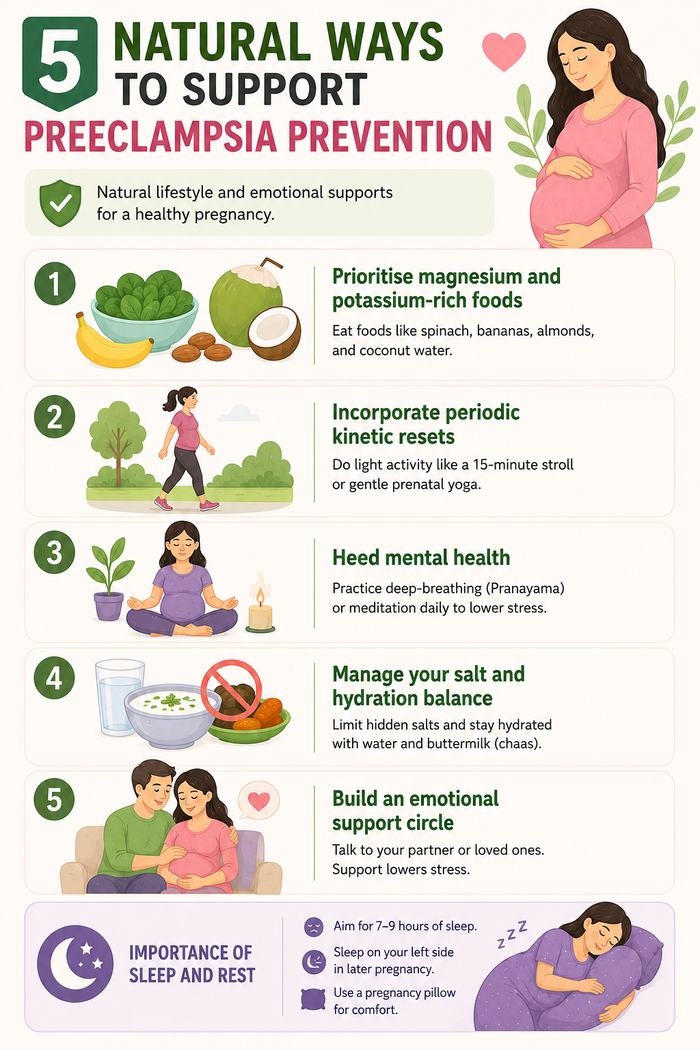
1. Prioritise magnesium and potassium-rich foods
Replace processed snacks with traditional Indian foods rich in magnesium and potassium, such as spinach (palak), bananas, almonds, and coconut water. These minerals help your blood vessels relax and improve circulation, reducing the strain on your heart.
2. Incorporate periodic kinetic resets
Gentle movement is a natural way to help your body regulate pressure. Engage in light activity, such as a 15-minute stroll in a nearby park or gentle prenatal yoga. Regular, low-impact movement prevents blood from pooling in your legs and helps maintain a healthy weight throughout your gestation.
3. Heed mental health
Your mental health can have physiological impacts. High stress can lead to blood pressure spikes. A study published in Frontiers in Psychology (2025) found that adverse emotional states — including anxiety, depression, and chronic stress — can cause blood vessel constriction throughout the body, progressively raising blood pressure. Another review of literature published in PMC found that women with depression or anxiety had over three times greater predilection to developing preeclampsia compared to women without these conditions.
Try to take time out each day for deep-breathing exercises (Pranayama) or guided meditation. Creating a "calm zone" helps lower your heart rate and provides a peaceful environment for your baby to grow.
4. Manage your salt and hydration balance
While you don’t need to cut down on salt entirely, avoiding "hidden" salts in pickles (achaar), papads, and ultra-processed snacks is helpful. Aim to stay consistently hydrated with water and buttermilk (chaas). Proper hydration helps your kidneys flush out excess salt, keeping your blood volume at a healthy level.
5. Build an emotional support circle
Pregnancy can cause exhaustion and make you feel alone in your worries. Don't hesitate to communicate your fears to your partner or a close family member. Research consistently shows that good social support is one of the strongest protective factors in maternal health.
Sharing the emotional load reduces the physiological burden of stress. Often, simply feeling "heard" can significantly lower your baseline stress levels.
Importance of Sleep and Rest
Adequate sleep is essential, especially during pregnancy. Poor sleep quality and sleep disorders such as sleep apnoea have been associated with a higher risk of gestational hypertension and preeclampsia.
Try to get 7–9 hours of sleep per night. Sleeping on your left side is often recommended in the later stages of pregnancy, as it improves blood flow to the placenta and kidneys. Using a pregnancy pillow can make this more comfortable.
When to Contact Your Gynaecologist?
While natural prevention goes a long way, please consult your gynaecologist or visit a hospital immediately if you notice:
- A severe, persistent headache that doesn’t go away with rest.
- Sudden "flashes" of light or blurred vision.
- Intense pain just below the ribs on your right side.
- Significant, sudden swelling of the face, eyes, or hands.
How Can You Support This Phase?
Be Kind to Yourself: You are doing a wonderful job navigating the complexities of pregnancy. Remember that resting when you are tired is not "laziness"—it is a medical necessity for your blood pressure.
Ask for Help with Daily Chores: In many Indian households, women feel pressured to manage all domestic tasks. Remember, you can always delegate. Whether it’s grocery shopping or heavy cleaning, letting others take on some of the domestic chores allows your body to focus its energy on a healthy pregnancy.
Whether you’re pregnant, a new mom, or navigating postpartum, you don’t have to do it alone. Join our support group to connect, share, and support one another.
FAQs on Preeclampsia Prevention: 5 Natural Ways to Support a Healthy Pregnancy
- Can stress actually cause preeclampsia?
While stress may not be the sole cause of preeclampsia, chronic high stress increases your blood pressure and heart rate. Thus, it can heighten your risk if you are already predisposed to the condition. - Are there specific Indian herbs that help?
While garlic (lehsun) is known for its heart-health benefits, always consult your doctor before taking any herbal supplements during pregnancy, as they can interfere with other medications. Certain herbs may also cause gastrointestinal issues or an allergic reaction. Hence, taking them with your gynaecologist’s supervision is recommended.