In this article:
What Is Pregnancy Gingivitis?
During pregnancy, many women notice their gums becoming red, swollen, or unusually sensitive. This condition is known as pregnancy gingivitis. It happens when the gums become inflamed due to a build-up of plaque, the sticky layer of bacteria that naturally forms on your teeth.Your body produces higher levels of progesterone and oestrogen while you’re pregnant, which makes your gums more sensitive and responsive to irritation. As a result, even normal brushing can sometimes cause discomfort or light bleeding.
Pregnancy gingivitis usually develops between the second and eighth months of pregnancy, with symptoms often peaking during the second trimester. Most cases are mild and tend to improve on their own after childbirth, but staying on top of them can help prevent more serious problems.
Why Does Pregnancy Gingivitis Happen?
Several factors during pregnancy can contribute to gum problems:- Hormonal changes: Increased oestrogen and progesterone make gums more sensitive and reactive to plaque.
- Increased blood flow: Blood flow to the gums rises, softening the tissues and making them more likely to swell.
- Morning sickness or fatigue: Feeling nauseous or tired can lead to skipping thorough brushing, allowing plaque to build up faster.
- Dietary cravings: Cravings for sweet or sticky foods feed plaque bacteria, increasing the risk of gum irritation.
What Are the Common Signs of Pregnancy Gingivitis?
Spotting the early signs of pregnancy gingivitis can make a big difference in keeping it under control:- Bleeding gums: Gums may bleed a little when brushing. It can be alarming, but it’s quite common during pregnancy.
- Red, puffy, or shiny gums: Your gums may look more inflamed than usual and feel swollen to the touch.
- Tenderness: Gums may be sensitive, making certain foods uncomfortable to eat.
- Persistent bad breath: A lingering unpleasant smell even after brushing and cleaning your teeth.
- Gum recession: In some cases, gums may start to pull back slightly from the teeth.
- Epulis gravidarum: Small, soft lumps that sometimes appear, usually near the upper front teeth. These are harmless and often fade after birth, but can bleed if touched.
Can Pregnancy Gingivitis Harm Your Baby?
Mild gum inflammation on its own is usually not dangerous for your baby. A little redness or swelling is common during pregnancy, and there’s no evidence that it can cause miscarriage or early labour.The concern arises only if it’s left untreated. Mild gingivitis can progress to periodontitis, a deeper gum infection. At this stage, tiny spaces can form between your gums and teeth where bacteria can grow. These bacteria can enter the bloodstream and, in some cases, reach the placenta, causing inflammation that may affect your baby’s growth.
Research has shown that advanced gum disease is linked to a higher risk of preterm birth and babies being born with a lower birth weight. That's why it's important to keep an eye on your oral health as your pregnancy progresses.
What Are the Effective Treatments for Pregnancy Gingivitis?
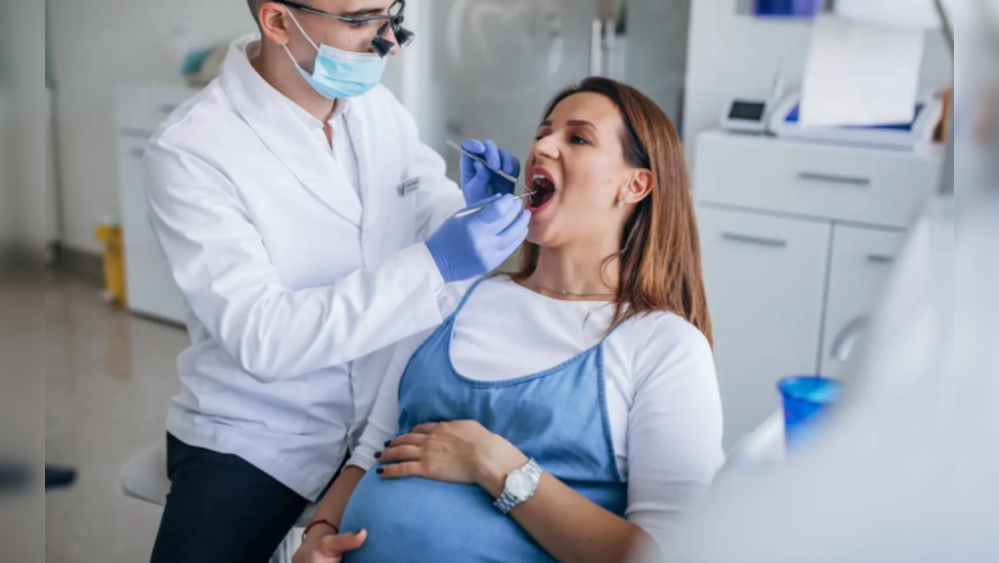
Managing pregnancy gingivitis starts with removing built-up plaque through professional care and maintaining good daily habits. These are the main treatment options:- Professional dental cleaning: A gentle cleaning removes tartar and bacteria, giving your gums a fresh start.
- Daily oral hygiene: Brush twice a day with a soft-bristled toothbrush and fluoride toothpaste.
- Warm saltwater rinse: Mix one teaspoon of salt in a cup of warm water, then gently swish to reduce inflammation and soothe gums.
- Prescription rinses or antibiotics (if needed): In more severe cases, your dentist may recommend a stronger rinse safe for pregnancy or antibiotics to treat infection.
- Scaling and root planing: In more severe cases, your dentist may perform a careful deep cleaning below the gumline to remove stubborn plaque and bacteria.
How To Prevent Pregnancy Gingivitis?
Pregnancy hormones naturally make your gums more sensitive, but you can take steps to protect them and keep them healthy:- Brushing twice a day is very important. Use gentle tools like a soft-bristled toothbrush for sensitive gums.
- Pick toothpastes and alcohol-free rinses that are specifically formulated to fight plaque and keep your gums healthy.
- Your gums need good nutrition just like the rest of your body. Fill your plate with fruits, vegetables, whole grains, and dairy.
- Limit sugary and sticky foods.
- If nausea or vomiting happens, rinse your mouth with water afterwards to neutralise acids that can erode enamel and irritate your gums.
- Avoid all forms of tobacco.
Whether you’re pregnant, a new mom, or navigating postpartum, you don’t have to do it alone. Join our support group to connect, share, and support one another.
FAQs on Pregnancy Gingivitis: Causes, Symptoms, and Treatment Tips
- Can pregnancy gingivitis affect my teeth?
Yes, if left untreated, pregnancy gingivitis can progress to periodontitis. It is a deeper gum infection that may loosen teeth or increase the risk of tooth loss. - Is it safe to have dental procedures during pregnancy?
Yes, dental procedures are generally safe during pregnancy when proper precautions are taken.