In this article:
What Is Ileus and How Does It Affect the Digestive System?
Ileus occurs when the intestines temporarily slow down or stop moving food and gas forward. Unlike a bowel obstruction, ileus does not involve a physical blockage. Ileus is more like the digestive system “going on a short break.”Ileus may have several effects on the body, including:
- Slower movement of food: This can make digestion feel sluggish or uncomfortable.
- Build-up of gas: It can lead to bloating or fullness in the abdomen.
- Reduced appetite: This is a feeling of fullness or bloating that may make eating less enjoyable.
What Does “Ileus When Pregnant” Mean?
During pregnancy, our hormones naturally relax muscles throughout the body. Hormones can also cause relaxation of the digestive tract. This can slow intestinal movement.For expecting parents, noticing bloating, mild constipation, or fullness is often a normal part of pregnancy. But these signs can also sometimes indicate ileus. Understanding the difference is important to ease anxiety and ensure timely care.
Why Can Ileus Occur During Pregnancy?
The body undergoes several changes in pregnancy. Some of these changes can affect digestion. Some common contributing factors may include:- Hormonal changes: Increased progesterone during pregnancy relaxes the muscles of the digestive tract, which can slow normal bowel movement.
- Pressure from the growing uterus: As the uterus expands, it can press on the intestines and interfere with smooth digestion.
- Reduced physical activity: Less movement, especially in later pregnancy, may make the intestines more sluggish.
- Low fluid intake: Inadequate hydration can harden stools and slow the digestive process.
- Constipation: A common issue during pregnancy, constipation can worsen ileus if not addressed in time.
Why Is Ileus More Common After Delivery or Surgery?
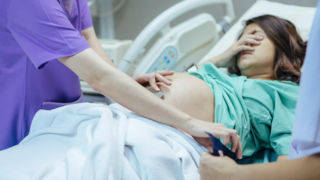
In many cases, ileus is commonly seen after childbirth, especially caesarean sections. C-section mothers are more at risk of ileus as their bodies are recovering from significant physical stress and surgical intervention. During this recovery phase, the digestive system may temporarily slow down as the body prioritises healing.Contributing factors include:
- Effects of anaesthesia: Anaesthetic medications used during surgery can temporarily reduce intestinal activity, slowing bowel movements.
- Pain medications: Certain pain-relief medicines, especially stronger ones, may further slow digestion and bowel function.
- Physical stress of labour and delivery: The body undergoes intense physical exertion during delivery. Hence, the digestive system may briefly pause while recovery begins.
- Reduced postpartum movement: Rest is essential after delivery. But limited movement can slow bowel activity.
What Are the Common Symptoms of Ileus in Pregnancy and Postpartum?
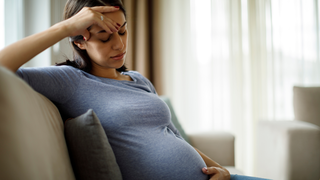
Ileus can present mildly or more noticeably. Parents often confuse it with normal postpartum or pregnancy changes.However, there are certain signs of ileus in pregnancy and postpartum to watch out for. These include:
- Abdominal bloating or fullness
- Nausea or occasional vomiting
- Constipation or inability to pass gas
- Reduced appetite
- Mild discomfort rather than sharp pain
How Is Ileus Diagnosed Safely During Pregnancy or After Birth?
Once a patient comes in with a complaint of experiencing digestive symptoms, doctors usually start with a physical examination and medical history. Often, this alone provides enough information.To diagnose ileus, a doctor may perform tests that include:
- Listening to bowel sounds: This helps determine how active the intestines are.
- Pregnancy-safe imaging tests: If more information is needed, X-rays or ultrasounds may be used safely.
- Ruling out other conditions: To ensure nothing more serious is causing the symptoms.
When Should a Pregnant or Postpartum Woman Seek Medical Help?
In most cases, ileus in pregnancy may resolve with simple care. However, urgent attention is needed if certain symptoms appear or become worse.- Signs that require medical care:
- Severe or increasing abdominal pain
- Persistent vomiting
- Inability to pass stool or gas for several days
- Worsening abdominal swelling
How Is Ileus Treated During Pregnancy and Postpartum?
Treatment for ileus focuses on gentle, supportive measures to help the intestines start moving again. Common treatment approaches for ileus include:- Adequate hydration: Drinking enough water helps soften stools and improve digestion.
- Dietary adjustments: Small, frequent meals and easily digestible foods can reduce bloating.
- Gentle movement: Short walks stimulate intestinal activity without straining the body.
- Safe medications: Only used when necessary and carefully selected for pregnancy or postpartum use.
What Can Help Prevent Ileus When Pregnant or After Delivery?
While ileus cannot always be avoided, certain steps can reduce the risk. These preventive measures include:- Staying hydrated: Water and fluids keep digestion smooth.
- Eating fibre-rich foods: Fruits, vegetables, and whole grains help prevent constipation.
- Moving gently: Light activity supports normal bowel function.
- Managing constipation early: Using safe remedies or consulting a doctor helps prevent slowing of digestion.
- Following post-surgery instructions: Careful adherence to the doctor’s postpartum instructions reduces complications after caesarean sections.
Can Lifestyle and Diet Support Digestive Recovery?
Yes, simple daily habits can support the digestive system. Some easy-to-follow lifestyle and dietary tips include:- Eating small, frequent meals is easier for the intestines to process.
- Eating easily digestible foods. Avoiding very greasy or heavy meals initially.
- Avoiding gas-forming foods at first. Beans, carbonated drinks, and cruciferous vegetables can worsen bloating.
- Listening to the body. Taking rest when needed, but combining it with gentle movement is important.
Is Ileus a Long-Term Problem for Mothers?
For most women, ileus is temporary. With proper care and monitoring, the digestive system returns to normal within days to weeks.Reassurance for parents: Long-term digestive problems from ileus are uncommon, and gentle care during recovery usually ensures full healing.
Digestive slow-downs during pregnancy or postpartum can be uncomfortable. But understanding ileus when pregnant or after birth helps parents respond calmly. With awareness, gentle self-care, and timely medical support, most mothers experience a smooth recovery without long-term effects. New parents can feel confident knowing that with simple measures and professional guidance, ileus is usually manageable and temporary.
Whether you’re pregnant, a new mom, or navigating postpartum, you don’t have to do it alone. Join our support group to connect, share, and support one another.
FAQs on Understanding Ileus in Pregnancy and Postpartum: Causes, Prevention, and Treatment
- Can an ileus in pregnancy resolve on its own?
Yes, in some cases, with proper care, ileus may resolve on its own. However, it is always best to seek advice from a gynaecologist about ileus treatment and management. - How to know if ileus is resolved?
Ileus is considered resolved when gas or stool starts passing normally, and bloating or discomfort reduces. Appetite and digestion also begin to feel more normal. - Should I take laxatives if you have an ileus?
If you are pregnant or have delivered recently, do not take any laxatives for ileus without your doctor’s advice.