In this article:
The reason is that they are still learning to manage heat, and they sense temperature in a completely different manner inside the womb. Understanding how babies sense and control temperature can help you care for them better.
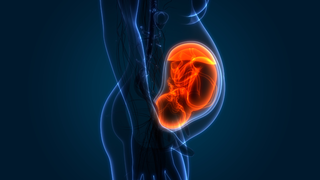
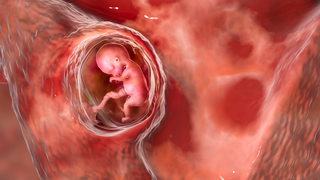
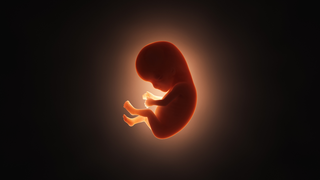
Inside the Womb, Temperature Never Changes Much
Your baby lives in a perfectly warm environment before birth. The womb remains slightly warmer than the outside world, and your core temperature further helps maintain it.- Your baby never feels cold
- Your baby never feels heat the way you do
- The temperature around them barely changes
Babies Don’t Need to Sweat or Shiver in the Womb
Your body controls temperature in the following ways:- Sweating to cool down
- Shivering to warm up
- Blood flow changes that release or hold heat
Their sweat glands are present, but they do not function yet. Their muscles cannot shiver to produce heat, and the brain’s temperature-control centre is still immature.
So, your baby does not experience “feeling hot” or “feeling cold” while inside you.
Babies Don’t Sense Temperature the Same Way Adults Do
Babies do not recognise temperature changes as quickly as adults, even after birth. Their nervous system is still growing, and the part of the brain that senses heat and cold is not fully developed.Here’s what this means for your baby:
- They may not cry immediately when they feel cold
- They may not react clearly to being overheated
- They rely on you to adjust their clothing and environment
Babies Lose Heat Faster Than Adults
Things change drastically once your baby is born. They leave the warm womb and enter a world that may feel cold. Their bodies are not good at holding heat yet.The following are the reasons for babies to lose heat quickly:
- They have a larger body surface area compared to their weight
- They have very little fat right after birth (except brown fat)
- Their skin is thin
- Their temperature control system is immature
Brown Fat Helps Babies Stay Warm—But Only For a Short Time
Babies have a special type of fat called brown fat, which is located around their back, neck, and shoulders. It produces heat when it is cold and also helps in the following ways:- Helps babies stay warm in the first hours and days after birth
- Supports temperature regulation while the body is still developing
- Activates when the baby is exposed to cooler temperatures
Babies Cannot Sweat Effectively
You can cool down by sweating, but your baby cannot because their sweat glands are not mature yet, which means the following things:- Babies overheat more easily
- They cannot cool themselves quickly
- They rely on caregivers to avoid overheating
Why Babies May Not Show Clear Signs of Temperature Discomfort
You can express your discomfort easily, but not your baby. You may have to look out for the following signs in your baby:- Being fussy or crying
- Having cold hands and feet
- Breathing fast if overheated
- Feeling unusually warm on the chest or back
Skin-to-Skin Contact Helps Babies Regulate Temperature
Skin-to-skin contact is one of the best ways to help your baby stay warm after birth. Your body adjusts to match your baby’s needs when they lie on your chest.- Your chest warms up if your baby is cold
- Your chest cools down if your baby is too warm
- Your heartbeat and breathing help stabilise your baby’s body
Why Babies Don’t Feel Cold or Hot in the Womb—But Do After Birth
The conditions are different inside the womb.- Your body controls all temperature changes
- Amniotic fluid insulates the baby
- The placenta regulates heat exchange
- The baby must learn to regulate their own temperature
- They rely on brown fat, skin-to-skin contact, and your care
- They are sensitive to temperature changes, but cannot react properly
Your baby may not sense hot or cold because their temperature-regulating system is still developing. But your body keeps everything perfectly stable for them inside the womb. They rely on warm clothing, blankets, and skin-to-skin contact to stay comfortable after birth. Knowing this can help you create a safe environment for their early hours of life.
Whether you’re pregnant, a new mom, or navigating postpartum, you don’t have to do it alone. Join our support group to connect, share, and support one another.
FAQs on Why Babies Don’t Feel Cold or Hot the Same Way as Adults?
- Why doesn’t a baby feel cold in the womb?
Your core, the placenta, amniotic fluid and hormones keep the womb warm and maintain a steady temperature for your baby. - Do newborns feel temperature changes easily?
Babies cannot control their body temperature, so they overheat and get cold easily compared to adults. - How do I know if my baby is too hot or too cold?
Always check your baby’s temperature by feeling their chest or back. If they feel sweaty or cold, adjust the clothing on them accordingly.