In this article:
During week 3, fertilisation has already occurred, the embryo is dividing, and implantation may be approaching, yet most changes happen silently at a cellular level. Understanding what occurs inside your body during this quiet stage can help you feel more confident and prepared as pregnancy begins.
Let’s explore why most women feel “nothing” in week 3 and what really happens behind the scenes.
What Happens in Week 3 of Pregnancy?
Week 3 marks a critical stage in early pregnancy when life begins at the cellular level. Many women feel nothing, yet necessary changes occur inside the body that lay the foundation for the baby’s growth.Fertilisation and Zygote Formation
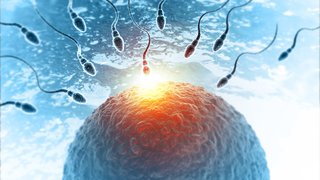
- A sperm meets the egg in the fallopian tube and forms a single cell called a zygote. The zygote carries genetic material from both parents, which determines traits such as eye colour, blood type, and other characteristics. At this moment, the blueprint for a new life exists, even though the cell is microscopic.
- The zygote divides quickly through mitosis, creating identical daughter cells. Each division increases the number of cells without enlarging the overall size. Within a few days, the zygote becomes a morula, a solid ball of cells, and then a blastocyst, a hollow structure with cells starting to specialise. The blastocyst travels through the fallopian tube toward the uterus while preparing for implantation.
- At the end of week 3, the blastocyst reaches the uterus and begins to embed in the uterine lining. Early pregnancy hormones, such as human chorionic gonadotropin (hCG), begin to rise, although levels remain too low for most women to feel symptoms. Implantation supports the continued growth of the embryo and establishes the start of pregnancy.
What are the Common Mild Signs Some Women May Notice?
Even though many women feel nothing in week 3, some may notice very subtle changes. These mild signs are typical and usually easy to miss.- Mild cramping in the lower abdomen
- Light spotting (implantation bleeding)
- Breast tenderness or sensitivity
- Slight fatigue or tiredness
- Mild mood changes due to early hormonal shifts
Why Symptoms May Not Appear?
Many women feel confused when an early pregnancy shows no apparent signs. Week 3 can pass quietly because most changes happen internally and hormone levels remain low. Here’s why symptoms often do not appear, which can help ease anxiety.Low Hormone Levels
- Human chorionic gonadotropin (hCG), oestrogen, and progesterone begin rising in week 3, but levels are usually too low to cause common symptoms such as nausea, breast tenderness, or fatigue. The body quietly prepares for the following stages of pregnancy without sending strong physical signals.
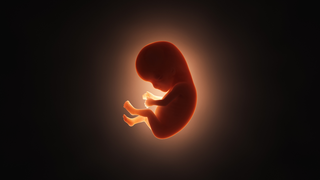
- The embryo measures only a few millimetres at this stage. Its small size means the uterus and surrounding organs do not change enough to create noticeable sensations in most women.
- Every woman’s body reacts differently to early pregnancy. Some notice subtle symptoms, such as mild cramping, light spotting, or breast sensitivity, while others feel nothing at all. Both experiences are entirely everyday.
- Most of the critical work in week 3 happens at the cellular level, including cell division and implantation. These internal processes rarely produce sensations, which explains why many women remain unaware that pregnancy has begun.
What to Do Next?
- Track your cycle and ovulation dates.
- Eat a nutrient-rich diet with folic acid, iron, protein, and antioxidants.
- Stay hydrated and rest adequately.
- Avoid alcohol, smoking, and unnecessary medications.
- Manage stress with gentle yoga, breathing exercises, or meditation.
- Schedule a preconception or early pregnancy check-up if needed.
You’re not alone in your journey when trying to conceive. Join our supportive community to connect with others, share experiences, and find encouragement every step of the way.
FAQs on Why Some Women Don’t Notice Anything in Week 3 of Pregnancy
- Is it normal to feel nothing in week 3?
Yes. Most women do not notice any symptoms at this stage. - When do early pregnancy symptoms usually appear?
Symptoms usually start between weeks 4 and 6, after implantation is complete. - Can mild cramping or spotting happen in week 3?
Yes, some women notice these signs, but many feel nothing at all.