Why You Cry More Easily During Pregnancy

You may be crying over little things easily these days that never affected you before. The thing is, emotional sensitivity is common during pregnancy due to hormonal changes, physical discomfort, mental load, and stress. You will feel more in control of your emotions once you understand why it happens. It will also help you navigate these changes more effectively with appropriate support and care.

Pregatips.com
crying easily pregnancy
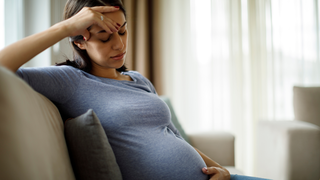
Pregnancy can bring out confusing emotions in which you may feel joyful one moment, but cry the next. You may tear up over a silly moment or feel overwhelmed by small things. Crying is not a weird reaction when you are pregnant. It is actually way more common, especially in the first and third trimesters. You can manage your emotions more effectively once you understand why you cry.

What Makes Your Emotions More Sensitive During Pregnancy?

There are several physical and psychological reasons for crying easily.

How Do Hormones Influence Your Emotions?

Your body produces higher levels of hormones like oestrogen, progesterone, and HCG during pregnancy. These hormones affect your brain chemicals related to mood.

  • Oestrogen can increase emotional sensitivity
  • Progesterone may make you feel more tired or low in energy
  • Rapid hormonal changes can cause sudden mood swings
These hormonal fluctuations are among the main reasons for crying during the first 12–14 weeks.

Does Physical Discomfort Make You More Emotional?

Your body works harder than usual as your pregnancy progresses, which can lead to the following signs.

  • Increased fatigue
  • Nausea or vomiting
  • Back pain
  • Sleep disturbances
  • Frequent urination
You may feel overwhelmed by your emotions when you are physically uncomfortable and unable to rest properly. Even the slightest inconvenience can feel overwhelming because your body is already managing so much.

Are Your Daily Responsibilities Adding Pressure?

Pregnancy does not mean you hit a pause on your responsibilities. You may still have to manage household chores, work, finances, or older children. So, your emotions may feel a bit intense as you have to balance everything, along with pregnancy symptoms.

The following changes that you may experience only add to the worry:

  • Wondering whether you are ready for motherhood
  • Financial changes
  • Labour and delivery
  • Body image
  • Changes in relationships
This emotional load can increase episodes of crying when you are already tired or overstimulated.

Why Do Small Things Feel Bigger During Pregnancy?

Is Your Brain Becoming More Emotionally Alert?

Pregnancy can heighten your senses, such as touch, smell, hearing, and emotional awareness. You may feel affected by situations that you once ignored. It is a natural way to prepare your body to care for your baby.

Does Overthinking Play a Role?

Your mind may quickly shift to worries or negative thoughts when hormonal changes mix with mental pressure. You may react emotionally to such situations, including crying.

Could Crying Be Linked to Mental Health?

Crying frequently may signal that something else is going on in your body.

When Should You Be Concerned?

  • Crying almost every day
  • Feeling disconnected or hopeless
  • Loss of interest in things you once enjoyed
  • Difficulty bonding with the pregnancy
  • Changes in appetite or sleep
  • Excessive guilt or worrying
Around 10–15% of pregnancy cases report prenatal anxiety or prenatal depression. The most important thing is not to hesitate and to seek treatment and support immediately.

What Helps You Manage Emotional Ups and Downs?

Keeping your emotions in check may seem difficult, but there are some tips that can help you manage them.

How Can You Take Care of Yourself Emotionally?

  • Try to sleep 7–9 hours a night, as good rest regulates mood hormones.
  • Keep your blood sugar levels stable, which will help you manage your emotions.
  • Walking, stretching, or prenatal yoga can reduce stress hormones.
  • Deep breathing, meditation, or calm music can uplift your mood.
  • Share your feelings with your partner, family, or a friend to reduce emotional load.

How Can Your Partner Support You?

Emotional support can be a great help in improving how you feel, so encourage your partner to do the following:

  • Listen without judgment
  • Help with daily tasks
  • Attend prenatal visits with you
  • Understand that crying is a normal pregnancy response

What Warning Signs Should You Watch Out For?

You should contact your doctor under the following circumstances:

  • You feel overwhelmed most days
  • You are crying excessively without clear triggers
  • You feel detached from your pregnancy
  • You experience panic attacks
  • You notice thoughts of self-harm or harming others

What Can You Do Next? A Quick Checklist:

  • Accept your emotions.
  • Track your crying episodes if they feel excessive.
  • Make time for rest and relaxing activities.
  • Speak with your partner or a loved one about how you feel.
  • Maintain prenatal appointments.
  • Seek professional help if crying affects daily life.

How Does Emotional Health Affect Your Pregnancy Journey?

Your emotional health is just as important as your physical health. Crying during pregnancy does not show your weakness. It simply means your body is responding to major changes.

You can cope with your emotions better when you feel supported during such sensitive times. Remember, this phase is temporary, and things will improve once you deliver the baby.

Crying is a completely normal reaction and is linked to hormonal changes, physical discomfort, and emotional adjustments during pregnancy. You can manage your emotions by taking simple steps to care for your emotional health. However, this is not possible without appropriate support and awareness. So involve your partner or family to unload your feelings and stay calm in your pregnancy journey.

Whether you’re pregnant, a new mom, or navigating postpartum, you don’t have to do it alone. Join our support group to connect, share, and support one another.

FAQs on Why You Cry More Easily During Pregnancy?

  1. Can crying too much affect the baby?
    Crying occasionally will not harm your baby. However, constant stress or feeling overwhelmed may indicate other mental health issues, so consult your doctor about it.
  2. Why do I cry more in the first trimester?
    You may experience significant hormonal changes in the first trimester, especially oestrogen and progesterone.
  3. How can I stop crying so easily during pregnancy?
    You can’t fully stop it, but you can manage it through rest, gentle exercise, good nutrition, emotional support, and speaking with a healthcare provider if needed.
How we reviewed this article
Our team continuously monitors the health and wellness space to create relevant content for you. Every article is reviewed by medical experts to ensure accuracy.