In this article:

What is Swaddling?
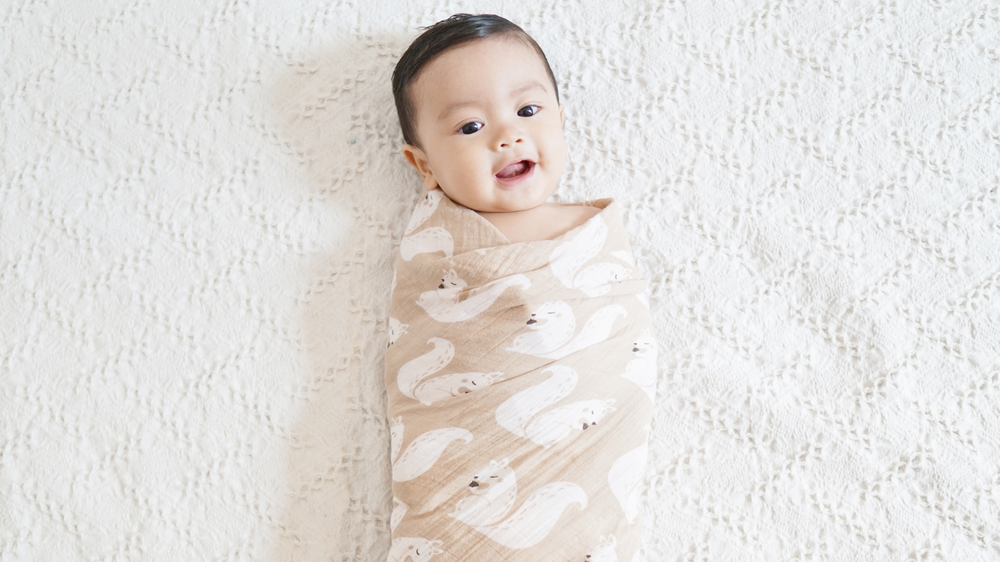
Swaddling means gently wrapping your baby tightly in a thin, lightweight blanket to create a sense of security and comfort. Often referred to as turning your baby into a “baby burrito,” this technique helps your child feel snug, similar to how they felt in the womb. It’s a time-tested method used for centuries to calm newborns and encourage better sleep.What are the Benefits of Swaddling?
Swaddling offers several advantages for you and your baby. This is why it’s worth trying:- Keeps your baby warm: Swaddling helps maintain your baby’s body temperature until their internal thermostat develops.
- Reduces the startle reflex: Swaddling prevents your baby from waking themselves up by limiting sudden arm and leg movements.
- Creates a sense of security: The snug wrap imitates the womb, helping your baby feel secure and relaxed.
- Soothes fussiness: Swaddling can comfort a colicky or unsettled baby when paired with swaying or gentle shushing sounds.
- Encourages longer sleep: Swaddled babies may wake less often and sleep for longer stretches.
When to Swaddle Your Baby
Swaddling is ideal for newborns from birth until they start attempting to roll over, typically around 2 to 4 months. You can swaddle your baby for:- Nighttime sleep promotes restful slumber.
- Naps to maintain consistency and create a womb-like feeling.
- Moments of fussiness or colic can help calm them.
How to Swaddle A Newborn Step by Step
Swaddling may seem tricky at first, but you’ll master it with practice. Follow these steps for a safe and snug swaddle:- Prepare the blanket: Lay a lightweight, square blanket on a flat surface (like a bed or changing table) in a diamond shape. Fold the upper corner down about 15 cm to create a straight edge.
- Position your baby: Lay your infant on their back with their head resting just above the folded edge of the blanket and their body extending toward the bottom corner. Make sure the blanket doesn’t touch their cheek to avoid triggering the rooting reflex.
- Secure the left arm: Gently straighten your baby’s left arm along their side. Take the blanket about 10 cm from their left shoulder, pull it tightly across their body, and tuck it under their right side and back. The left arm should now be covered, with the right arm free.
- Fold the bottom: Lift the bottom corner of the blanket over your baby’s feet and gently tuck it under the fold near their chin or behind their right shoulder. Keep this part loose enough to allow leg movement.
- Wrap the right side: Gently straighten your baby’s right arm along their side. Pull the remaining right corner of the blanket across their body and tuck it snugly under their left side. Twist any excess blanket at the bottom and tuck it under to secure the swaddle.
- Check the fit: The swaddle should be snug but not too tight. There should be enough space to slide two to three fingers between your baby’s chest and the blanket, and their hips and legs should have room to move freely.
How to Choose the Right Swaddle
The type of swaddle you use matters for your baby’s comfort and safety. Consider these options:- Blanket: Use a lightweight, breathable material like cotton, muslin, or a cotton blend to prevent overheating. A large, thin blanket works well for traditional swaddling.
- Swaddle wrap or sack: Ready-made swaddle wraps with Velcro or zippers are easier to use and less likely to come loose. They provide the same benefits without the need for folding or tucking.
- Receiving blanket: The blanket you used to bring your baby home from the hospital can double as a swaddle blanket.
- Sleeping bag: An infant sleeping bag is a great alternative once your baby starts rolling. Check that it’s fitted to your baby’s size and has an appropriate TOG rating for warmth.
When to Stop Swaddling
It’s time to stop swaddling as soon as your baby shows signs of trying to roll over. This typically occurs between 2 and 4 months. Continuing to swaddle a rolling baby increases the risk of suffocation or SIDS if they roll onto their stomach or the blanket comes loose.Swaddling is a fantastic way to help your newborn feel secure, calm, and ready for sleep. You can create a comforting environment that mimics the womb by following the proper technique and safety guidelines. You’ll soon be swaddling like a pro with a bit of practice and patience to help your little one get more rest!
Whether you’re pregnant, a new mom, or navigating postpartum, you don’t have to do it alone. Join our support group to connect, share, and support one another.
FAQs on How to Swaddle A Newborn Properly: A Step-by-Step Guide
- When should I stop swaddling my baby?
Stop swaddling once your baby begins showing signs of trying to roll over, usually between 2 and 4 months of age. - How tight should a swaddle be?
A swaddle should be snug across the chest but loose around the hips. You should be able to slide two to three fingers between your baby’s chest and the blanket.