In this article:
Understanding how to support your body’s natural ability to give birth will help you approach motherhood with confidence.
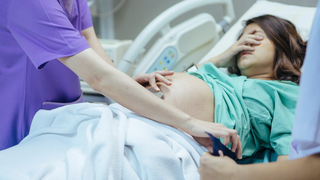
What Does a C-Section Mean for Your Recovery?
A C-section may sometimes be essential, such as in cases of placenta praevia or foetal distress. However, it has its cons; surgeries are associated with specific recovery factors, such as:
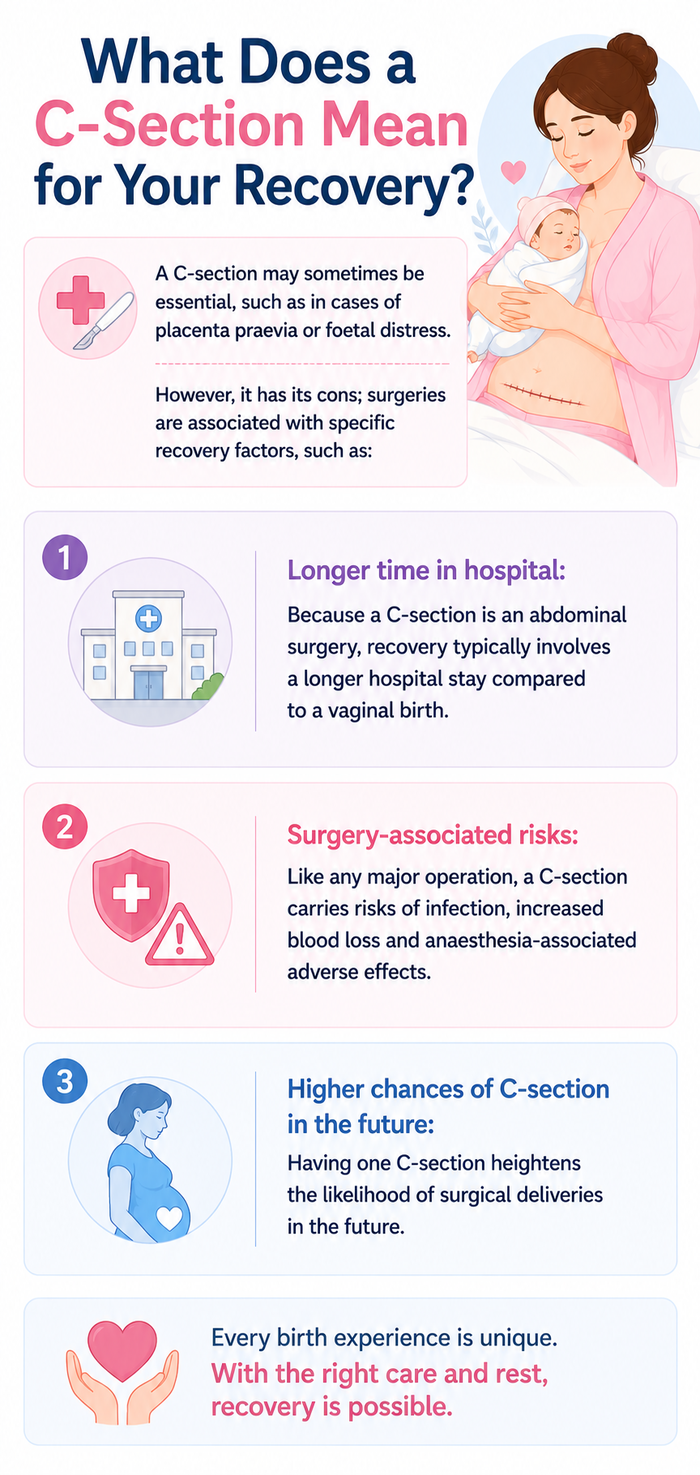
- Longer time in hospital: Because a C-section is an abdominal surgery, recovery typically involves a longer hospital stay compared to a vaginal birth.
- Surgery-associated risks: Like any major operation, a C-section carries risks of infection, increased blood loss and anaesthesia-associated adverse effects.
- Higher chances of C-section in the future: Having one C-section heightens the likelihood of surgical deliveries in the future.
5 Tips to Increase Chances of Normal Delivery Naturally
Small and consistent steps to fitness and minor lifestyle modifications can improve your chances for a natural delivery, such as:
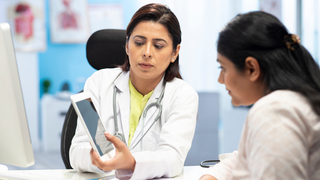
1. Choose a "Mother-Friendly" Birth Environment: It is advisable to choose a hospital or a nursing home that holds a good record and is hygienic. Look for gynaecologists who are supportive, as pregnancy can be a physiological and emotional roller-coaster. Also, find a gynaecologist who maintains a high rate of normal deliveries.
Discussing your preference for a natural birth early with your gynaecologist ensures that your doctor is aware of your expectations.
2. Stay Active: Movement is a natural way to help your baby settle into the correct position for birth. Pelvic-strengthening exercises, such as squats or brisk 20-minute walks, offer significant benefits. Staying active keeps your stamina high, which is essential for the physical demands of labour.
3. Practise Relaxation and Deep Breathing: Fear and tension can slow down labour by raising stress hormone levels. Engaging in deep-breathing exercises or prenatal meditation can enhance oxytocin production – the natural hormone that aids labour progression. Hence, focus on remaining calm, avoiding stress and try relaxation.
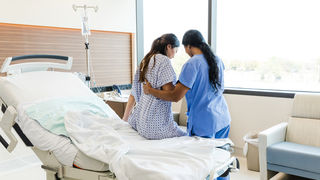
4. Educate Yourself on "Labour Support": Having a continuous support system, through your partner, a trained birth companion or an encouraging family member, can significantly lower the chances of surgical intervention. Emotional support soothes the physiological burden of pain and helps you stay focused and calm during delivery.
5. Prioritise Nutrition and Hydration: Incorporate a balanced diet rich in iron, calcium, and fibre into your daily meals. This will help maintain your energy levels. Adequate hydration and nutrition, especially during the final weeks of pregnancy, ensure that you have the physical strength needed for a safe, natural delivery.
Why Does Your Doctor Recommend a C-Section?
A C-section may be advised to you for specific reasons, such as:
- The baby is in a breech (feet-first) or transverse (sideways) position.
- Your gynaecologist detects signs of fetal distress.
- The placenta is covering the cervix (placenta praevia).
- Labour has stopped progressing.
Additional Measures to Support a Normal Delivery
- Prioritise Your Well-being: Navigating the final weeks of pregnancy can be challenging. Focusing on your well-being during this phase allows you to set a healthy foundation for your recovery. Maintaining consistent, healthy habits as a routine prepares your body for delivery, be it natural or surgical.
- Ask for Professional Guidance: Do not hesitate to ask your gynaecologist about their C-section preference or their policy on labour induction. Having an open and transparent conversation can lower your delivery-related stress and make you feel more prepared.
Normal Delivery Preparation Checklist
- Discuss birth preferences early with your gynaecologist.
- Engage in daily 20-minute brisk walks or prenatal squats.
- Practise deep-breathing exercises to manage stress and boost oxytocin.
- Maintain a diet rich in iron and fibre.
- Choose a continuous support person for the labour process.
Whether you’re pregnant, a new mom, or navigating postpartum, you don’t have to do it alone. Join our support group to connect, share, and support one another.
FAQs on How to Increase Chances of Normal Delivery: 5 Tips to Avoid C-Section
- Can I have a normal delivery after a previous C-section?
In many cases, yes. This is known as a Vaginal Birth After Caesarean (VBAC). It depends on the reason for your first surgery and should be discussed thoroughly with your doctor. - Does walking really help in avoiding a C-section?
Yes, regular walking helps the baby’s head descend into the pelvis and maintains your cardiovascular health, which aids in a smoother labour. - How do I know if my hospital is "mother-friendly"?
Look for hospitals that follow the World Health Organization (WHO)-recommended birthing practices and have a proven track record of supporting normal deliveries over elective surgeries.