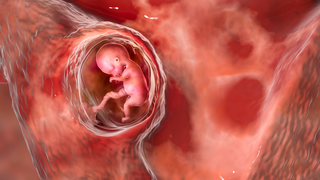
Pregnancy can feel like a miraculous blessing, which it truly is. Every stage of development requires a delicate balance of your hormones, whether it is heartbeat, movement or each growth milestone. Progesterone, also called the pregnancy hormone, is the one that leads to this developmental stage. But its most crucial role is helping the placenta grow strong to support your baby’s life.
In this article:
What Exactly Is Progesterone and Why Is It Important?
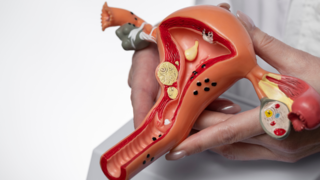
Progesterone is a natural hormone released by your body after ovulation each month. The corpus luteum (a temporary gland in your ovary) produces it during pregnancy, but the placenta takes over later. Its primary role is to create a favourable environment for your baby.But the other roles include calming your immune system and allowing the placenta to develop, which is your baby’s lifeline in the womb.
How Does Progesterone Support Placental Growth
Progesterone helps in multiple ways to support the growth and function of the placenta.Prepares the Uterus for Implantation
Promotes Blood Vessel Formation
Reduces Uterine Contractions
Regulates Immune Function
Supports Placental Hormone Production
What Happens If Progesterone Levels Are Low?
The following symptoms may appear if your progesterone levels drop and make it harder for the placenta to function properly.- Spotting or bleeding in early pregnancy
- Abdominal cramps
- Feeling of heaviness or pressure in the lower abdomen
- Fatigue or mood swings
How Can You Know If Your Progesterone Levels Are Healthy?
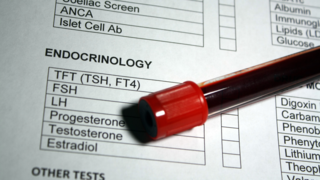
Doctors can track your levels through a simple blood test. The healthy range in the first trimester is around 10–44 ng/mL. If your doctor suspects low progesterone, they may suggest the following treatment:- Give supplements (in capsule, injection, or vaginal form).
- Check your hormone levels regularly to see the change over time.
- Use ultrasound scans to assess your baby's development and placental growth.
What Can You Do to Naturally Support Progesterone and Placental Health?
You cannot control the levels of progesterone, but try to maintain the normal levels through healthy habits.- Eat a balanced diet so that you can get zinc, vitamin B6, and magnesium (like nuts, leafy greens, and whole grains).
- Drink enough fluids to support blood flow to the placenta.
- High stress levels can interfere with hormone production, so try breathing exercises or prenatal yoga to bring them down.
- Get quality sleep every night to support hormonal balance.
- Stop smoking and drinking alcohol, as they can hinder placental and fetal development.
When Should You See a Doctor?
The following signs make it necessary for you to visit your doctor:- Abnormal vaginal bleeding
- Severe cramps or pain
- Dizziness or fainting
- Reduced foetal movements in later pregnancy
What To Do Next: A Quick Checklist?
- Track your pregnancy symptoms regularly
- Attend all prenatal check-ups
- Ask your doctor about progesterone testing if you have had previous pregnancy loss or early complications
- Maintain a balanced diet and stay active
- Talk about your emotional changes with your loved ones
Emotional & Social Aspects
Pregnancy hormones can be too overwhelming for your emotions. Although progesterone is known for its calming effect, the sudden fluctuations may lead to mood swings. Talk about your feelings with your partner when you are ready. After all, they are with you every step of the pregnancy. You can also reach out to your family member or a friend who faced a similar situation. It will ease your stress and make you feel less lonely.Progesterone does more than its primary role of supporting pregnancy. It also steps in to prepare your uterus and build the lifeline of your baby to help them survive and grow for nine long months. The placenta develops properly with the help of progesterone and lays the foundation of healthy growth for your baby.
Whether you’re pregnant, a new mom, or navigating postpartum, you don’t have to do it alone. Join our support group to connect, share, and support one another.
FAQs on How Progesterone Helps the Baby’s Placenta Grow
- When does the placenta start producing progesterone?
The placenta begins to produce progesterone when you are around 10 to 12 weeks pregnant. It is responsible for maintaining steady production and hormonal balance. - Can progesterone supplements help prevent miscarriage?
Progesterone supplements are given if there is a risk of early pregnancy loss due to low levels or other complications. However, take supplements only after asking your doctor about them. - Are there natural ways to boost progesterone?
A routine of healthy habits, such as a balanced diet, hydration, stress management, good sleeping patterns and avoiding smoking or alcohol, can help you balance your hormones.