In this article:
Your doctor will check the type of cut (incision) made during your previous C-section. This incision is not the scar visible on the skin, but the one that is made on the uterus. It can directly impact the success of a VBAC and influence your birthing plan.
What Is a VBAC and Why Do Many Women Choose It?
VBAC stands for Vaginal Birth After Cesarean, which means you can give birth vaginally after undergoing a C-section for your previous delivery. It is common due to the following reasons.- Recovery is quicker and less painful than surgery
- There’s a lower risk of infection and blood loss
- It can help you heal emotionally after a difficult first birth
- Future pregnancies may carry fewer complications
What Are the Different Types of Uterine Cuts in a C-Section?
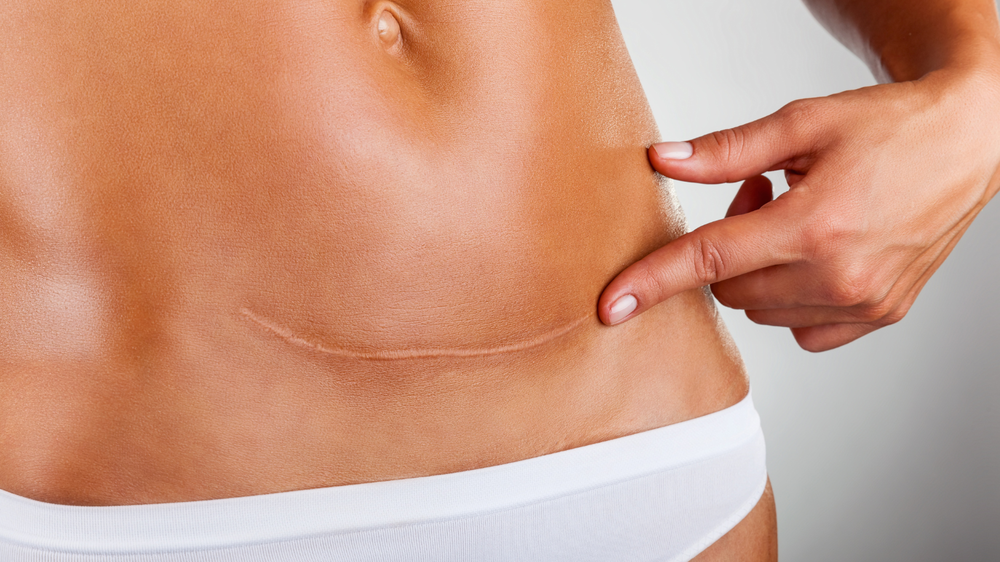
A C-section involves two cuts made by the doctor - one on your skin and another on your uterus. The incision on your skin heals, leaving a visible scar behind. However, it is the cut on your uterus that decides the success of VBAC.1. Low Transverse Incision (Horizontal Cut at the Lower Uterus)
- This is the most common and safest type for VBAC
- It’s a side-to-side cut made on the lower and thinner part of the uterus
- It heals properly and reduces the risk of uterine rupture during labour (less than 1% risk)
- If you have had this cut in an earlier C-section, it makes you a good candidate for a VBAC
2. Low Vertical Incision
- This is a straight-up-and-down cut made on the lower part of the uterus
- It is less common but carries a slightly higher risk of rupture compared to a low transverse cut
- Doctors may consider VBAC with close monitoring during labour
3. Classical (Vertical Upper) Incision
- This is a vertical cut made on the upper part of the uterus
- It is used in certain emergencies, such as when the baby is in a difficult position for birth or is premature
- Unfortunately, it has a higher risk of rupture (4–9%), which makes VBAC unsafe in most cases
How Can You Know Which Cut You Had?
You may not know what type of incision was made on your uterus, and that is okay. Your doctor can check your surgical records from your previous C-section to gather necessary information. They may recommend an ultrasound or other imaging tests to identify the cut if you do not have a medical record.Your doctor can make the best decision for the safe delivery of your baby only after knowing your incision type.
Why Does the Uterine Cut Type Affect VBAC Safety?
The biggest concern during a VBAC is uterine rupture, which is a rare complication where the cut from the previous surgery tears open during labour.A stronger scar (like from a low transverse cut) is less likely to tear, while weaker scars (like from classical incisions) have more risk. Uterine rupture can lead to heavy bleeding, which can be dangerous for both you and your baby. Therefore, understanding your incision type is so important.
What Are the Signs of Uterine Rupture to Watch For?
- Sudden pain in your abdomen
- Slowing or irregular baby heartbeat
- Vaginal bleeding
- Pain persists between contractions
- Low blood pressure or feeling faint
Can You Still Have a VBAC If You Had a Different Type of Cut?
A doctor may suggest a “trial of labour after cesarean” (TOLAC) under close supervision with a less common type of cut. Other factors that help your doctor decide are your overall health, the number of previous C-sections, and the baby’s position.If you get an approval for TOLAC, it will happen in a hospital where emergency C-section facilities are available in case labour does not progress.
What Can You Do to Improve Your Chances of a Successful VBAC?
- Stay active to build stamina, but only if your doctor approves it
- Maintain a healthy weight to reduce strain during labour
- Attend childbirth education classes that cover VBAC
- Maintain a positive mindset, as mental readiness is just as important as physical health
- Choose a doctor who understands and respects your birthing needs
Emotional & Social Aspects of VBAC Decisions
A VBAC is also an emotional choice for many, as it allows you to have a natural birth. This is something they could not do during their previous pregnancy. You may feel anxious, but also hopeful at the prospect of giving birth vaginally. Consult with your partner or doctor, regardless of how you feel.The type of uterine cut from your previous C-section is the main aspect in deciding whether a VBAC is safe for you. A low transverse incision has a higher success rate of VBAC, while others carry more risks. Remember, your and your baby’s safety matters the most, whether you deliver vaginally or through another C-section.
Whether you’re pregnant, a new mom, or navigating postpartum, you don’t have to do it alone. Join our support group to connect, share, and support one another.
FAQs on Why the Type of Previous C-Section Cut Matters in VBAC Decisions?
- Can I have a VBAC if I don’t know what type of cut I had before?
Your doctor will check your medical records or suggest imaging tests to understand the type of cut you have before planning a VBAC. - What are the chances of a successful VBAC?
The success rates for good candidates undergoing VBAC (with a low transverse cut) are around 60-80%. - Is VBAC safe after more than one C-section?
You may need extra care and monitoring of your health if you are planning to go ahead with VBAC after two C-section deliveries.