In this article:
Why UTIs May Rise During Monsoon in Pregnant Women
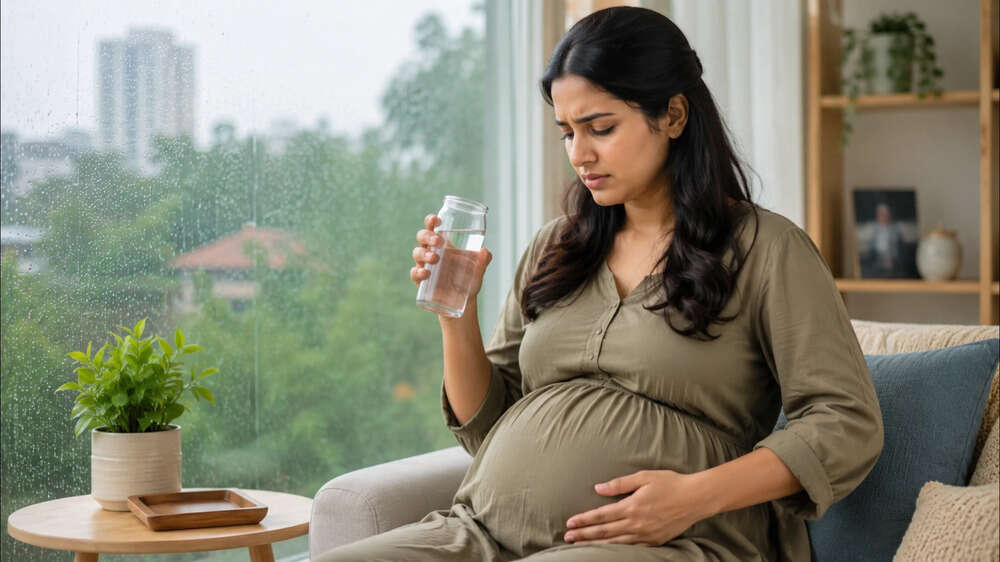
Here's what the doctor said.Urinary tract infections tend to become more common during the monsoon due to increased humidity, sweating, and a greater likelihood of dehydration.
When you sweat more and drink less water, urine may become concentrated. This can irritate the bladder and may make it easier for bacteria to multiply. Monsoon humidity can also make intimate hygiene harder, especially if clothes remain damp for long periods.
Why Pregnancy Increases UTI Risk
According to ACOG, UTIs are common during pregnancy and can range from asymptomatic bacteriuria to cystitis and pyelonephritis. As per the Merck Manual, pregnancy-related urinary stasis occurs because of hormone-mediated ureteral dilation and pressure from the expanding uterus.Pregnancy itself raises the risk of UTIs because hormonal changes slow urine flow and the growing uterus can make it harder to empty the bladder.
Symptoms You Should Not Ignore When Pregnant
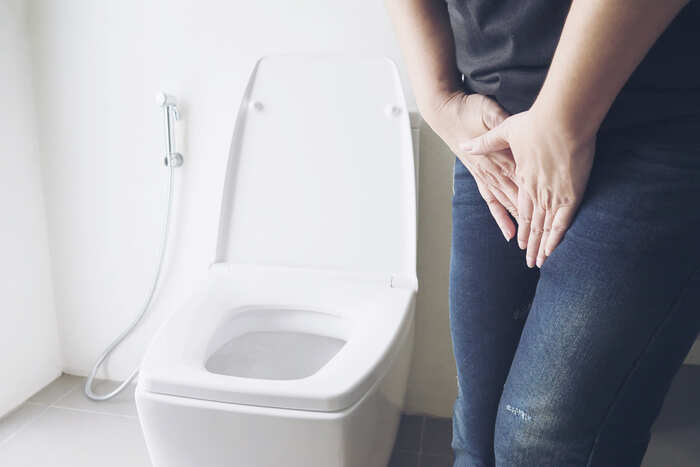
Dr Bharadwaj notes that UTIs may present with “burning during urination, frequent urination, lower abdominal discomfort, or fever.”Call your doctor if you notice:
- Burning or pain while passing urine
- Frequent urge to urinate
- Cloudy, foul-smelling or blood-stained urine
- Lower abdominal pain
- Fever, chills or back pain
- Feeling unwell or unusually weak
Why Prompt Treatment Matters
Untreated UTIs should not be ignored. Dr Bharadwaj warns, “Untreated UTIs can increase the risk of complications such as kidney infections and preterm labour.”ACOG also notes that pyelonephritis in pregnancy can have serious consequences, including preterm birth, sepsis and other complications.
How To Lower Your Risk
Here's how you can lower the UTI risk.- Drink enough water throughout the day
- Do not delay urination
- Change out of damp clothes quickly
- Maintain gentle intimate hygiene
- Avoid harsh washes or perfumed products
- Seek medical advice early for symptoms
FAQs On UTIs In Pregnancy During Monsoon
- Can A UTI Harm Pregnancy If Untreated?
Yes. Untreated UTIs may progress to kidney infection and can increase risks such as preterm labour, so medical treatment is important. - Can I Treat A UTI At Home During Pregnancy?
No. Do not self-medicate. Drink water, but contact your obstetrician for urine testing and pregnancy-safe treatment.