In this article:
Is Saunf Water Safe During Pregnancy?
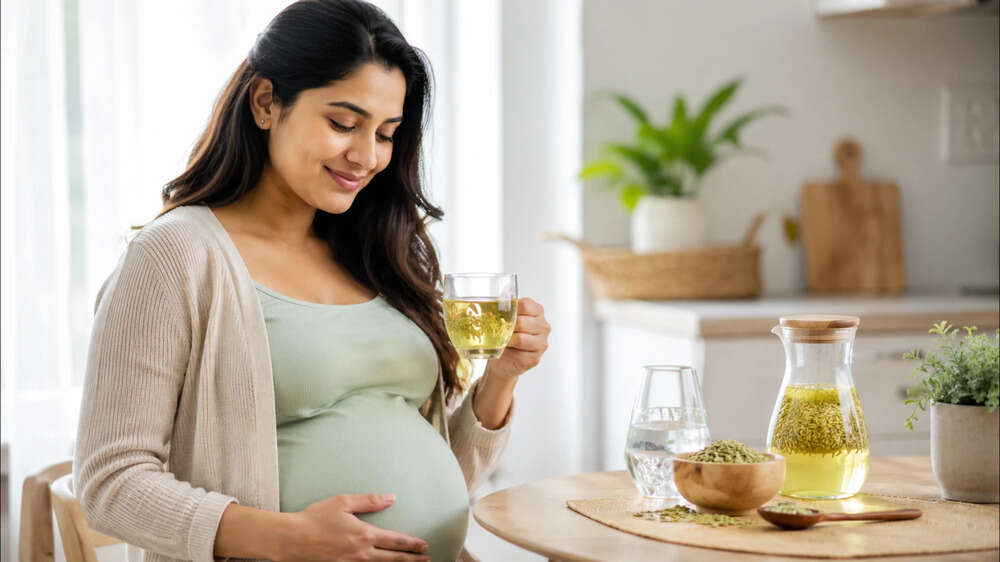
Dr Latika Singh, Consultant – Obstetrics and Gynaecology, Cloudnine Group of Hospitals, Greater Noida, says, “In moderate amounts, fennel used as a culinary spice is generally considered safe. Saunf water may help ease common digestive complaints such as bloating, gas, and mild indigestion.”According to ACOG, digestive issues such as gas, bloating and constipation are common in pregnancy due to hormonal changes and slower digestion. Saunf water may feel soothing for some women, but it should not replace medical advice.
5 Benefits Of Saunf Water
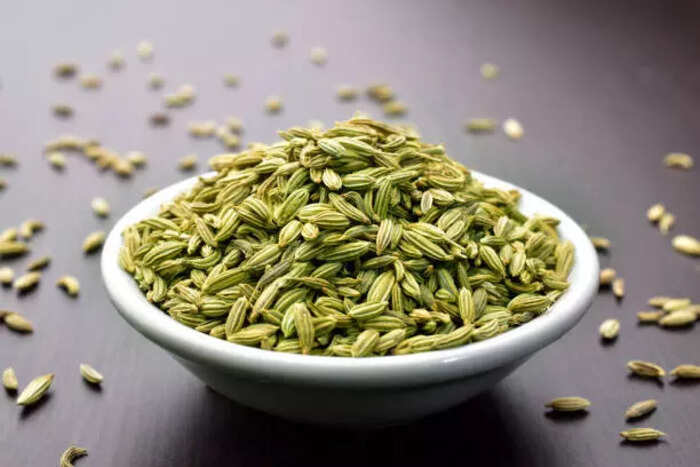
Saunf water, or fennel seeds soaked or boiled in water has some benefits:- May Ease Bloating: Fennel has traditionally been used for digestive comfort. As per a review in BioMed Research International, fennel contains plant compounds and has been studied for several traditional uses, including digestive effects.
- May Reduce Gas And Mild Indigestion: Dr Singh notes that saunf may help with “bloating, gas, and mild indigestion”, which are common pregnancy complaints.
- May Support Hydration: Lightly infused saunf water can encourage fluid intake. Dr Singh explains that hydration is important for “maintaining amniotic fluid levels, supporting circulation, and preventing constipation.”
- May Help With Nausea: Some women find the mild flavour easier to sip. However, Dr Singh cautions that evidence for nausea relief remains limited.
- Adds Antioxidants And Plant Compounds: Dr Singh says fennel contains “antioxidants, dietary fibre, vitamin C, potassium, and several plant compounds that may support overall digestive health.”
Why Moderation Matters
Moderation is key, when consuming saunf water.It is important to distinguish between culinary use and medicinal use. There is insufficient scientific evidence to recommend drinking concentrated saunf water daily or consuming fennel supplements throughout pregnancy.
This matters because fennel contains phytoestrogen-like compounds. As per WebMD’s pregnancy safety overview on fennel, larger medicinal amounts are not advised in pregnancy due to safety concerns.
How To Use Saunf Safely During Pregnancy
Here's how to consume saunf safely during pregnancy:- Keep it lightly infused
- Do not make it a strong decoction
- Avoid daily concentrated use
- Do not take fennel supplements unless prescribed
- Ask your doctor if you have a high-risk pregnancy or take medicines
FAQs On Saunf Water During Pregnancy
- Can I Drink Saunf Water Daily During Pregnancy?
Daily concentrated saunf water is not recommended unless your doctor approves it. Occasional light infusion may be acceptable. - Can Saunf Water Help With Pregnancy Bloating?
It may help with mild bloating or gas for some women, but persistent indigestion or pain should be discussed with your doctor.