In this article:
What Foods Are Choking Hazards for Babies
Foods that are firm, round, rubbery, slippery, small, springy, sticky, or tapered are difficult for babies to manage safely. This includes:Fruits and vegetables
- Whole grapes, cherry tomatoes, and berries
- Raw carrot, cucumber, and celery
- Corn kernels, cooked or raw
- Whole raisins and dried fruit
Proteins
- Nuts and seeds, including whole groundnuts, cashews, and almonds
- Peanut butter and thick nut pastes; a thick spoonful can stick to the roof of the mouth and block the airway
- Whole beans and legumes, rajma, chana, and similar whole pulses
- Sausages, thick meat, fish, or paneer chunks, check fish carefully for bones
- Large chunks or cubes of cheese, including string cheese and paneer
Grain products
- Popcorn
- Chips and similar crunchy snack foods
- Crackers or bread with whole seeds, nut pieces, or grain kernels
Sweetened foods
- Toffees, caramels, and chewing gum
- Marshmallows and gummy or chewy sweets
Why Are Babies More Prone to Choking Than Adults?
A baby's airway is significantly narrower than an adult's, and even a small piece of food can block it almost completely. According to research, air resistance rises sharply as airway width decreases; an object that would barely affect an adult's breathing can obstruct a baby's airway entirely.Babies cannot cough with the same force as adults, which makes it harder for them to dislodge food or an object on their own. Their back teeth, needed to grind food into a swallowable size, do not fully emerge until around age two to three; babies often try to swallow food whole rather than chewing it fully.
Choking in infants can also be silent, without the coughing or gagging seen in older children, which is why constant supervision during meals matters as much as food preparation.
Non-Food Choking Hazards Parents Often Miss
Babies choke on everyday household items such as batteries, coins, magnets, pen caps, pills, and stickers as often as they do on food.Floors and play areas should be checked regularly, especially in homes with older siblings, since many choking incidents happen when an older sibling shares food, toys, or small objects with a younger child.
How to Reduce Choking Risk at Every Meal
A few consistent habits at mealtimes lower choking risk:- Cook and prepare food to the right shape, size, and texture for your baby's stage of development.
- Avoid small, sticky, or hard foods that are difficult to chew and swallow.
- Cut round foods like grapes and cherry tomatoes lengthways, not into round coins.
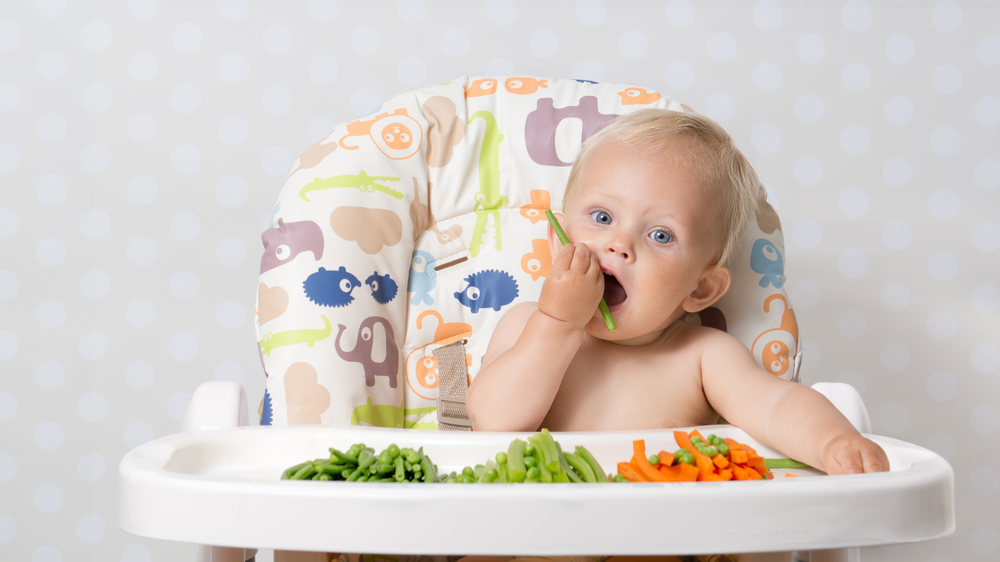
- Have your baby sit upright while eating, never lying down, crawling, or walking.
- Use a high chair or another stable, supported seat.
- Avoid feeding your baby in a moving car or pram.
- Keep mealtimes calm and unhurried.
- Avoid distractions such as screens, toys, or siblings playing nearby during feeds.
- Watch your baby closely throughout the meal, not just at the start.
- Pay attention to what your baby picks up and puts in their mouth, including on the floor or play mat.
- Keep small household objects such as coins, batteries, and buttons out of reach.
What to Do if a Baby Is Choking
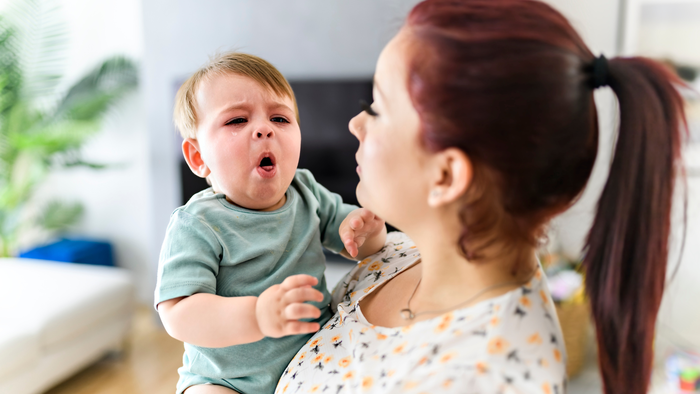
Knowing the correct steps helps parents act quickly and calmly if choking happens.- If the baby is coughing forcefully, let them continue coughing. A strong cough is usually the most effective way to clear the airway on its own.
- If the baby cannot cough, cry, or breathe, or is turning blue, give up to five firm back blows between the shoulder blades, followed by up to five chest thrusts.
- Call for emergency medical help immediately if the airway does not clear, or ask someone nearby to call while you continue the steps.
Whether you’re pregnant, a new mom, or navigating postpartum, you don’t have to do it alone. Join our support group to connect, share, and support one another.
FAQs on Choking Hazards for Babies: Foods to Avoid
- At what age can babies safely eat grapes?
Grapes can be introduced once a baby starts solids, but they must be cut lengthways and quartered, not just halved, until at least age four. - Are nuts safe for babies in any form?
Whole nuts are unsafe until age four. Finely ground nut powder or thin nut butter spread on toast is a safer alternative. - Can babies eat bananas safely?
Mashed bananas are soft and low-risk for babies under one year.