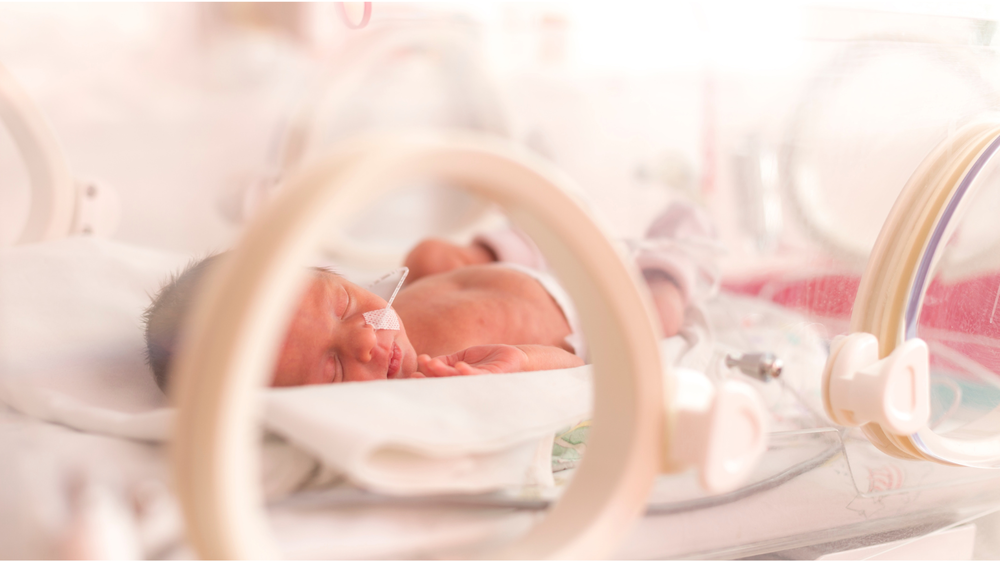
This condition is called retinopathy of prematurity (ROP). While some cases resolve naturally, others can progress and affect vision. This is why certain premature babies are offered regular eye examinations during their early weeks and months.
To better understand ROP, we spoke with Dr Abhishek Chopra, Senior Consultant – Paediatrician and Neonatologist at Cloudnine Group of Hospitals, Punjabi Bagh, New Delhi, about which babies are most at risk and the importance of timely eye screening.
What Is Retinopathy of Prematurity?
Retinopathy of prematurity (ROP) is a condition in which the blood vessels of a premature baby’s retina develop abnormally. The retina is the thin layer at the back of the eye that detects light and sends visual information to the brain.When retinal blood vessels do not develop properly, they may become fragile or grow in the wrong pattern. In more serious cases, this abnormal growth can cause bleeding or scar tissue that pulls on the retina.
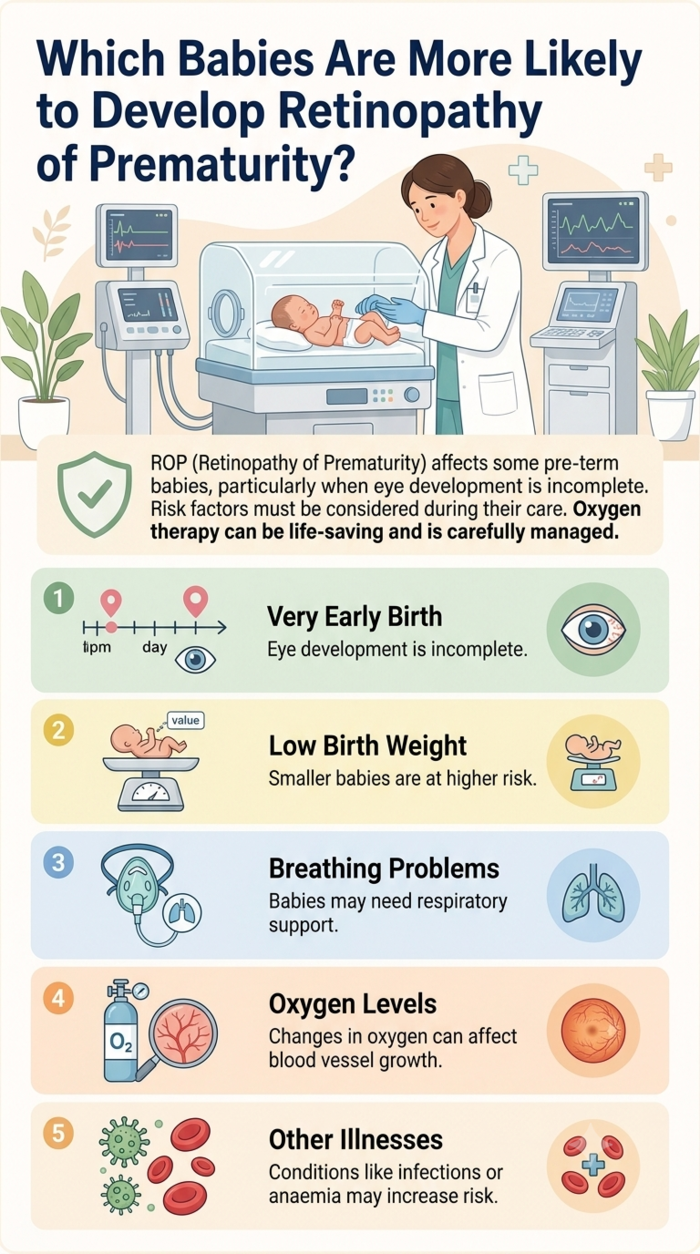
Which Babies Are More Likely to Develop ROP?
ROP may be more likely in the following situations:- Very early birth: The eyes are still developing.
- Low birth weight: Smaller babies have a higher risk.
- Breathing problems: Some babies need respiratory support.
- Oxygen treatment: Changes in oxygen levels may affect blood vessel growth.
- Other illnesses: Infections or anaemia may increase the risk.
Does ROP Have Symptoms?
One of the difficult things about ROP is that parents usually cannot identify it by looking at their baby. Early ROP often has no visible symptoms. A baby may appear comfortable and not show any obvious vision problems.“Even when a premature baby appears healthy and stable, ROP can develop without obvious warning signs. Timely eye screening allows us to identify changes early, when they can be monitored or treated before vision is affected.”
- Dr Abhishek Chopra, Senior Consultant – Paediatrician and Neonatologist at Cloudnine Group of Hospitals, Punjabi Bagh, New Delhi
How Is ROP Diagnosed?
Dr Abhishek Chopra explains that ROP is diagnosed through a detailed retinal examination by an ophthalmologist.The doctor checks:
- Blood-vessel development
- Abnormal vessel growth
- Area of the retina affected
- Whether the condition is improving or progressing
How Is ROP Treated?
If ROP becomes severe or reaches a stage where vision is at significant risk, treatment may be recommended.Depending on your baby's condition, treatment can include:
- Anti-VEGF injections: These medicines are injected into the eye to reduce signals that promote abnormal blood vessel growth.
- Laser treatment: A laser may be used to treat parts of the retina that have not developed normal blood vessels. This can reduce the abnormal growth that threatens the retina.
- Surgery: In advanced cases where the retina has partly or completely detached, surgery may be needed to help preserve the eye and remaining vision.
When Should You See a Doctor?
Speak with the doctor if:- Your baby was born very early or had a low birth weight
- An advised ROP screening was missed
- You notice unusual eye movements or poor visual response
- Your baby needed breathing support or prolonged NICU care
Whether you’re pregnant, a new mom, or navigating postpartum, you don’t have to do it alone. Join our support group to connect, share, and support one another.
FAQs on What Is Retinopathy of Prematurity and Which Babies Are at Risk?
- Can ROP affect a baby’s vision permanently?
Severe ROP can cause lasting vision problems if untreated. However, early detection and appropriate treatment can reduce the risk of serious damage. - Can ROP come back after it improves?
ROP can change during early development, which is why follow-up examinations are important until the ophthalmologist confirms that monitoring is no longer required. - Can ROP affect both eyes?
Yes. ROP can occur in both eyes, although its severity may differ between them. Doctors examine each eye carefully during screening.