In this article:
5 Pregnancy-Safe Mosquito Repellent Methods
1. Use a Pregnancy-Safe Insect Repellent
EPA-registered insect repellents containing active ingredients such as DEET, picaridin or IR3535 are considered safe and effective for pregnant women when used according to the label. CDC specifically recommends these products for preventing mosquito bites.2. Wear Full-Sleeved Clothing
Long-sleeved tops and trousers can reduce exposed skin and provide an additional physical barrier against mosquitoes. CDC recommends covering the arms and legs when protection from mosquito bites is needed. “Wear full-sleeved clothing,” Dr Bharadwaj says.3. Sleep Under a Mosquito Net
A mosquito net can provide a physical barrier while sleeping, particularly where mosquitoes are prevalent. Keeping doors and windows screened can offer another layer of protection.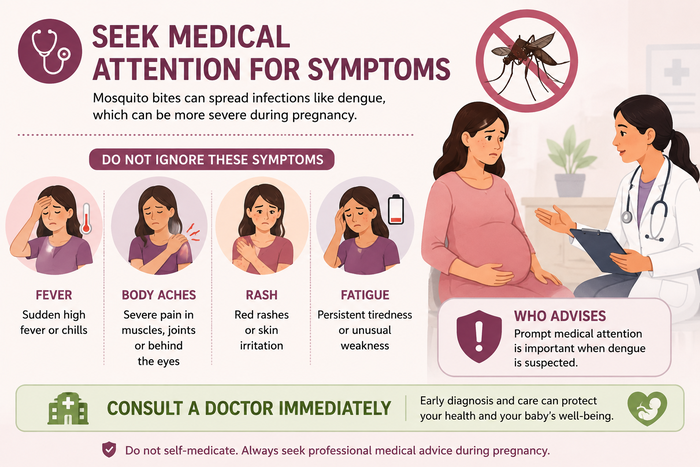
4. Eliminate Stagnant Water
Mosquitoes breed in water-holding containers. Regularly emptying, cleaning or covering containers around the home can help reduce potential breeding sites. WHO recommends removing or covering containers that can hold water.5. Seek Medical Attention for Symptoms
Fever, body aches, rash or persistent fatigue following mosquito exposure should not be dismissed during pregnancy. WHO advises prompt medical attention when dengue is suspected.“If a pregnant woman develops fever, body aches or persistent fatigue after mosquito exposure, she should seek medical attention immediately rather than attempting self-treatment,” Dr Bharadwaj advises.
Mosquito bite prevention during pregnancy is best approached through several layers of protection. Repellents, protective clothing, mosquito nets and eliminating breeding sites can all help reduce exposure, while prompt medical assessment is important if symptoms develop.
FAQs on Mosquito Repellent Methods During Pregnancy
- Are mosquito repellents safe during pregnancy?
EPA-registered repellents containing ingredients such as DEET and picaridin are considered safe during pregnancy when used according to the product label. - What should I do if I develop a fever after a mosquito bite during pregnancy?
Seek medical attention promptly, particularly if fever is accompanied by body aches, rash or persistent fatigue.