When Is It Usually Safe to Vaccinate?
Children can generally receive their scheduled vaccines when they have mild illnesses, such as:- A runny nose or mild cold
- A mild cough
- Mild diarrhoea
- A low-grade fever
- A mild ear infection
- Other minor illnesses where the child is otherwise well
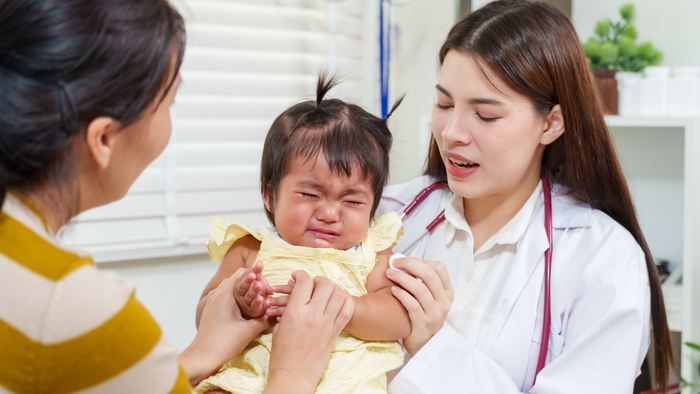
When Might Vaccination Be Delayed?
If a child is moderately or severely unwell, the paediatrician may recommend waiting until the child has recovered. This may be considered when the child:- Is significantly unwell or unusually lethargic
- Has a high or persistent fever with concerning symptoms
- Requires medical assessment
- Is under observation after treatment for a specific illness
- Is suffering from an acute illness which has similar signs that may occur after vaccination
Are There Other Reasons to Delay a Vaccine?
Certain vaccines may have specific contraindications or precautions. For example, additional consideration may be needed if the child has:- History of severe allergic reaction to a vaccine or any of its components
- Certain immune system conditions, particularly for some live vaccines
- Recent administration of specific blood products or immunoglobulins for some live vaccines
What Should Parents Do If Their Child Is Unwell?
If your child is unwell around the time of a scheduled vaccine, inform your paediatrician about the following:- Symptoms your child is having
- Medications your child is currently taking
- Any history of previous vaccine reactions in your child
However, postponing vaccination may sometimes be considered appropriate. But it is advised that you should avoid delaying it simply because you are concerned about possible side effects or because your child has a minor illness.
It is better to consult your child’s doctor for the right advice before making a decision yourself.
The goal, as Dr Rajat Grover explains, is to keep children appropriately protected while taking genuine medical precautions when needed.
What If Vaccination Is Delayed?
If your child’s vaccine is postponed because of illness or another medical reason, do not assume that the vaccination schedule needs to be restarted.Consult your paediatrician or vaccination centre about the next suitable date.
A delayed dose can usually be given later according to an appropriate catch-up schedule, depending on the child’s age, previous doses and the vaccine involved.
Keeping your child’s vaccination record updated can also help your child’s paediatrician determine which doses are due and when they should be given.
Whether you’re pregnant, a new mom, or navigating postpartum, you don’t have to do it alone. Join our support group to connect, share, and support one another.
FAQs on When Can Vaccination Be Delayed? What Parents Should Know
- Should I postpone vaccination if my child has a cold
Usually, no. A mild cold or similar minor illness generally does not require vaccination to be delayed. If your child is significantly unwell, discuss the situation with the vaccination provider before the scheduled dose. - Can vaccination be given if my child has a fever?
It depends on the child’s overall condition and the cause and severity of the illness. Fever alone does not automatically require postponement. The healthcare professional can decide whether vaccination should proceed. - What happens if my child’s vaccine is delayed?
A delayed vaccine can usually be given later through an appropriate catch-up schedule. Previous valid doses generally do not need to be repeated.