One of the main concerns of most women with an ectopic pregnancy is its possible influence on their ability to have babies in the future. This article will help you get answers to all your queries.
What is an Ectopic Pregnancy?
Ectopic pregnancy is a medical condition whereby a fertilised egg implants itself in a region where it does not have the capacity to develop normally. The fertilised egg is usually implanted in the fallopian tube; however, there are cases where the egg may implant in another place, like the ovary or even the cervix. This kind of pregnancy poses some risks to health if not diagnosed early.Causes and Risk Factors
Ectopic pregnancy is caused by issues in the fallopian tube itself. This can prevent the fertilised egg from reaching the uterus.Some risk factors include the following:
- Infections in the pelvic region causing scars in the tubes
- Having had any surgical procedure on the fallopian tubes or the abdomen
- Endometriosis and other diseases affecting the reproductive system
- Smoking, which could interfere with the normal transfer of the egg
Treatment and Importance of Fertility
The treatment method varies depending on the stage of diagnosis and the general condition of the patient. The doctors may prescribe medications to halt the development of the pregnancy in the earlier stages of ectopic pregnancy. In some cases, surgical intervention becomes necessary to remove the affected tissue.The goals of treatment include:
- Saving life and preventing complications
- Preserving the unaffected parts of the reproductive system
- Avoiding problems with fertility in the future
What Effect Does it Have on the Fallopian Tubes?
In natural conception, the fallopian tubes perform important functions. These include carrying the eggs from the ovary to the womb. The unaffected fallopian tube can perform its functions perfectly if one tube is blocked by an ectopic pregnancy or is affected and needs to be removed.When only one fallopian tube is normal, it can:
- Collect the egg that has been ovulated from either ovary
- Facilitate natural fertilisation
- Help in sustaining pregnancy
Pregnancy Chances After Ectopic Pregnancy
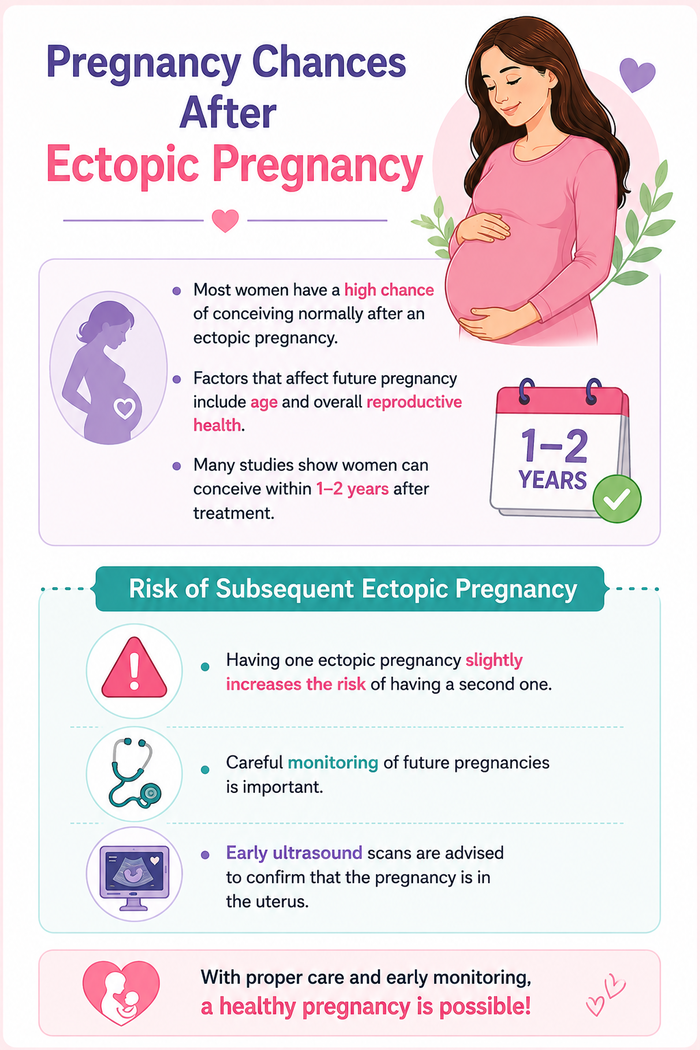
There is a high chance for most women to conceive normally after having an ectopic pregnancy. There are several factors which contribute to their ability for another pregnancy, and these include age and their reproductive condition. Many studies have proven that women can conceive within 1-2 years after the treatment.Risk of Subsequent Ectopic Pregnancy
While having one ectopic pregnancy only slightly raises the possibility of having a second one, it is important to monitor subsequent pregnancies carefully.Medical intervention may help decrease some risks. Early ultrasound scans are often advised to determine whether the pregnancy has occurred in the uterus
When is Natural Conception Challenging?
In some instances, where both fallopian tubes are damaged, natural conception may be a challenge. This can occur when there has been extensive scarring or infection.Under such circumstances, assisted techniques, such as IVF, become useful. Through IVF, fertilisation occurs outside the body, and the embryo is directly transferred into the uterus. This procedure eliminates the need for the fallopian tubes.
Emotional Effect and Recovery
Ectopic pregnancy may also influence the emotional state of the woman. Negative emotions such as sadness, fear, or even anxiety concerning future pregnancy are typical. Seek help and support from your partner, family, friends, and close relatives. You can also join support groups or consult a professional to cope with this condition emotionally.Steps to Improve Fertility in the Future
Overall health maintenance can increase fertility once recovery is achieved. The following easy steps can improve your chances of future pregnancies:- Have a well-balanced, healthy diet that includes essential nutrients needed to support your body for conception
- Avoid smoking and alcohol intake
- Manage any existing medical conditions like diabetes, high blood pressure, or thyroid issues
- Aim for adequate rest and sleep
- Hydrate your body well with at least 8-10 glasses of water every day
- Visit your doctor regularly for periodic checkups
- Focus on light exercise like brisk walking or yoga
You’re not alone in your journey when trying to conceive. Join our supportive community to connect with others, share experiences, and find encouragement every step of the way.
FAQs on Can an Ectopic Pregnancy Affect Future Fertility?
- Does stress cause infertility following an ectopic pregnancy?
No, stress alone rarely causes infertility after an ectopic pregnancy. But it can temporarily disrupt ovulation and menstrual cycles, which may make conceiving a bit harder for a while. Most women regain normal fertility based on the extent of tube damage and the type of treatment received. - Will my menstrual cycles be normal after an ectopic pregnancy?
Yes, most often you get back to a normal cycle after an ectopic pregnancy; however, the flow can vary. Cycles settle down based on the treatment received and how your hormones stabilise. - Should I undergo fertility tests after an ectopic pregnancy?
Yes, fertility tests are often advised after an ectopic pregnancy, especially if you plan to conceive. They help assess tubal health, hormone levels, and guide safe future pregnancy planning.