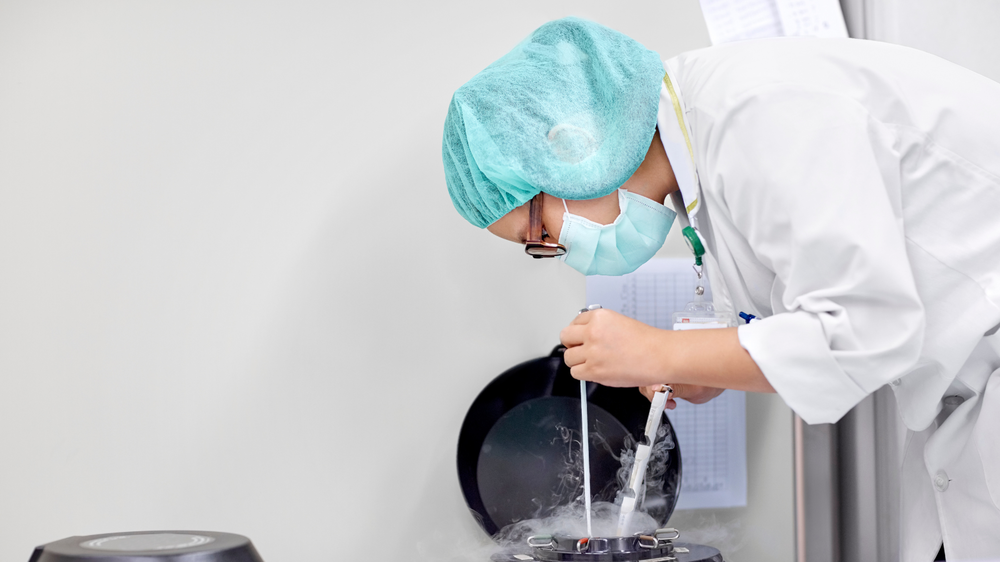
The process of egg freezing is done in such a way that it protects the egg at every level. Understanding what happens to egg DNA during freezing can help you feel more confident in your choice.
Why Is Egg DNA So Important?
DNA inside an egg carries half of the genetic information required to create a baby. It controls development, growth, and inherited traits. Eggs contain a very precise DNA structure that should remain intact for successful fertilisation and healthy embryo development.
Protecting the DNA of eggs during freezing is a crucial part of fertility because eggs do not regenerate.
What Is Egg Freezing and How Does It Work?
Egg freezing is a process where mature eggs are collected, frozen, and stored for future use. It is also known as oocyte cryopreservation. You undergo hormonal stimulation before freezing, so multiple eggs can mature in one cycle.
Eggs are frozen upon collection using advanced methods that prevent ice from forming on them. These methods protect the egg from the inside out.
How Egg Freezing Protects DNA
Egg freezing uses a modern technique called vitrification. The water inside the egg freezes into a glass-like structure due to rapid cooling.Vitrification Technique
Vitrification cools the egg rapidly, so that its temperature drops thousands of degrees per minute. Ice crystals can damage DNA, but rapid cooling prevents them from forming.Cryoprotectant Solutions
Eggs are placed in cryoprotectants before freezing, which are special solutions. They replace water inside the egg and protect the DNA from temperature stress.Vitrification and cryoprotectants create a stable environment that preserves DNA.
Does Egg Freezing Change or Damage DNA?
Research shows that egg freezing does not change the DNA structure. It remains protected during vitrification as DNA resides in the nucleus of the egg.Studies comparing frozen and fresh eggs show similar fertilisation rates, embryo development, and pregnancy outcomes. This indicates that DNA integrity remains intact throughout the freezing and thawing process.
What Happens to Egg DNA During Long-Term Storage?
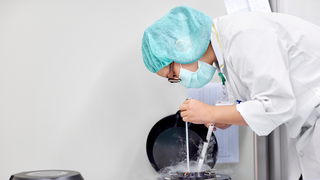
Eggs are stored in liquid nitrogen at temperatures around -196°C. All biological activity stops completely at this temperature.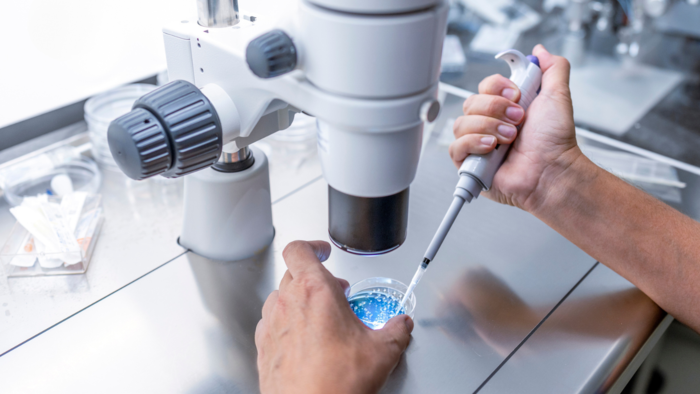
- DNA does not age.
- No chemical reactions occur.
- Genetic material remains unchanged.
Does Age at Freezing Affect DNA Quality?
Age plays a role in egg DNA quality, but this relates to the age at which eggs are frozen.
Younger Eggs and DNA Stability
Eggs frozen before the age of 35 have fewer chromosomal errors. This means DNA quality is higher at younger ages.Age-Related DNA Changes
Eggs are more likely to have DNA errors as age increases. Freezing does not cause these changes, as it preserves the egg exactly as it is at that moment.What Happens to DNA When Eggs Are Thawed?
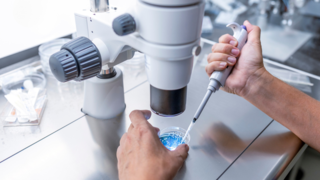
Frozen eggs are thawed carefully using controlled warming techniques when you decide to use them. Thawing reverses vitrification without allowing ice formation.DNA remains intact and functional if the egg survives thawing, and most of them do. Fertilisation and embryo development can proceed as they would with fresh eggs.
Are Babies Born from Frozen Eggs Genetically Healthy?
Babies born from frozen eggs have similar health to those conceived naturally or with fresh eggs. It is backed by a number of international research studies.There is no increased risk of birth defects linked to egg freezing. DNA remains protected throughout the freezing and thawing process.
What Factors Can Affect DNA Safety During Freezing?
Your outcomes depend on several factors.- Laboratory expertise.
- Quality of equipment.
- Proper handling of eggs.
- Experience of embryologists.
Emotional Aspects of DNA Concerns in Egg Freezing
Assessing all the aspects is necessary if you want to freeze your eggs. You may worry about future pregnancy, inherited conditions, or doubt your choice. But understanding the process can help you feel confident. Freezing preserves your eggs without changing DNA, which can give you confidence in your decision. Talk with your partner or family to get their support during this process.What Should You Do Next? A Practical Checklist:
- Discuss the timing of egg freezing with a fertility specialist.
- Ask about vitrification methods.
- Ask about the success rates based on your age.
- Set realistic expectations.
- Seek emotional support if needed.
When Should You Ask More Questions About DNA Safety?
You should ask your doctor for detailed explanations under the following situations. Your doctor can guide you through risks, if there are any.- Have a genetic condition.
- Have a family history of inherited disorders.
- Are you freezing eggs later in life?
- Feel anxious about long-term outcomes.
Social and Lifestyle Considerations With Egg Freezing
Egg freezing intersects with career planning, relationships, and personal goals. So, any concerns about DNA safety may influence these decisions.However, you can plan your future without unnecessary stress if you have accurate information. It will also allow you to communicate your choices with loved ones.
Your egg’s DNA remains intact due to advanced technology during egg freezing. Vitrification, cryoprotectants, and ultra-low temperatures keep that genetic material stable. So, freezing your eggs does not damage DNA or increase genetic risk. You can consider egg freezing confidently by choosing an experienced medical facility.
You’re not alone in your journey when trying to conceive. Join our supportive community to connect with others, share experiences, and find encouragement every step of the way.
FAQs on What Happens to Egg DNA During the Freezing Process?
- Can egg freezing cause genetic mutations?
Egg freezing does not cause mutations. DNA remains unchanged if proper freezing techniques are used. - Does storing eggs for longer periods increase the risk of DNA damage?
DNA does not degrade over time in frozen storage because all biological activity stops - Is egg DNA safer if frozen earlier in life?
Younger eggs have fewer chromosomal errors, so freezing them earlier preserves their higher-quality DNA.