In this article:
What Does Implantation Bleeding Indicate?
Implantation bleeding happens during pregnancy when an embryo embeds in your uterus. This usually takes 6 to 12 days after you ovulate, often when your expected period is approaching.
The rupturing of some of the tiny blood vessels in the uterine lining takes place during implantation, causing light bleeding or spotting. This is normal and doesn’t affect the pregnancy. Still, not everyone experiences it, and absence of it doesn’t indicate you have not conceived.
What Does Hormonal Spotting Indicate?
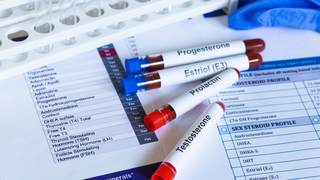
Hormonal spotting takes place due to a change in oestrogen and progesterone levels, which affects the uterine lining. These changes aren’t pregnancy-related and can occur even in a healthy cycle.
Things like stress, sleep deprivation, changes in weight, health problems, or hormonal birth control pills might cause it. It can occur at different times during the menstrual cycle and may recur for many months.
How Can Timing Help Spot the Difference?
Timing is one of the most reliable ways to distinguish implantation bleeding from hormonal spotting.
Timing of Implantation Bleeding
Implantation bleeding usually appears a few days before your expected period. It happens once and does not follow a monthly pattern. Because it occurs early, many people mistake it for a light period.Timing of Hormonal Spotting
Hormonal spotting can occur:- Around ovulation
- Mid-cycle
- Just before or after a period
- During periods of emotional or physical stress
How Does the Colour and Flow Differ?
The appearance of spotting can provide additional clues.
Implantation Bleeding Appearance
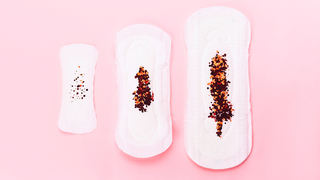
Implantation bleeding is typically:- Light pink or brown
- Very light in flow
- Not enough to soak a pad
- Lasting a few hours to two days
Hormonal Spotting Appearance
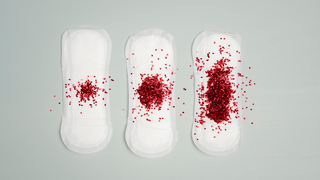
Hormonal spotting may be:- Pink, red, or dark brown
- Slightly heavier than implantation bleeding
- Intermittent
- Lasting several days
Are The Associated Symptoms Different?
Implantation Bleeding-related Symptoms
You may experience:- Gentle cramps
- Breast tenderness
- Fatigue
- Nausea
- Heightened smell sensitivity
Symptoms Linked to Hormonal Spotting
Hormonal spotting may occur with:- Mood swings
- Acne breakouts
- Headaches
- Bloating
- Irregular cycle length
Can Implantation Bleeding Be Confused With a Light Period?
Yes, confusion between these two is very common. Implantation bleeding takes place close to your next expected cycle, which makes it difficult to distinguish.However, a light menstrual cycle usually:
- Shows heavy bleeding over time
- Lasts 3 to 7 days
- Includes stronger cramping
How Common Is Implantation Bleeding Compared to Hormonal Spotting?
Implantation bleeding takes place in about 15 to 25 per cent of pregnancies. This indicates that implantation bleeding doesn’t happen in the majority of pregnancies.Hormonal spotting is very common and may take place in many individuals at different life stages. This is more common in those with irregular cycles or lifestyle changes.
Can Stress Cause Hormonal Spotting?
Yes. Stress affects the brain’s hormone-regulating centres, which can delay ovulation or disrupt progesterone levels. Spotting may appear due to light shedding in the uterine lining because of hormonal changes.Should You Opt for a Pregnancy Test During Spotting?
Timing plays a significant role in accurate testing.Pregnancy tests detect the hormone hCG, and implantation causes a surge in this hormone level. Too early testing can give a misleading result.
To get the perfect results:
- Wait 5 to 7 days after your period is missed
- Take the first-morning urine sample for a test
- Repeat after a few days if uncertain
When Can Spotting Be Concerning?
Seek medical advice if you experience:
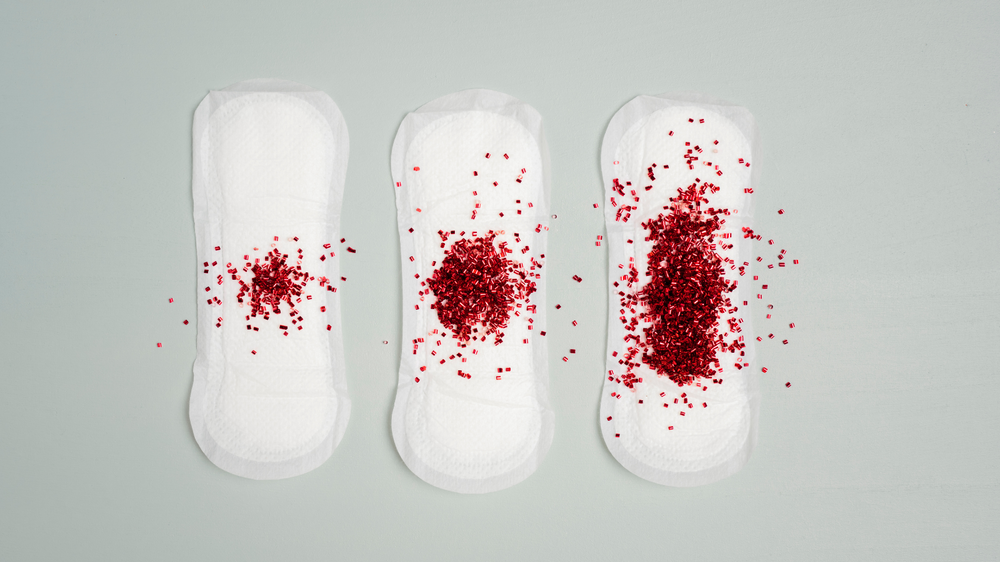
- Heavy bleeding, soaking pads
- Severe abdominal pain
- Fever or foul-smelling discharge
- Spotting doesn’t go away after one week
- Weakness or lightheadedness
How Can You Support Your Body?
You can support your body by:- Keeping track of symptoms and your cycles
- Avoiding heavy physical strain
- Staying hydrated
- Eating balanced meals
- Managing stress through rest and relaxation
Emotional Impact
It can feel emotionally unsettling to see light spotting unexpectedly. These feelings become heavier when you are trying for a baby. You may experience emotional exhaustion.Communicating directly with your loved ones can take the stress off your shoulders. During this phase, your emotional health also plays a crucial role, just like your physical health.
What Are the Further Steps?
- Observe what other symptoms appear with bleeding
- Avoid making decisions out of fear
- Plan your pregnancy testing at the right time
- Consult a doctor if symptoms persist
You’re not alone in your journey when trying to conceive. Join our supportive community to connect with others, share experiences, and find encouragement every step of the way.
FAQs on Implantation Bleeding vs Hormonal Spotting: How to Tell the Difference
- Can implantation bleeding happen after a positive pregnancy test?
No. Implantation bleeding occurs before hormone levels are high enough to produce a positive test. - Can hormonal spotting happen every month?
Yes. When you have an irregular cycle or chronic stress, hormonal spotting can reappear. - Does implantation bleeding guarantee pregnancy?
No. It might be a sign of implantation, but it doesn’t guarantee a pregnancy.