In this article:
How Can Genital TB Affect Reproductive Organs?
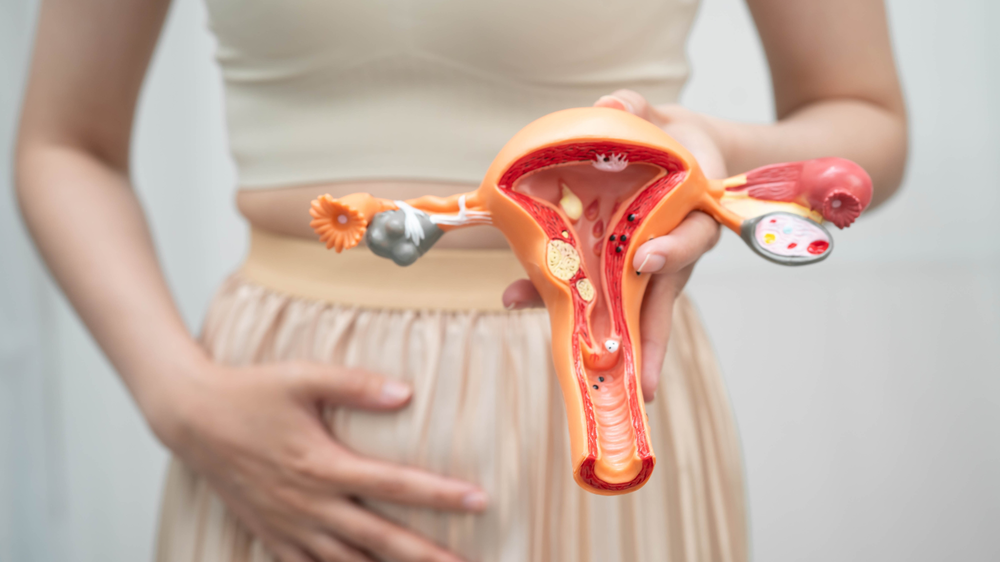
Genital TB may involve:
- Uterus
- Ovaries
- Fallopian tubes
- Cervix
- Pelvic tissues
What Are the Common Symptoms of Genital TB in Women?
Symptoms may vary from person to person. Some women may experience only a few signs, while infertility may be the only noticeable symptom in others.
1. Abnormal Changes in Menstrual Cycles
You may notice:
- Irregular periods
- Scanty menstrual flow
- Heavy bleeding
- Missed periods
- Bleeding between cycles
2. Persistent Pelvic Pain
Pain may develop slowly and continue for months.
You may experience:
- Lower abdominal pain
- Pelvic heaviness
- Pain during periods
- Pain during sexual intercourse
3. Unusual Vaginal Discharge
Some women may experience recurrent or persistent vaginal discharge, although many women with genital TB may not have noticeable discharge at all.
The discharge, if present, may be:
- White or yellowish
- Persistent or recurrent
- Occasionally foul-smelling
4. General Symptoms of Tuberculosis
You may also develop general TB-related symptoms, such as:
- Mild fever
- Tiredness
- Reduced appetite
- Weight loss
- Night sweats
How Can Genital TB Affect Fertility?
Genital TB may affect fertility by damaging the reproductive organs.
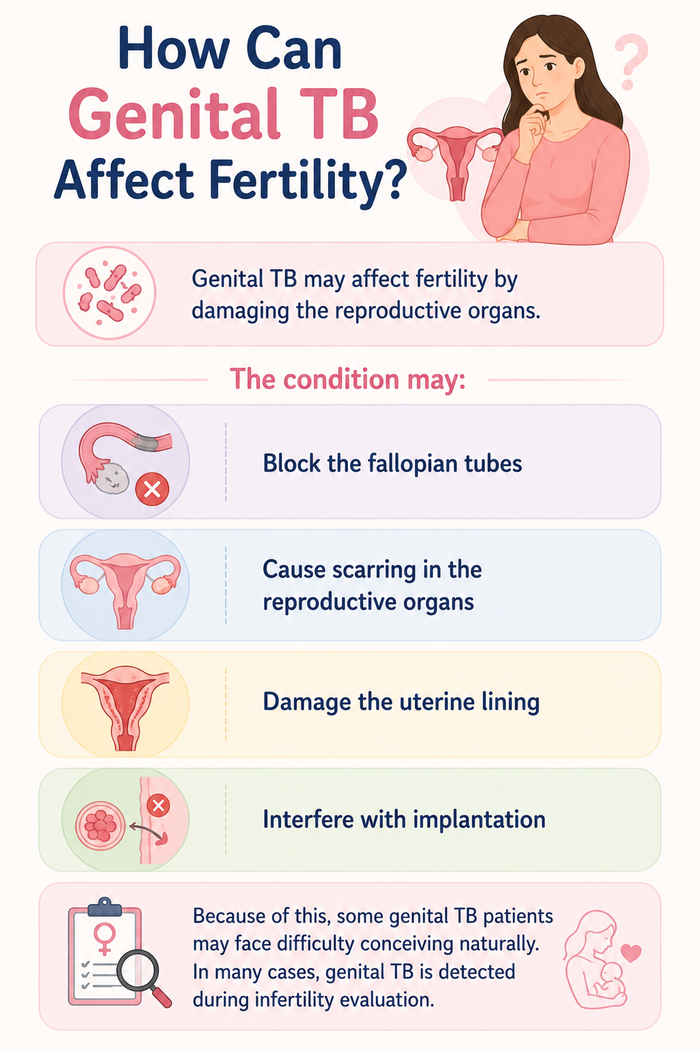
The condition may:
- Block the fallopian tubes
- Cause scarring in the reproductive organs
- Damage the uterine lining
- Interfere with implantation
How Can Genital TB Affect Pregnancy?
Genital TB may increase certain pregnancy-related risks if reproductive organs are significantly affected.
Possible complications may include:
- Ectopic pregnancy
- Miscarriage
- Difficulty maintaining pregnancy
- Reduced implantation chances
When Should You Consult a Doctor?
You should seek medical advice if you have:
- Persistent pelvic pain
- Irregular menstrual cycles
- Difficulty getting pregnant
- Recurrent vaginal discharge
- Previous history of tuberculosis
Whether you’re pregnant, a new mom, or navigating postpartum, you don’t have to do it alone. Join our support group to connect, share, and support one another.
FAQs on Genital TB in Women: Symptoms, Fertility Risks, and Pregnancy Concerns
- Can genital TB occur without symptoms?
Yes. Some women may not notice symptoms for a long time. The condition may only be detected during fertility investigations. - Is genital TB curable?
The infection itself can often be treated successfully with anti-tuberculosis medicines and proper monitoring. However, reproductive damage caused by scarring may not always fully reverse. - Does genital TB always cause infertility?
Not always. Its impact on fertility may vary depending on the severity of the reproductive organ damage and how early treatment begins.