Understanding how the DASH diet works can help you make informed food choices that support both your long-term health and reproductive goals.
What Is the DASH Diet?
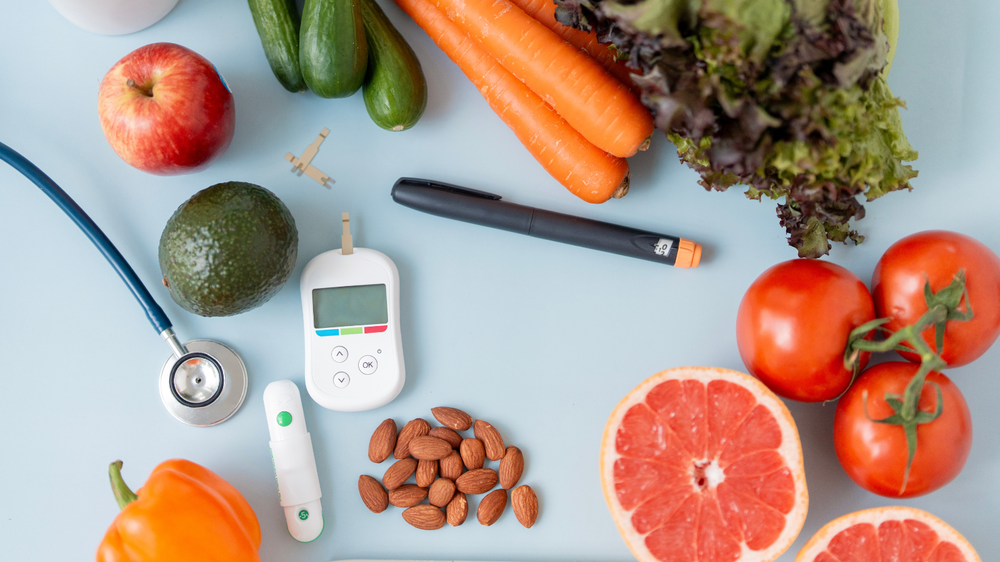
According to the National Heart, Lung, and Blood Institute (NHLBI), the DASH (Dietary Approaches to Stop Hypertension) diet is a flexible and balanced eating plan that promotes lifelong healthy eating habits.It encourages a variety of nutrient-rich foods, including vegetables, fruits, whole grains, low-fat dairy, lean proteins, nuts, and legumes, while limiting sodium, saturated fat, and added sugars.
The DASH diet was first created to help people lower high blood pressure. Later, researchers found that it may also improve the body's response to insulin and support overall health.
Why Is the DASH Diet Being Studied for PCOS?
PCOS is more than a reproductive condition. Many women with PCOS also have insulin resistance, which makes it harder for the body to use insulin effectively. This can contribute to weight gain, irregular periods, hormone imbalances, and difficulties with ovulation and fertility. In addition, some women may have higher levels of inflammation and an increased risk of type 2 diabetes and heart disease.A study published in the journal Hormone and Metabolic Research found that women with PCOS who followed the DASH diet for eight weeks experienced improvements in insulin resistance, inflammatory markers, and antioxidant status compared with those who followed a standard diet. These findings suggest that the DASH diet may help address some of the metabolic changes associated with PCOS.
How Does the DASH Diet Work Differently from Other PCOS Diets?
The table below compares the DASH diet with two other commonly recommended eating patterns for PCOS to help you understand how they differ.| Feature | DASH Diet | Low-Carb Diet | Mediterranean Diet |
| Main goal | Heart and metabolic health | Reduce carbohydrate intake | Overall health and fertility |
| Carbohydrates | Whole grains encouraged | Restricted | Whole grains encouraged |
| Easy to follow long term | Yes | Can be challenging | Yes |
| May be suitable for | PCOS with high blood pressure or insulin resistance | Women advised to reduce carbohydrate intake | Women trying to conceive and improve overall health |
Can the DASH Diet Improve Fertility in Women with PCOS?
Women with PCOS often experience irregular ovulation, which can make it more difficult to conceive. Although the DASH diet is not a fertility treatment, it may support reproductive health by improving some of the underlying factors linked to PCOS, such as insulin resistance, excess weight, and inflammation. Better metabolic health may encourage more regular ovulation in some women.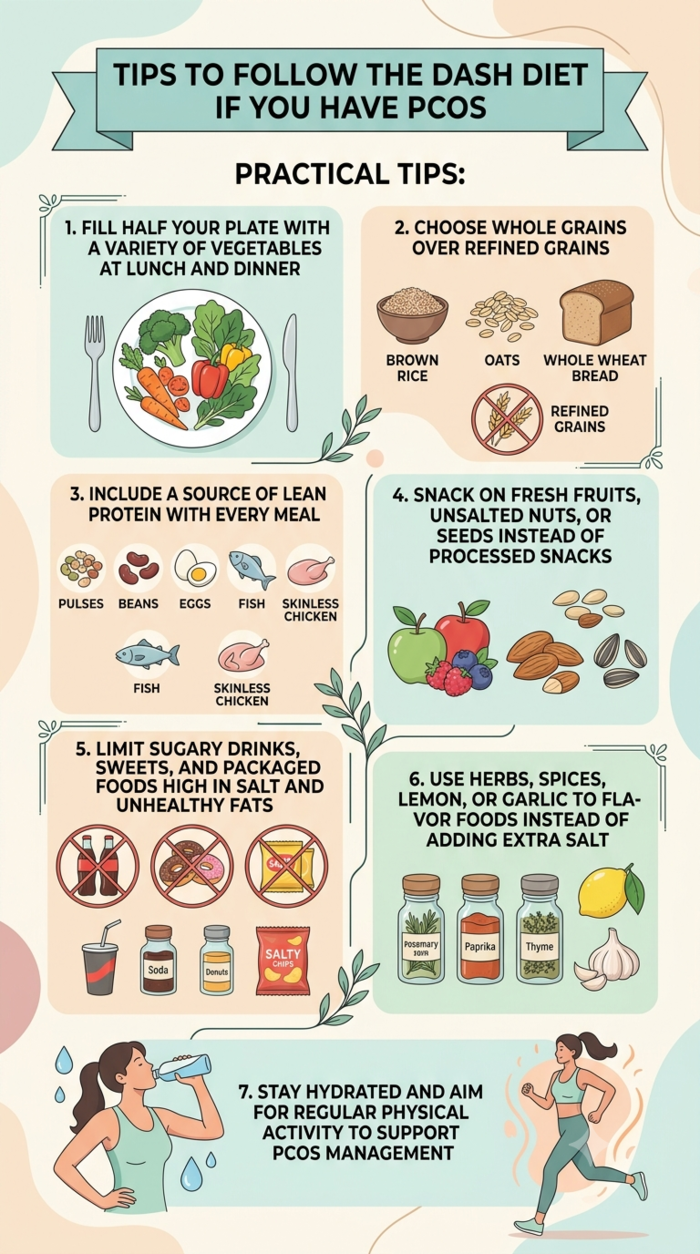
Tips to Follow the DASH Diet If You Have PCOS
Here are some practical tips:- Fill half your plate with a variety of vegetables at lunch and dinner
- Choose whole grains such as brown rice, oats, or whole wheat over refined grains
- Include a source of lean protein, such as pulses, beans, eggs, fish, or skinless chicken, with every meal
- Snack on fresh fruits, unsalted nuts, or seeds instead of processed snacks
- Limit sugary drinks, sweets, and packaged foods high in salt and unhealthy fats
- Use herbs, spices, lemon, or garlic to flavour foods instead of adding extra salt
- Stay hydrated and aim for regular physical activity to support overall PCOS management
When the DASH Diet May Not Be the Best Choice
The DASH diet is considered safe for most people, but it may not be the best option for everyone.You may need a personalised eating plan if you:
- Have kidney disease or need to limit certain minerals such as potassium or phosphorus.
- Have food allergies or medical conditions that require specific dietary restrictions.
- Are underweight or have increased nutritional needs.
- Find it difficult to meet your calorie or protein requirements with the standard DASH diet.
- Are pregnant, breastfeeding, or managing another health condition that requires specialised nutrition advice.
You’re not alone in your journey when trying to conceive. Join our supportive community to connect with others, share experiences, and find encouragement every step of the way.
FAQs on Is the DASH Diet Good for PCOS? Benefits for Fertility and Overall Health
- Is the DASH diet better than the Mediterranean diet for PCOS?
Neither diet is universally better for PCOS. Both encourage whole, nutrient-rich foods and may support metabolic health. The best choice depends on your health goals, lifestyle, and any medical conditions. A healthcare professional can help determine the most suitable approach. - Can the DASH diet help regulate periods in PCOS?
The DASH diet may support better metabolic health, which can indirectly contribute to more regular menstrual cycles in some women with PCOS. However, results vary, and the diet works best when paired with medical treatment and other healthy lifestyle habits. - Can I follow the DASH diet if I am taking PCOS medications?
In most cases, yes. The DASH diet can usually be followed alongside medications prescribed for PCOS. However, if you have other medical conditions or dietary restrictions, it is best to consult your healthcare provider before making significant dietary changes.