In this article:
When kidney function declines, hormonal changes may affect ovulation and menstrual cycles.
As a result, conceiving naturally may become more difficult for some women. The effect varies depending on the type and severity of kidney disease.
How Does Kidney Disease Affect Female Fertility?
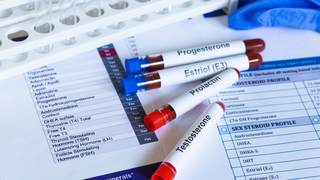
Healthy kidneys help support the normal balance of reproductive hormones. When kidney function is reduced, this balance may be disrupted.
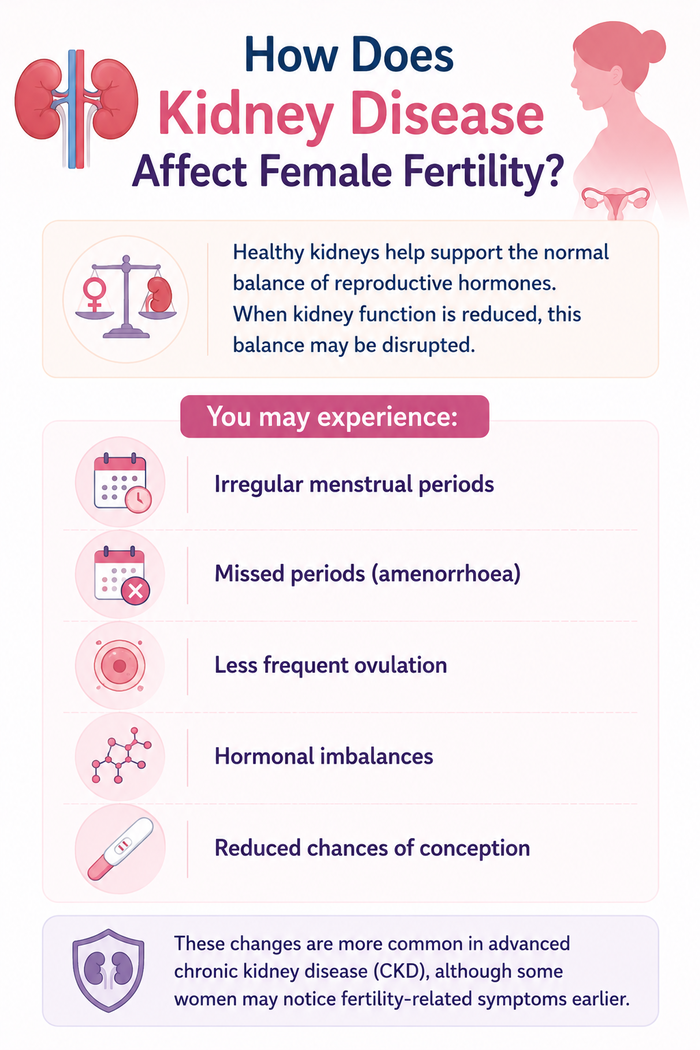
You may experience:
- Irregular menstrual periods
- Missed periods (amenorrhoea)
- Less frequent ovulation
- Hormonal imbalances
- Reduced chances of conception
| Kidney-related change | Possible effect on fertility |
| Hormonal imbalance | May disrupt ovulation |
| Irregularity in menstrual cycles | Makes it difficult to determine conception timing |
| Missed periods (amenorrhoea) | May indicate a lack of ovulation |
| Advanced stages of Chronic Kidney Disease | Often associated with reduced fertility |
| Dialysis treatment | Fertility may decline further, although pregnancy is still possible |
Impact of Kidney Disease on the Menstrual Cycle
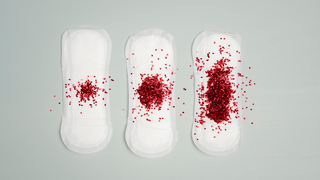
Chronic kidney disease can affect the hormones that regulate your menstrual cycle.
As kidney function declines, some women may notice:
- Irregular cycles
- Longer gaps between periods
- Lighter menstrual flow
- Complete absence of periods
Impact of Kidney Disease on Ovulation
Kidney disease can affect the communication between the brain, ovaries, and reproductive hormones.
This may lead to:
- Reduced release of eggs from the ovaries
- Unpredictable ovulation patterns
- Difficulty identifying fertile days
Possible Effect of Stage of Kidney Disease On Fertility
Fertility challenges are generally more common as kidney disease becomes more severe.
| Stage of kidney disease | Possible impact on fertility |
| Early-stage CKD | Fertility often remains close to normal |
| Moderate CKD | Menstrual and ovulation problems may become more common |
| Advanced CKD | Fertility is often reduced due to hormonal disturbances |
| Kidney failure requiring dialysis | Conception is less common but still possible |
1. Early-Stage Kidney Disease
Many women with mild kidney disease continue to ovulate regularly and conceive naturally.
2. Moderate to Advanced Kidney Disease
As kidney function declines, you may experience:
- Greater hormonal disruption
- More frequent menstrual irregularities
- Reduced fertility
Is It Possible To Get Pregnant With Kidney Diseases?
Many women with kidney disease can still become pregnant.
Your chances may depend on:
- Kidney function
- Blood pressure control
- Presence of other medical conditions
- Age
- Overall reproductive health
When Should You Consult a Doctor?
You should consider seeking medical advice if you have kidney disease and:
- Have irregular or absent periods
- Have been trying to conceive without success
- Notice significant changes in your menstrual cycle
- Are planning a pregnancy
You’re not alone in your journey when trying to conceive. Join our supportive community to connect with others, share experiences, and find encouragement every step of the way.
FAQs on Can Kidney Disease Affect Fertility in Women?
- Can early-stage kidney disease affect fertility?
It can, but many women with early-stage kidney disease continue to have normal ovulation and fertility. Fertility problems are generally more common in advanced stages of kidney disease. - Does dialysis make pregnancy impossible?
No. Pregnancy is less common during dialysis, but it can still occur. Women who become pregnant while receiving dialysis usually require close monitoring and specialised medical care. - Will the treatment of kidney disease improve fertility?
The treatment of kidney disease improves kidney function. This may re-establish the hormonal balance, restoring reproductive health.