In this article:
What Are Reproductive Muscle Contractions?
Muscle contractions occur when muscles tighten and relax, as in the smooth muscles of the uterus. Hormones and chemical signals in the body control these contractions.
The uterine contractions may vary during menstruation from what they’re like in pregnancy. While the sensations seem alike, the causes and results make them different.
What Causes Muscle Contractions During Periods?
Hormonal Factors
When your period starts, oestrogen and progesterone levels decrease. This signals your body to release prostaglandins. These chemicals make the uterine muscles contract.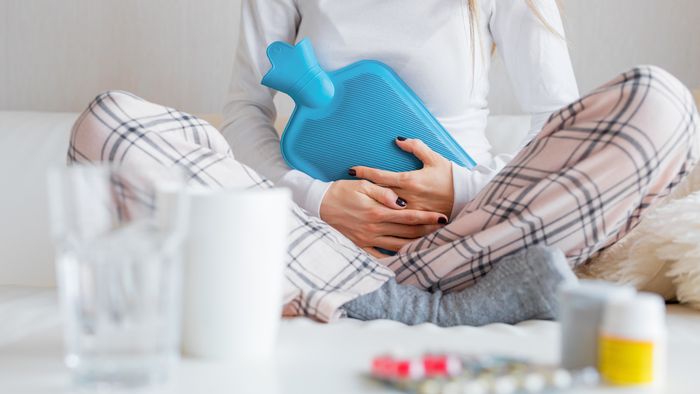
Why Period Contractions Happen
These contractions help remove blood and tissue from the uterus. Strong contractions can briefly inhibit blood flow, leading to pain or cramps.Common Sensations
You may feel:- Lower abdominal cramps
- Thigh discomfort
- Pressure in the pelvic area
Pain intensity varies from person to person and from cycle to cycle.
How Strong Are Period Muscle Contractions?
The intensity of pregnancy cramps can range from mild to severe. In many instances, stronger and more painful cramps can indicate a higher level of prostaglandins.
For many people, cramps last 1 to 3 days, often peaking on the first day of bleeding. The pain might improve as your hormones stabilise and your uterine lining thins.
Why Do Muscle Contractions Happen When You Are Pregnant?
During pregnancy, muscle contractions play a role in protecting the foetus and preparing the body for birth, rather than shedding tissues.Hormonal Factors
Hormones, such as progesterone, loosen the uterine muscles, especially in the initial phase of pregnancy. This can keep contractions away that could damage the foetus.Developmental Factors
As the uterus expands to support development, gentle cramps help keep the muscles coordinated and maintain a good blood supply.How Are Early Pregnancy Muscle Contractions?
In early pregnancy, these tightenings are usually not strong and don’t happen at regular times.
Stretching and Adjustment
You may feel light pulling, tightening, or brief cramps as the uterus grows and ligaments stretch.Increased Blood Flow
Greater blood supply to the uterus can also cause sensations similar to mild cramps.These contractions are brief, infrequent, and not very painful.
How Are Braxton Hicks Contractions Different From Period Cramps?
Braxton Hicks contractions, also known as “practice contractions,” often start in the second or third trimester.
What Braxton Hicks Are Like-
These contractions:
- Feel like a tightening feeling instead of pain
- They are not regular or predictable
- Often get better when you rest or drink water
Period cramps are regular and often cause pain, while Braxton Hicks are usually just uncomfortable, not truly painful. Braxton Hicks does not cause changes to the cervix.
What Role Do Muscle Contractions Play As You Approach Labour?
As you get closer to giving birth, contractions become more purposeful.Getting Ready for Birth
Late in pregnancy, contractions help soften and thin the cervix.Labour Contractions
Labour contractions are:- Regular and increasingly strong
- Longer-lasting
- Not relieved by rest
- Associated with cervical dilation
These contractions signal that birth is approaching.
How Do Period and Pregnancy Contractions Differ in Pain Patterns?
Pain patterns vary significantly between the two.Period Contraction Pain
- Sharp or cramping pain
- Comes in waves
- Often linked to bleeding
- Improves with medication or heat
Pregnancy Contraction
- A pressure or feeling of tightness
- The sensation gradually gets stronger
- You might suffer from back pain or abdominal discomfort
- Alteration of movement or position in the initial stages
Can Muscle Contractions Feel Similar in Both Situations?
Yes, mild pregnancy contractions can feel like menstrual cramps, mostly when you are first pregnant. Because the feelings are alike, many individuals think they are about to get their period when they’re first pregnant.However, pregnancy-related contractions usually lack bleeding and follow different timing patterns.
When Should Muscle Contractions Be a Cause for Concern?
Certain signs require medical attention regardless of whether you are menstruating or pregnant.You should seek medical advice if you experience:
- Severe or worsening pain
- Pain with heavy bleeding
- Fever or foul-smelling discharge
- Contractions before 37 weeks of pregnancy
- Regular contractions that increase in intensity
How To Safely Deal With Period Cramps?
Managing the Discomfort
- Use warm compresses gently
- Practise mild stretching
- Maintain your hydration level
- Eat healthy meals
Lifestyle
To ensure your hormones remain stable and reduce pain, focus on staying calm, staying active, and getting adequate sleep.How to Manage Pregnancy Contractions?
Taking Care of Yourself
To support your body while having a baby, try these practical tips:- Drink enough water
- Change positions if you are in pain
- Try relaxation methods
Emotional Side
Communicating directly with the people you love can ease your anxiety about physical changes and promote bonding.Emotional & Mental Factors
Dealing with muscle contractions can leave you in emotional distress. Menstrual cramps can make it difficult for you to do regular activities, and pregnancy contractions might feel physically overwhelming.Knowing what causes these sensations can help you navigate the phase better. Being informed can help you understand your body’s signs and know when to get assistance.
What Should Be Your Next Step?
- Keep track of the time and intensity of the cramps
- Understand your needs and use comfort measures
- Don’t take medicines on your own without medical advice
- Contact a healthcare provider to clear doubts
During menstruation and pregnancy, muscle contractions appear to serve distinct purposes. Period cramps help your body shed the uterine lining. Pregnancy contractions support the baby’s growth and get you ready for delivery.
Sometimes, it’s hard to distinguish between them. Knowing what causes them, their patterns, and when they happen can help you respond appropriately. If you pay attention to your body and take care of yourself, you can handle any discomfort and know when you need to see a doctor.
Whether you’re pregnant, a new mom, or navigating postpartum, you don’t have to do it alone. Join our support group to connect, share, and support one another.
FAQs on Period Cramps vs Pregnancy Contractions: What’s The Difference
- Can pregnancy contractions occur during periods?
No. Pregnancy contractions only occur when pregnancy hormones are present, even though sensations may feel similar. - Are strong period cramps a sign of pregnancy?
Strong cramps alone do not indicate pregnancy. Pregnancy cramps usually occur without bleeding. - Can stress affect muscle contractions?
Yes. Stress can increase muscle tension and intensify pain in both periods and pregnancy.