Understanding Kidney Stones
Kidney stones are hard deposits made up of potassium and salts that build up in your kidneys. They can come in different sizes and may pass through the urinary tract without causing any problems or come out with pain when they move.
Physiological changes during pregnancy can lead to an increased risk of stone development, creating a situation where this condition (although infrequent) is one of the highest medical causes related to non-obstetric reasons to visit a hospital for an expectant mother.
Causes of Kidney Stones During Pregnancy
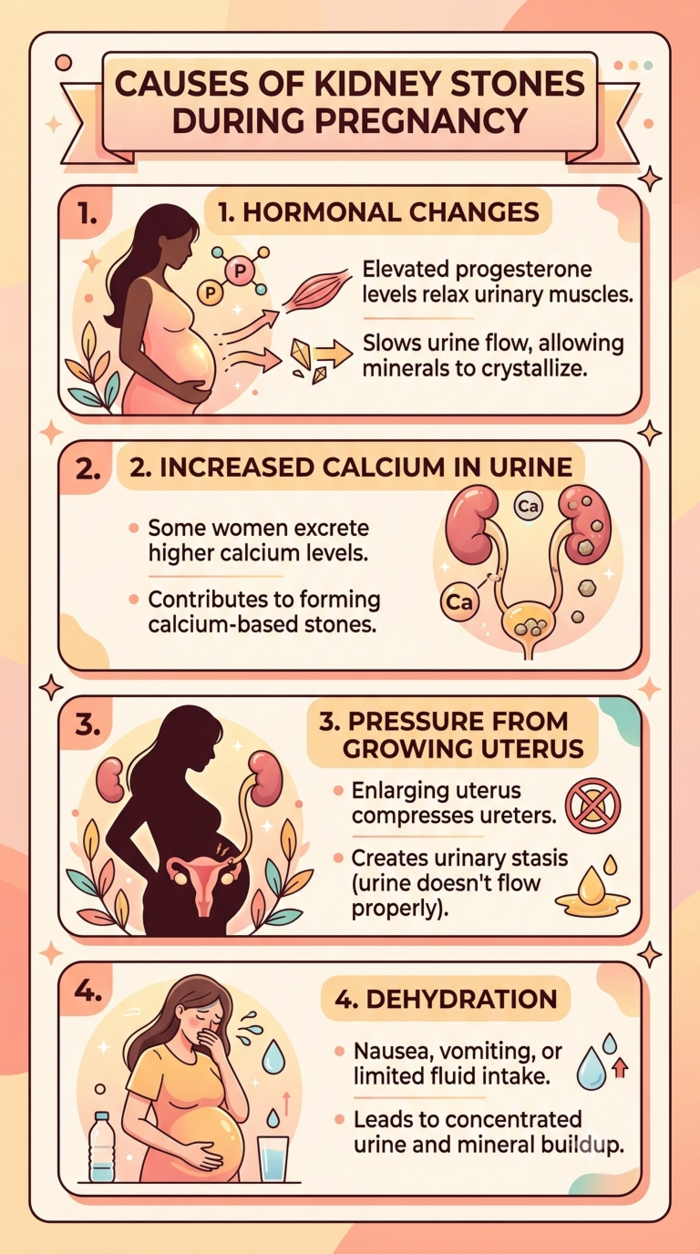
There are many natural factors associated with pregnancy that may lead to the development of kidney stones. These include the following:
Hormonal Influence
Pregnancy causes an increase in levels of the hormone progesterone. The relaxing effect of progesterone on muscles in your urinary tract causes urinary flow to slow down, thereby allowing your body's minerals to settle into crystals.Calcium in Urine
Some pregnant women may also be excreting higher amounts of calcium in their urine than they normally would, which can contribute to forming calcium-based stones.Pressure from the Growing Uterus
With the continual growth of the uterus due to the developing baby inside, it can begin to place pressure on the uterus, which can create urinary stasis (a condition where urine does not flow properly or is partially blocked).Dehydration
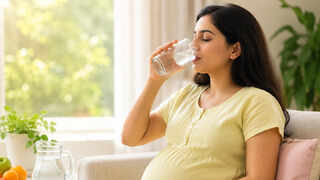
Nausea, vomiting, and limited fluid intake can all lead to dehydration and concentration of urine, resulting in an increased chance of developing kidney stones.Signs and Symptoms to Watch For
It's very important to recognise symptoms when it comes to being treated for this condition successfully. Some common symptoms have been listed below:
- Severe pain in the back, side, or lower abdomen that comes suddenly and without any warning
- Pain may radiate down towards your groin area
- Blood in your urine
- Nausea and vomiting
- Need to urinate frequently
- Signs of possible infection, such as fever, body aches, and chills
It should be noted that sometimes these symptoms can be confused with other conditions, such as urinary tract infections or typical pregnancy discomforts. Therefore, it is best to obtain a medical exam instead of self-diagnosing.
Can Kidney Stones Affect My Unborn Child?
A common question many women ask is whether their unborn child can be harmed by having kidney stones. Most often, they do not impact the baby directly.
However, there could be complications from not managing this condition appropriately, such as:
- Preterm labour due to extreme pain
- Urinary infections, which may lead to severe health risks if not treated on time
- Maternal dehydration and nutritional deficiencies
The above risks may be minimised with appropriate and timely medical care, allowing more than 90% of pregnancies to continue safely through the course of pregnancy.
Diagnosing Kidney Stones While Pregnant
When pregnant, diagnosing kidney stones has to be done with utmost care to safeguard both the mother and the baby.
Typical diagnostic procedures include the following:
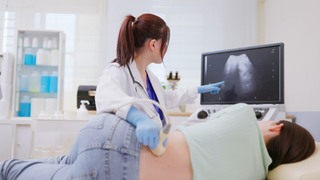
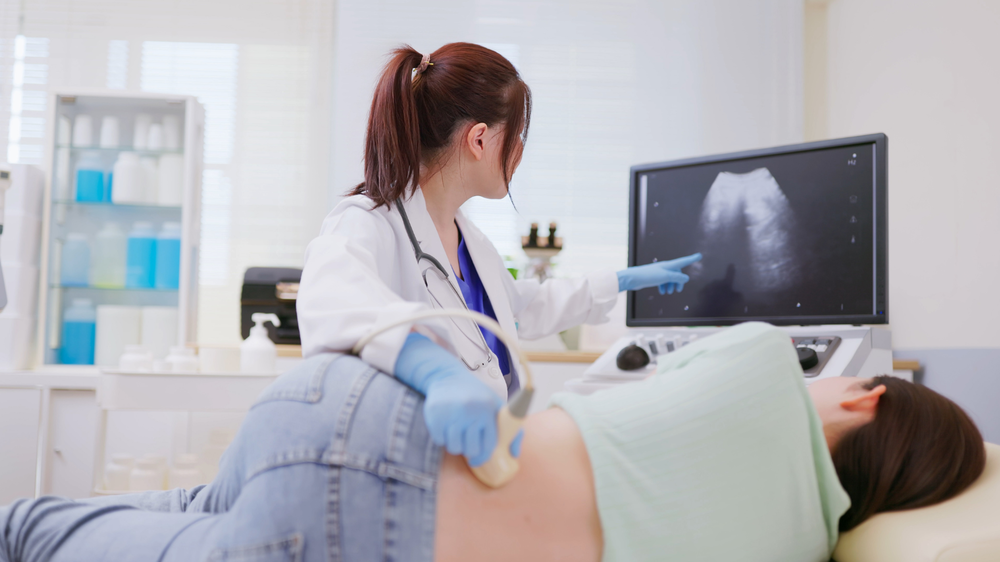
- Ultrasound scan: Preferred method of imaging due to no radiation exposure, thus deemed safe during pregnancy
- Blood work: Useful in evaluating kidney function as well as identifying any signs of infection
Treatment Options: Safe and Individualised Care
The treatment offered by your doctor must aim to provide symptom relief while preventing unnecessary risks. Options are as follows:
Conservative Approach
Most stones can pass through your body naturally; therefore, it doesn't require invasive medical procedures. This also holds true for small stones. You can get rid of kidney stones by:- Increasing fluid intake to help flush the stone from the body
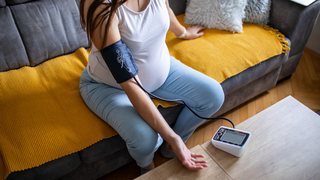
- Getting adequate rest and being monitored closely
- Using pain relief medication that is safe for pregnant women and prescribed by the doctor
- Treating nausea and vomiting through antiemetics prescribed by the doctor
Medical Intervention
Medical interventions are needed when conservative methods fail or when there is persistent infection or obstruction. Main interventions include:- Ureteral stent placement: A tube is placed in the ureter to bypass the blockage and restore urine flow
- Percutaneous nephrostomy: A drainage tube is placed directly into the kidney to relieve obstruction
- Ureteroscopy: A minimally invasive procedure used to remove or fragment the stone when definitive treatment is required
When to Get Emergency Medical Treatment?
If you have any of the following symptoms, you should seek urgent medical attention without delay.
- Persistent, uncontrolled pain
- Fever or chills
- Unable to urinate
- Experiencing contractions
- Having continuous vomiting leading to dehydration
If you are pregnant and have developed kidney stones, it may seem like a daunting task to deal with. However, this is a manageable condition with the appropriate knowledge and support. Monitoring how your body feels through hydration, paying close attention to symptoms, and seeking immediate and appropriate medical attention will be the best ways to protect your health and your baby's growth.
Whether you’re pregnant, a new mom, or navigating postpartum, you don’t have to do it alone. Join our support group to connect, share, and support one another.
FAQs on Kidney Stones and Pregnancy: What Every Expecting Mother Should Know
- Is there an increased incidence of kidney stones during a particular trimester of pregnancy?
Kidney stones are more likely to be observed in the second and third trimesters due to the impact of hormones and pressure from the growing uterus, resulting in altered urine flow. This may lead to urinary stasis, thus increasing the likelihood of developing kidney stones and/or symptoms from developing kidney stones during pregnancy. - Does having kidney stones during pregnancy increase your chances of having a urinary infection?
Yes, having kidney stones during pregnancy increases your chance of having a urinary infection because the stones could obstruct urinary flow. This will provide a good environment for bacteria to grow, causing complications if not treated quickly by a doctor. - Can labour pains be confused with kidney stones?
Yes, labour pains and kidney stones can feel similar, as they both create severe lower abdomen or back pain. However, the pain associated with kidney stones is generally sharper, periodic, and does not occur in conjunction with the regular contractions of labour or cause any changes in your cervix.