In this article:
Knowing how alcohol affects gut health gives you the power to make decisions that are good for you and your baby's health during pregnancy.
Importance of Gut Health During Pregnancy
It's important to know why gut health is essential during pregnancy since your digestive system helps you absorb nutrients, fight off infections, and feel better overall, all of which are important for your and your baby's health. A healthy stomach helps you:- Take in the vitamins and minerals.
- Keep your energy levels steady.
- Help keep the immunological system in balance.
- Reduce digestive discomfort.
- Promote overall metabolic health.
How Alcohol Affects the Digestive System
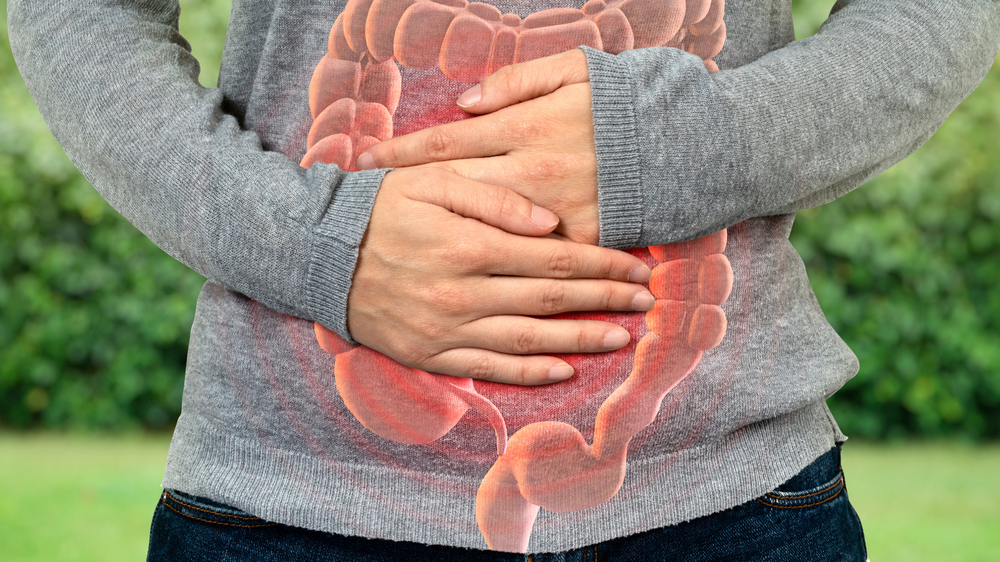
From the minute it enters the body, alcohol interacts directly with the digestive tract. It makes the stomach and intestines feel bad and changes how digestive enzymes work.These effects may be more noticeable during pregnancy due to hormonal changes and increased blood flow to the digestive organs. Even little amounts of alcohol can mess up normal digestion, especially if you drink it on an empty stomach or when you're feeling sick.
- Alcohol might change how well you digest food by making your stomach make more acid.
- Slowing down how food moves through the intestines
- Irritating the lining of the gut
- Changing how enzymes work
- Blocking the transfer of nutrients
Alcohol & the Gut Microbiome
The gut microbiome is the group of good bacteria that live in your digestive system. These bacteria are essential for digestion, immune function, and the control of inflammation.The gut microbiome changes typically during pregnancy to support metabolic and immune system changes. Alcohol can disrupt this delicate balance by killing beneficial bacteria and allowing harmful bacteria to grow faster.
Changes in the gut flora may cause:
- More gas and bloating
- Discomfort in the stomach
- A weaker immune system
- More inflammation
- Changed the way nutrients are absorbed
Impact on Nutrient Absorption
You need more minerals like iron, folate, calcium, and B vitamins when you're pregnant. The stomach lining absorbs these nutrients and sends them into the blood.Alcohol can mess up this process by hurting the lining of the intestines and making it harder for the body to absorb essential nutrients. It may lead to long-term deficits that affect energy levels and health.
Alcohol related nutrient absorption concerns include:
- Reduced folate absorption, which is essential for neural development
- Lower iron absorption, increasing fatigue risk
- Impaired vitamin B absorption, affecting nerve function
- Reduced calcium uptake, impacting bone health
Alcohol and Inflammation in the Gut
Alcohol can trigger inflammation in the digestive tract. Inflammation increases intestinal permeability, also referred to as increased gut permeability.During pregnancy, low-grade inflammation may exacerbate digestive symptoms and strain the immune system. A healthy gut lining keeps poisons out while letting nutrients in. This barrier gets weaker as you drink alcohol.
Inflammation-related impacts may include:
- More sensitive to foods
- Getting worse heartburn or acid reflux
- Abdominal discomfort
- Changes in how the bowels work
- Reduced digestive comfort
Connection Between Gut Health and Immunity
A large portion of your immune system is located in the gut. A balanced gut environment helps regulate immune responses and protect against infections.By altering the balance of microorganisms and worsening inflammation, alcohol can make the stomach's immune system less effective. During pregnancy, immunological modifications already occur to assist the developing baby. An extra load on your immune system could make it harder for you to deal with mild illnesses or stomach problems.
Supporting gut health contributes to immune stability, which is especially important during pregnancy.
Safer Ways to Support Gut Health During Pregnancy
You don't need to do anything complicated to keep your gut healthy. During pregnancy, simple, gentle routines can help keep your digestive system comfortable and support nutrient absorption. Some helpful things to do are: - Eating meals that are regular and balanced
- Staying hydrated
- Adding meals high in fibre slowly
- Eating fermented foods that your doctor says are okay
- Taking breaks to deal with stress
- Not eating things that are known to upset your stomach
When to Talk to a Doctor
If you drank alcohol while pregnant or have ongoing stomach problems, you should talk to your doctor. It gives personalised advice without judging.If your digestive issues get a lot worse, you should see a doctor:
- You feel tired or weak for no reason.
- There are suspicions of nutrient deficits.
- You are worried about being around booze.
- Digestive problems make it hard to feel comfortable every day.
Gut health is essential during pregnancy, as it supports digestion, food absorption, and immune balance. Alcohol can quietly mess up these processes by irritating the gut lining, changing the microbiome, and making it harder for the body to absorb nutrients. Even minor problems might make you less comfortable and healthy during pregnancy.
When you know how alcohol affects your gut health, you can make choices that safeguard you based on knowledge instead of fear. By taking care of your digestive system and avoiding undue exposure, you keep your body healthy for both you and your kid.
Whether you’re pregnant, a new mom, or navigating postpartum, you don’t have to do it alone. Join our support group to connect, share, and support one another.
FAQs on How Alcohol Consumption Influences Gut Health in Pregnancy
- Can drinking alcohol make stomach problems worse during pregnancy?
Yes. Alcohol can make things like heartburn, bloating, and nausea worse, which are already frequent during pregnancy. - Does drinking alcohol while pregnant influence how well your body absorbs nutrients?
Alcohol can make it more difficult for the body to absorb essential nutrients such as folate, iron, and B vitamins, which are necessary for the health of the mother and the growth of the fetus. - What should you do if you drank alcohol before you found out you were pregnant?
Don't freak out. Please tell your doctor so they can reassure you and provide advice tailored to your specific health and stage of pregnancy.