In India, where food habits and early care practices vary across regions, understanding gut health is particularly important. From birth to toddlerhood, every small choice—how a child is born, what they eat, and how they are cared for—can have a lasting impact.
The Microbiome: The Guts Invisible Universe
The gut microbiome is a complex community of trillions of microorganisms—primarily bacteria, fungi, and viruses—that reside in the intestines. These microbes are not harmful; in fact, they act as partners in health.Their key roles include:
- Helping digest food and absorb nutrients.
- Producing essential vitamins like B12 and K.
- Protecting against harmful bacteria.
- Training the immune system to respond correctly.
Feeding and Gut Development
Once feeding begins, the microbiome undergoes a dramatic change. Food is not just nutrition for the child—it’s also nourishment for the microbes inside.1. Breastfeeding
Breast milk is a natural prebiotic source, rich in compounds like human milk oligosaccharides (HMOs) that feed good bacteria such as Bifidobacteria.- It boosts immune system maturity.
- Reduces the chances of infections like diarrhoea.
- Encourages the growth of protective gut microbes.
2. Weaning and Solid Foods
When toddlers start eating solids (usually after six months), their gut bacteria become more diverse.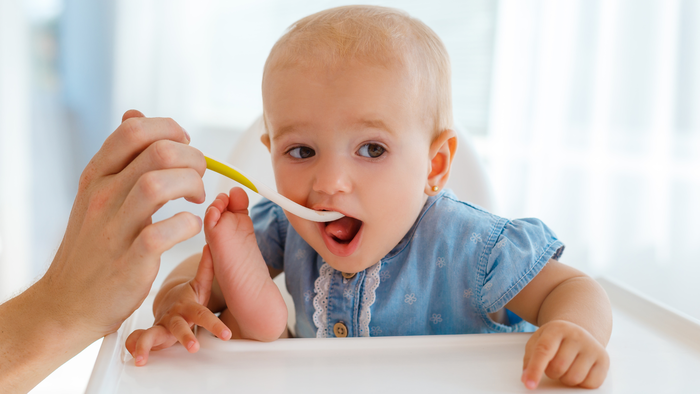
The best early foods include:
- Cooked rice, mashed lentils, and soft vegetables.
- Plain curd or yoghurt for natural probiotics.
- Traditional recipes like dal khichdi, lightly spiced and mashed.
How Gut Health Strengthens Immunity
The gut and immune system work closely together. Nearly 70% of immune cells are found in the digestive tract. Therefore, a healthy gut provides better protection against illness.Here’s how the gut supports immunity:
- Good bacteria teach immune cells to recognise harmful invaders.
- They create a protective wall along the intestines.
- They produce short-chain fatty acids that reduce inflammation.
Signs of a Healthy Toddler Gut
You can often sense a toddler’s gut health by simple day-to-day signs.Positive indicators include:
- Regular and comfortable bowel movements.
- Good appetite and energy levels.
- Clear skin and fewer digestive complaints.
- Fewer frequent colds or infections.
Simple Ways to Nurture Toddler Gut Health
You don’t need complex plans to build a strong gut foundation. Here are some daily habits that make a real difference:- Regular meal routines: Support natural digestion cycles.
- Hydration: Offer clean, boiled, and cooled water regularly.
- Seasonal foods: Local produce supports native gut bacteria.
- Fermented dishes: Regular intake of curd, kanji, or fermented dosa batter enhances microbial diversity.
- Outdoor activity: Sunlight and fresh air boost both mood and immunity.
Gut health in toddlers is not about quick results; it is about caring for them from the inside out. Every healthy meal, every laugh in the park, and every caring moment helps build a strong immune system.
Whether you’re pregnant, a new mom, or navigating postpartum, you don’t have to do it alone. Join our support group to connect, share, and support one another.
FAQs on The Tiny World Inside Toddlers: How Gut Health Shapes Immunity and Growth
- How can I tell if my toddler’s gut health is poor?
If a toddler frequently experiences bloating, irregular stools, a low appetite, frequent colds, or unexplained irritability, it may indicate that their gut microbiome is out of balance. Excessive consumption of processed food or antibiotics can cause this. A paediatric check-up and simple changes, like adding fibre and fermented foods, can help restore balance over time. - Can homemade fermented foods really help with toddler immunity?
Yes, traditional Indian fermented foods, such as curd, idli, dosa, and kanji, are rich in natural probiotics that support the growth of healthy gut bacteria. These foods enhance digestion, facilitate the body's nutrient absorption, and support the immune system. Adding them slowly and in age-appropriate ways can make a big difference in long-term health.