In this article:
Can Chandipura Virus Affect Newborns and Toddlers?
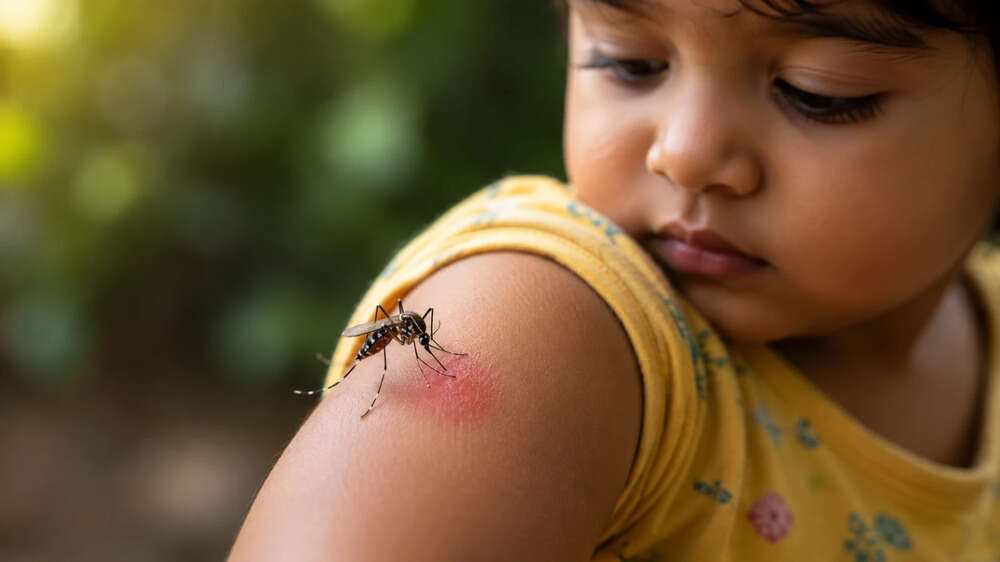
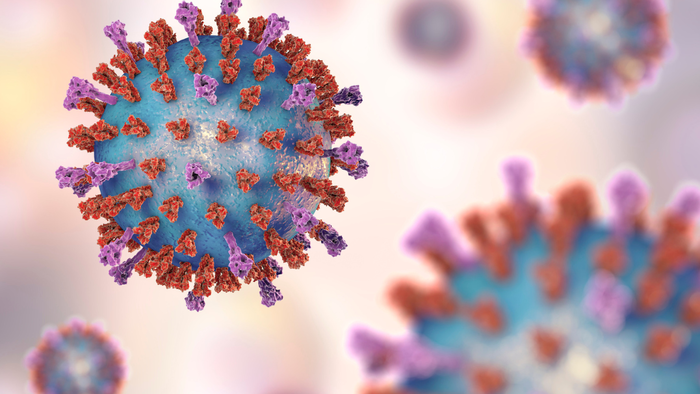
Yes, young children can be affected by Chandipura virus. However, available evidence does not establish newborns as a distinct high-risk group, and there is currently no evidence that CHPV routinely spreads from mother to baby during pregnancy or through ordinary human-to-human contact.Toddlers and other young children should nevertheless be protected carefully, as childhood infections can progress quickly. The identifies CHPV as an important cause of acute encephalitis, particularly in the paediatric age group.
Parents should seek urgent medical attention if a child develops:
- Sudden high fever
- Repeated vomiting or unusual drowsiness
- Seizures or abnormal movements
- Confusion, altered behaviour or loss of consciousness
Who Should Be Particularly Alert?
Families living in or travelling to areas reporting Chandipura activity should take extra precautions, especially those with babies, toddlers and young children. Pregnant women should also minimise exposure to biting insects, although current evidence does not establish CHPV as a congenital infection.There is no approved vaccine or specific antiviral treatment for Chandipura virus, so prevention remains central. guidance on vector-borne diseases supports measures that reduce insect contact.
How Can Families Protect Themselves?
Here are some ways:- Use appropriate insect repellents according to product instructions.
- Dress children in clothing that covers their arms and legs when practical.
- Use window and door screens and mosquito nets.
- Keep surroundings clean and reduce conditions that support insect breeding.
- Follow local health authorities’ advice during outbreaks.
FAQs On Chnadipura Virus Affecting Newborns and Toddlers
- Can Chandipura virus affect toddlers?
Yes. Chandipura virus predominantly affects children, and toddlers can be infected. Seek urgent medical care if a child develops sudden fever with neurological symptoms. - Can Chandipura virus spread from a pregnant woman to her baby?
There is currently no established evidence of routine mother-to-baby transmission of Chandipura virus. Pregnant women should nevertheless take precautions against insect bites, particularly in areas reporting cases.