In this article:
Newborn (Neonatal) Jaundice: An Overview
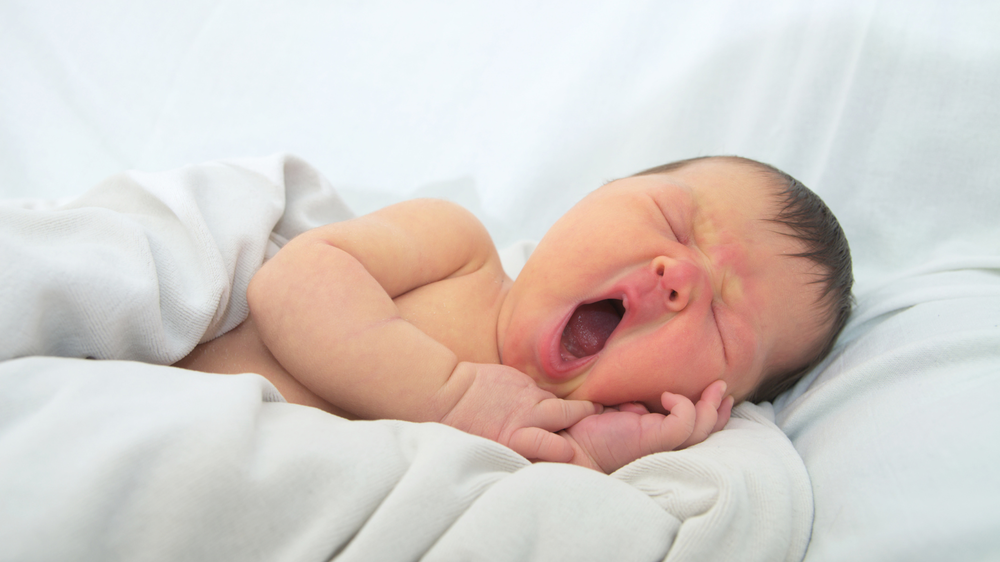
Jaundice is a common condition seen in newborns where their skin and eye colour may turn a little yellowish. This occurs as a result of increased accumulation of bilirubin, a compound that is produced when red blood cells die off. In India, nearly 60% to 80% of preterm babies suffer from neonatal jaundice, while only about 50% to 60% of full-term newborns do so.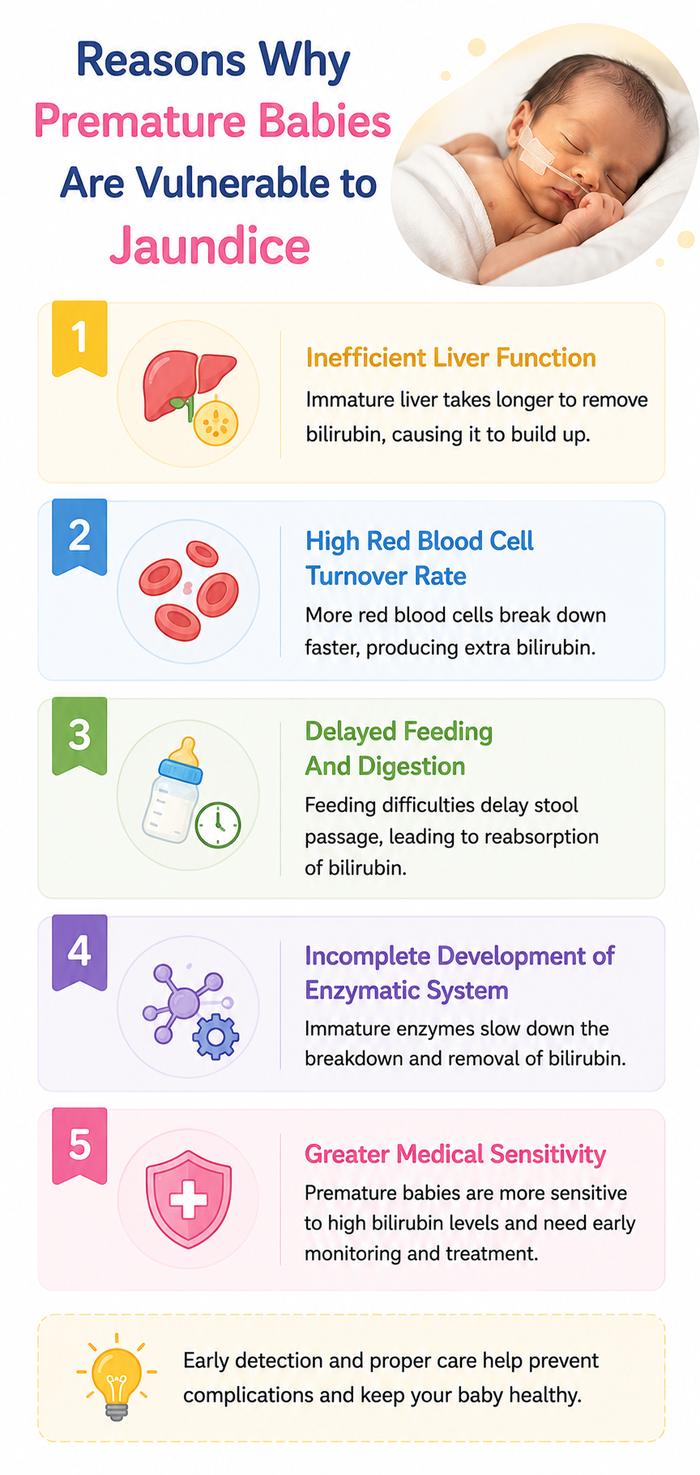
Reasons Why Premature Babies Are Vulnerable to Jaundice
Many natural causes increase the likelihood of preterm infants being diagnosed with jaundice. These include the following:Inefficient Liver Function
In premature infants, there is inefficiency in the functioning of their immature liver to remove bilirubin promptly. Bilirubin is the yellow substance produced by the breakdown of red blood cells. The liver of full-term babies quickly clears it from the blood. However, in preterm babies, the process takes some time, causing the accumulation of bilirubin.
High Red Blood Cell Turnover Rate
Preterm babies usually have an increased red blood cell turnover rate and short-lived red blood cells. Consequently, there is an increased production of bilirubin at a faster rate. However, the immature liver does not function effectively to get rid of excess bilirubin.
Delayed Feeding And Digestion
Feeding problems are common among premature babies because of an underdeveloped suck-swallow-reflex. It causes a delay in the passage of faeces. The bilirubin is excreted out of the body in the form of faeces, so delayed digestion means the reabsorption of bilirubin and worsening of the disease.
Incomplete Development of Enzymatic System
Enzymes are required for breaking down the bilirubin and excreting it from the body. In the case of premature babies, the enzymatic system is incomplete, and so the process is delayed.
Greater Medical Sensitivity
Premature babies are at risk from high bilirubin levels due to possible brain damage and other problems. Therefore, they need early detection and monitoring to treat the condition effectively.
Jaundice Symptoms That Parents Can Identify
There are certain things parents can look for. These include the following:- Yellowish appearance of the skin, especially the facial area
- Yellow discolouration in the white part of the eye
- Feeding time sleepiness
- Feeding difficulties
Management of Jaundice in Premature Babies
Appropriate management is critical for preventing the development of serious complications from jaundice among premature babies.- Monitoring: The condition in such babies is monitored through routine blood tests, which detect any elevation in bilirubin levels due to the premature state of the babies' organs.
- Phototherapy: This method is the most commonly used to manage high bilirubin levels. It involves placing babies under blue lights that break down bilirubin, allowing its elimination in stools and urine.
- Feeding: Frequent feeding, whether breastfeeding or tube feeding, is also recommended to facilitate the process of removing bilirubin from the body.
- Advanced Management: Where necessary, more advanced methods, including exchange transfusion, might be necessary. This involves replacing the baby’s blood in order to quickly lower the bilirubin levels.
How Can Parents Help a Newborn Recover
Parents may create an environment that fosters recovery:- Feeding the infant according to advice
- Ensuring warmth and comfort
- Noticing skin and eye colour in natural light
- Monitoring stool and urine output
- Staying in touch with the paediatrician for regular guidance, monitoring, and follow-up
The most useful step is early follow-up after discharge, especially if jaundice is spreading, the baby is sleepy, or feeding is weak. Ask the paediatrician about bilirubin checks and whether light therapy is needed, because prompt treatment lowers the risk of complications and helps your baby recover safely.
Whether you’re pregnant, a new mom, or navigating postpartum, you don’t have to do it alone. Join our support group to connect, share, and support one another.
FAQs on Premature Birth and Jaundice: Why Are Premature Babies More Likely to Develop It?
- Is jaundice a dangerous condition for premature babies?
Yes, jaundice can be dangerous for premature babies if the bilirubin levels rise too high, because their immature liver clears it very slowly and their brains are more vulnerable. However, with early detection and close monitoring, serious complications are usually preventable. - How long does jaundice persist in premature babies?
In premature babies, jaundice can last up to 3 weeks because their livers clear bilirubin more slowly than full-term babies'. If it persists beyond that or worsens, consult a paediatrician. - Does breastfeeding help treat jaundice quickly?
Yes, breastfeeding usually helps by improving hydration and bowel movements, which speeds bilirubin removal, though some babies may still need extra feeds or phototherapy.