In this article:
Safe Pressure Points for Pregnancy Relief
Although these methods are simple enough to perform at home with assistance, utilising the correct anatomical locations is essential.1. The pericardium 6 (P6) point for nausea
You can settle a restless stomach and ease early morning sickness by locating the P6 point, which is situated on your inner wrist. Measure three finger-widths down from the base of your palm, right between the two prominent vertical tendons at the centre of your arm. Apply firm, steady pressure with your opposite thumb for two to three minutes while taking deep breaths.
2. The urinary bladder 60 (UB60) point for upper back soreness
Help relieve strain on your upper spine by locating the UB60 point on your foot. This point sits in the hollow depression directly between the outer ankle bone and the Achilles tendon. Applying soft, circular friction to this spot helps relax tense back muscles and improves lower-limb circulation.
3. The kidney 1 (KI1) point for exhaustion and sleep
To help soothe a racing mind and promote restful sleep, find the KI1 point at the sole of your foot. This lies right under the slight depression that forms on your sole when you curl your toes inward. Gentle, warm thumb pressure over this area lowers physical anxiety and stabilises your body's grounding energy after a tiring day.
Precautions and Contraindications
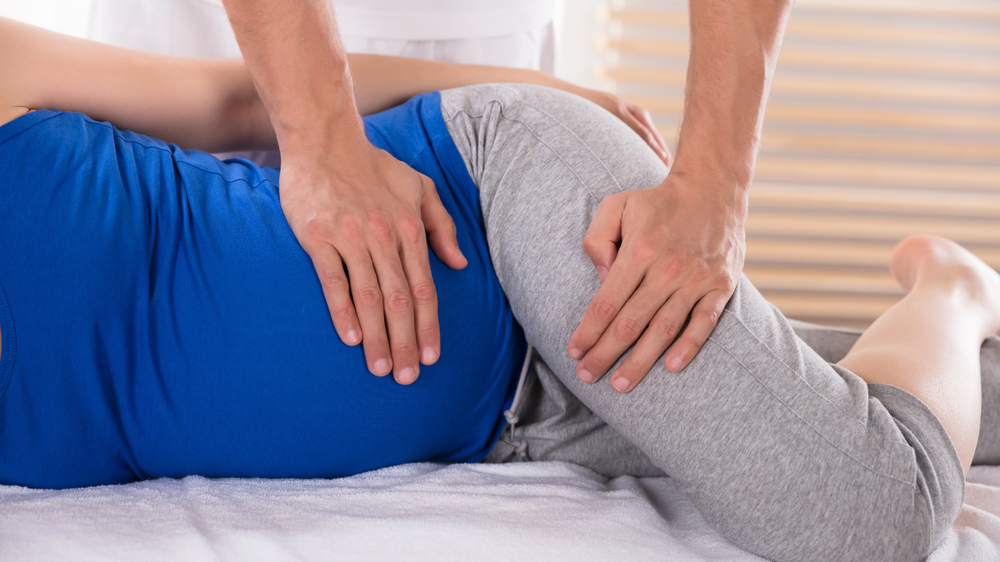
Expectant mothers must avoid certain high-risk pressure points, such as the webbed space between the thumb and index finger (LI4) or the area above the inner ankle (SP6), (BL60 and BL67) near the ankle and little toe, (GB21) on the shoulder, and regions over the lower abdomen and sacrum, as these zones are clinically known to stimulate uterine contractions. Always allow only soft-to-moderate pressure, and never massage a spot that feels bruised, swollen or varicose. It is advisable to begin these practices under the guidance of an authorised practitioner until you have learnt to carry them out safely, without supervision.Safety Tips Before You Try Acupressure or Reflexology
Always use light-to-moderate pressure. In case you feel pain, stop immediately. Avoid the abdomen, inner ankle and points listed above unless a qualified practitioner is guiding you. Choose a therapist experienced in prenatal care and inform them of your due date and any pregnancy-related complications and concurrent ailments (if any). Seek medical help immediately if you notice contractions, bleeding or unusual discomfort.Acupressure and reflexology are supportive tools which cannot replace medical advice. They may be used alongside a doctor's guidance to ease mild discomforts that are common during pregnancy, such as backaches, nausea, and swollen feet.
Whether you’re pregnant, a new mom, or navigating postpartum, you don’t have to do it alone. Join our support group to connect, share, and support one another.
FAQs on Acupressure and Reflexology for Pregnancy Symptoms: Safe Pressure Points for Nausea and Back Pain
- Is acupressure safe in the first trimester?
Gentle acupressure at points like P6 is generally considered safe during the first trimester. Points linked to uterine stimulation, such as LI4 and SP6, should be avoided, especially in the first trimester. - Can reflexology induce labour early?
There is no strong scientific evidence that reflexology causes preterm labour in a healthy pregnancy, though many therapists avoid certain foot zones as a precaution until the pregnancy reaches term.