In this article:
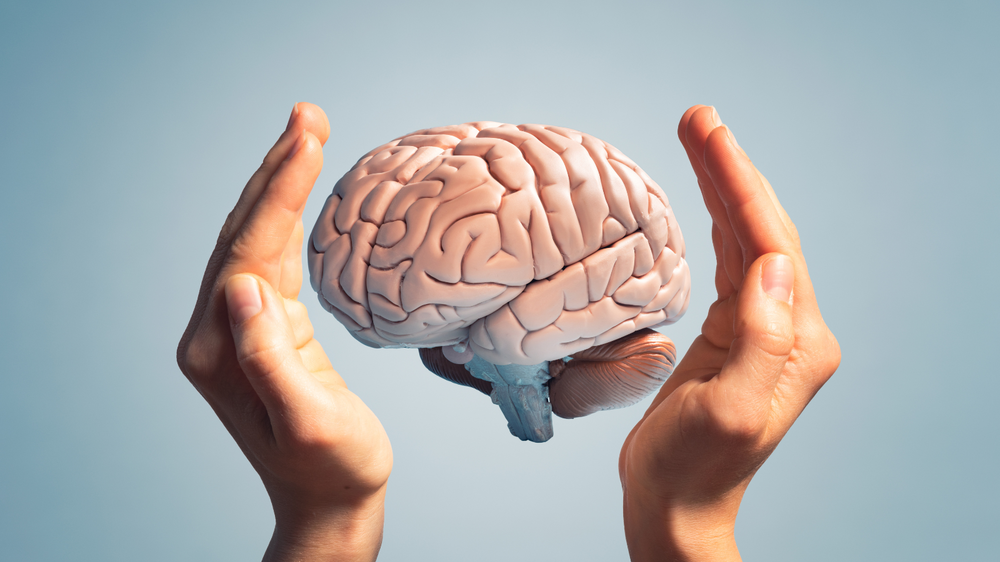
Recent research points to the brain’s regulation of hormones as a major driver of PCOS. The brain communicates with the ovaries, adrenal glands, pancreas, and fat tissue through a complex network of neural and hormonal signals.
When this communication becomes imbalanced, the result can be the hallmark features of PCOS.
Let’s discuss how PCOS, as a neuro-hormonal condition, can change how we diagnose, manage, and treat it, leading to better outcomes for patients.
What are the Signs That Point to Brain-Driven Hormonal Imbalance?
Some features of PCOS may stem from neuro-hormonal dysregulation, not just ovarian dysfunction:
- Irregular menstrual cycles that do not improve with ovarian-targeted treatments alone
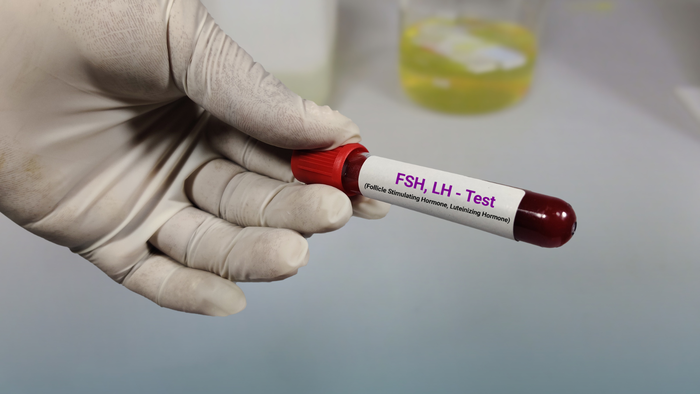
- High LH levels relative to FSH
- Insulin resistance alongside reproductive symptoms
- Strong stress responses
- Family history of hormonal or metabolic disorders
How the Brain Directs Hormones and Shapes PCOS?
Your brain and reproductive system stay in constant communication through a finely balanced hormonal network. A small but powerful area of the brain called the hypothalamus acts as the control centre. It releases the hormone GnRH (Gonadotropin-Releasing Hormone) in rhythmic pulses. These pulses signal the pituitary gland to release two key hormones, FSH and LH, which guide the ovaries to mature eggs and produce hormones such as oestrogen and progesterone. When this system works smoothly, ovulation occurs regularly, and hormone levels stay balanced.
In women with PCOS, this signalling rhythm often changes. Research shows that the hypothalamus releases GnRH pulses more rapidly or irregularly. This altered rhythm causes the pituitary gland to produce more LH than FSH. Higher LH levels push the ovaries to make excess androgens, or male-type hormones. These androgens interfere with normal egg development and disrupt ovulation. Such a pattern suggests that PCOS may start with changes in the brain’s hormone signals, long before the ovaries show visible symptoms.
What Research Reveals About Neuro-Hormonal Causes of PCOS?
Scientists have identified several ways in which the brain’s control of hormones may contribute to PCOS:
- Altered GnRH Release Patterns: The brain sends too many or mistimed pulses of GnRH, upsetting the balance of reproductive hormones.
- Insulin and Leptin Signalling: The brain responds to insulin and signals from body fat. Insulin resistance, common in PCOS, can affect brain centres that regulate reproduction.
- Stress and the HPA Axis: Chronic stress activates the hypothalamic-pituitary-adrenal (HPA) axis, which can interfere with reproductive hormone balance.
Does the Brain drive PCOS?
In short, yes! Science increasingly suggests it can be. Research shows that disrupted signalling between the brain and hormones may play a key role in PCOS, influencing ovulation, androgen levels, and menstrual regularity. It ultimately means that PCOS is not only an ovarian condition but also a disorder of neuro-hormonal regulation.
If brain-hormone communication affects PCOS, then supporting this system becomes essential. Following the right lifestyle strategies can nurture brain health and hormonal balance, thereby improving symptoms.
How to Support Healthy Brain-Hormone Signalling?
Healthy communication between the brain and hormones depends on daily habits that support the nervous and endocrine systems. Small, consistent changes can strengthen neuro-hormonal balance and improve reproductive health, particularly in conditions such as PCOS.
Prioritise Good Sleep: The brain regulates key hormones during deep sleep, including those that influence ovulation and metabolic balance. Irregular sleep patterns can disturb the hypothalamus and pituitary gland, leading to disrupted hormone signals. Maintaining a stable sleep routine supports natural hormonal rhythms and overall brain health.
Tip: Go to bed and wake up at the same time each day, even on weekends, to reinforce your body’s internal clock.
Manage Daily Stress: Chronic stress activates hormonal pathways that interfere with normal brain signalling. Prolonged stress can affect the release of reproductive hormones and worsen hormonal imbalance. Regular stress management helps calm the nervous system and supports more transparent communication between the brain and ovaries.
Tip: Spend at least 10 minutes daily on calming activities such as deep breathing, stretching, or quiet walks.
Maintain Steady Blood Sugar Levels: The brain closely monitors blood sugar levels to regulate hormone release. Sudden glucose spikes and crashes can disrupt neuro-hormonal signalling and contribute to insulin resistance. Balanced meals eaten at regular intervals help stabilise blood sugar and support healthy hormone communication.
Tip: Combine protein, fibre, and healthy fats at each meal to slow glucose absorption and maintain steady energy levels.
Stay Physically Active: Regular physical activity supports hormone balance by improving insulin sensitivity and regulating the nervous system. Gentle, consistent movement allows the brain to regulate hormones without triggering stress responses that can disrupt ovulation.
Tip: Aim for moderate activities such as walking, swimming, or yoga most days of the week.
Note: Always consult a qualified healthcare provider before making changes to your health routine, especially if you have a medical condition or are undergoing fertility or hormonal treatment.
PCOS is more than a condition of the ovaries. It reflects a complex interplay between the brain, hormones, metabolism, and stress responses. Knowing that neuro-hormonal signalling plays a central role shifts how we understand and manage PCOS. Your body’s hormone network is a conversation, and when the brain, pituitary, and ovaries talk clearly and in harmony, reproductive health thrives.
You’re not alone in your journey when trying to conceive. Join our supportive community to connect with others, share experiences, and find encouragement every step of the way.
FAQs on What Does the Brain Have to Do With PCOS? Understanding the Science Behind It
- Can stress really affect PCOS?
Yes. Stress triggers hormonal pathways that influence reproductive hormones and metabolic balance. - Does PCOS start in the brain?
Research suggests that disruptions in brain hormonal signalling contribute to PCOS, not just ovarian problems. - Can lifestyle changes improve neuro-hormonal balance?
Yes. Diet, exercise, sleep, and stress management can support healthier hormone signalling.