In this article:
Why Is Egg Activation Important for Fertilisation?
Once the sperm enters your egg, another important process begins. Your egg needs to become activated before it can develop into an embryo. Without this step, fertilisation cannot continue successfully.A study published in the journal Current Topics in Developmental Biology explains that egg activation acts like a natural "start" signal for your egg. It helps the egg complete its final stage of development, prevents additional sperm from entering, and switches on the proteins and genetic material needed for early embryo growth.
Once these changes occur, the fertilised egg can begin dividing and developing into an embryo.
What Is Calcium Ionophore Activation?
Calcium ionophore activation is an additional step that may be used during your IVF treatment. It briefly exposes the egg to a special solution that mimics the natural calcium rise needed to activate the egg and start the fertilisation process. You may also hear your fertility specialist call it artificial oocyte activation (AOA).
Why Do Some IVF Patients Need Calcium Ionophore Activation?
Most IVF patients do not need calcium ionophore activation.However, your fertility specialist may recommend calcium ionophore activation if:
- You had total fertilisation failure (TFF) in a previous IVF or ICSI cycle
- Very few of your eggs fertilised after ICSI
- You have severe male factor infertility, where the sperm may not trigger normal egg activation
- There is a suspected egg activation deficiency, meaning the egg does not respond as expected after sperm injection
- Your fertility specialist believes you may benefit based on your medical history and previous IVF outcomes
How Is Calcium Ionophore Activation Performed During IVF?
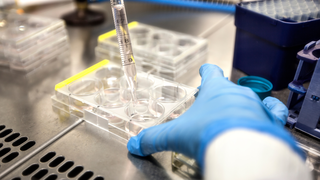
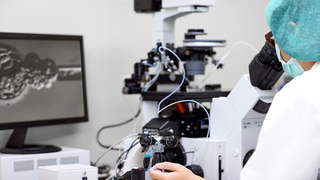
The procedure is performed in the IVF laboratory immediately after ICSI and involves the following steps:- A single sperm is injected into your egg using ICSI
- Your egg is briefly placed in a special calcium ionophore solution
- The egg is gently washed to remove the solution
- The egg is returned to the incubator for further development
- The embryologist checks the egg for successful fertilisation and monitors embryo growth over the next few days
What Are the Benefits of Calcium Ionophore Activation?
When calcium ionophore activation is recommended, it may provide several potential benefits during your IVF treatment, including:- May help the egg activate successfully after ICSI
- May improve the chances of successful fertilisation
- May support healthy early embryo development
- May increase the number of embryos available for transfer or freezing
- May improve the overall outcome of IVF in appropriate cases
Risks or Limitations of Calcium Ionophore Activation
Although calcium ionophore activation is considered safe in selected cases, it has some risks and limitations.These include:
- It creates an artificial calcium signal, which may not fully replicate the egg's natural activation process.
- It may not improve IVF outcomes if fertilisation problems are caused by factors other than egg activation.
- Long-term safety data are still limited, although current studies have not shown an increased risk of birth defects.
- Like any IVF add-on, its benefits may vary from one patient to another, and it does not guarantee pregnancy.
Who Is Not Likely to Need Calcium Ionophore Activation?
Most women undergoing IVF may not need calcium ionophore activation. Your fertility specialist is unlikely to recommend it if:- This is your first IVF or ICSI cycle
- Your eggs have fertilised normally in the past
- There is no evidence of an egg activation problem
- Your fertility challenges are related to other factors rather than egg activation
IVF can feel overwhelming, but you’re not alone. Join our IVF support group, where stories, guidance, and strength are shared daily.
FAQs on Calcium Ionophore Activation in IVF: Who Needs It and Why?
- Is calcium ionophore activation painful?
No. Calcium ionophore activation is performed on the egg in the IVF laboratory after ICSI. It does not involve any additional procedure or discomfort for you. - Does calcium ionophore activation affect the baby?
Current research has not shown an increased risk of birth defects in babies born after calcium ionophore activation. However, researchers continue to study its long-term safety. - Does calcium ionophore activation increase the chance of twins?
No. This technique helps with egg activation and fertilisation. The chance of twins mainly depends on the number of embryos transferred.