Optimising Your Exercise Routine
Staying active is great for your health, but the type and intensity of your exercise matter when you’re trying to conceive. This is how to find the right balance:- Choose fertility-friendly exercises: Activities like walking, swimming, and yoga are excellent choices. They keep you active, improve blood flow to your reproductive organs, and reduce stress without overloading your body.
- Reduce high-intensity cardio: If you’re into long-distance running or endurance training, consider cutting back. These activities can lower the hormones needed for ovulation and make it harder to conceive.
- Include light strength training: Moderate weight training can support your overall health. But avoid overexertion, as excessive muscle strain can negatively affect fertility.
- Prioritise rest and recovery: Give your body time to recover if you feel fatigued after workouts. Rest is crucial for maintaining hormonal balance.
Maintaining a Healthy Weight
Your body weight plays a big role in fertility. Both very low and very high body fat percentages can cause hormonal imbalances that make conceiving harder. As an athlete, you might naturally lean towards lower body fat. But keeping your weight in a healthy range is important.- Aim for a balanced BMI: A BMI below 18.5 can suppress ovulation, so try to maintain a healthy weight that supports your reproductive health.
- Avoid extreme weight loss: Rapid or excessive weight loss from intense training or restrictive diets can disrupt your menstrual cycle. Focus on gradual, sustainable changes if needed.
Focusing on Nutrition
As an athlete, you might be used to specific diets to improve performance. But you need to make sure you’re getting the right nutrients when trying to conceive.- Include healthy fats: Foods like avocados, nuts, and olive oil provide important fats that support hormone production.
- Choose lean proteins: Include lean meats, fish, eggs, and beans to give your body the building blocks it needs for reproductive health.
- Choose complex carbs: Brown rice, quinoa, and oats provide steady energy and help maintain stable blood sugar levels, which support hormonal balance.
- Eat plenty of fruits and vegetables: A variety of colourful produce makes sure you’re getting vitamins and minerals like folate.
- Check for deficiencies: Make sure you’re getting enough vitamin D, iron, and calcium, as deficiencies can affect ovulation.
Managing Stress Effectively
Training hard and trying to conceive can both be stressful, and too much stress can disrupt your hormones. Finding ways to relax and care for your mental well being is just as important as physical health when you’re trying to get pregnant.- Try relaxation techniques: Deep breathing exercises, meditation, or gentle yoga can help lower stress levels and support hormonal balance.
- Engage in hobbies: Spend time doing activities you enjoy outside of sports, like reading, painting, or gardening, to give your mind a break.
- Get enough sleep: Make sure you’re getting 7 to 9 hours of good-quality sleep each night. Sleep is important for regulating hormones and keeping your body in balance.
Monitoring Your Menstrual Health
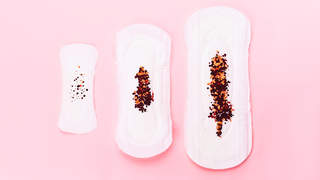
Your menstrual cycle is a window into your reproductive health. Tracking your periods can help you detect any issues early and take action if needed. Use a journal or app to note the start and length of your cycles. Regular periods (every 21 to 35 days) usually indicate ovulation is happening.If your periods are very irregular or have stopped, it could be a sign that your training is affecting your fertility. Reach out to your doctor if you notice any changes in your cycle.
Seeking Professional Support
Don’t hesitate to seek medical help if you’re struggling to conceive. A fertility specialist can assess your health and provide proper advice to improve your chances of pregnancy. If you’ve been trying to conceive for a year without success (or six months if you’re over 35), see a specialist. They can test your hormone levels and check for conditions like PCOS.Trying to conceive as an athlete comes with its own set of challenges, but you can improve your chances with the right approach. You can still stay active, just try to focus more on what helps your fertility rather than only aiming for peak performance. And if you ever feel unsure, talking to a healthcare professional can offer the guidance you need.
FAQs on Fertility Tips for Women Athletes Trying to Conceive
- What kind of exercises are best when trying to conceive?
Low-impact activities like walking, swimming, yoga, and light strength training are ideal. They support blood flow, reduce stress, and are gentle on your reproductive system. - Can strict athletic diets harm fertility?
Yes. Diets that are too restrictive may cause nutrient deficiencies. Fertility requires enough healthy fats, proteins, and vitamins like folate, iron, and vitamin D.